



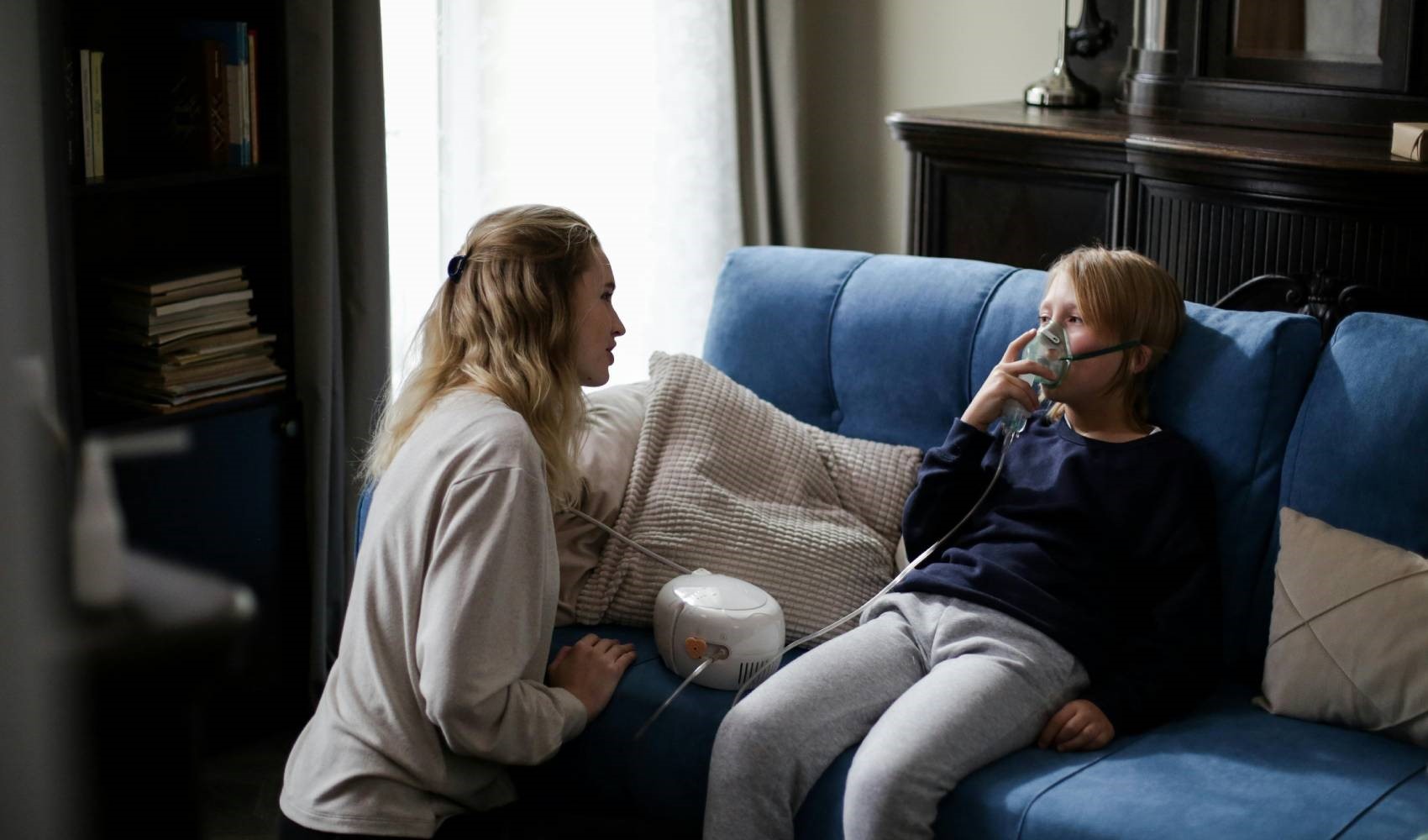
In childhood, it is a significant cause of school absenteeism, emergency room visits, and hospitalizations. Although the exact cause has not been determined, it is thought to be a combination of environmental exposures and natural biological and genetic predispositions. Cigarette smoke, air pollution, cold and dry air, strong odors, and obesity are among the factors that trigger asthma attacks. Specialist Dr. Gülnar Aliyeva from the Pediatric Allergy Department of Memorial Health Group Medstar Antalya Hospital provided information about asthma in children and its treatment.
IF THERE IS AN ALLERGIC DISEASE IN FIRST-DEGREE RELATIVES
In children, symptoms of asthma include coughing, wheezing, shortness of breath or difficulty breathing, restricted activity, or getting tired more easily. Having an allergic disease in first-degree relatives can increase the risk of asthma. Asthma is suspected when the cough is dry, recurrent, or persistent, occurs more frequently at night, or arises as a result of exercise, laughing, crying, or exposure to cigarette smoke. Similarly, wheezing that occurs during sleep or is triggered by activity, crying, laughing, cigarette smoke, or air pollution also points to asthma. Improvement in the patient's symptoms over a 2-3 month period with low-dose inhaled corticosteroid treatment supports an asthma diagnosis.

IT CAN ALSO BE SEEN BETWEEN THE AGES OF 0-2
In children over 5 years old, asthma diagnostic criteria are similar to those for adult patients. In children under 5, especially between the ages of 0-2, fluctuating respiratory symptoms such as wheezing and coughing can also be seen due to non-asthma causes. Furthermore, airway obstruction and medication response cannot be routinely measured in children in this age group. Symptoms that suggest asthma include: coughing, wheezing, or difficulty breathing during an upper respiratory tract infection that lasts longer than 10 days; having more than three attacks per year or having severe attacks and/or worsening at night; having symptoms of coughing, wheezing, or shortness of breath between attacks; getting tired more easily than peers; or having atopic dermatitis, food allergies, or a family history of asthma.
PEOPLE WITH A PREDISPOSITION TO ALLERGIES ARE IN THE RISK GROUP
Trying regular use of inhaled corticosteroids and, if necessary, short-acting beta2-agonists (SABA) for at least 2-3 months can be a guide for an asthma diagnosis. In children over 5 years old, a pulmonary function test is used for asthma diagnosis. Improvement in symptoms during treatment and worsening of the patient's condition after stopping treatment supports an asthma diagnosis. Sensitivity to allergens can be measured with skin prick tests and allergen-specific IgE tests. Most children with asthma over the age of three have allergic sensitization, but its absence does not rule out an asthma diagnosis. The most important parameter predicting the development of chronic asthma has been found to be allergen sensitivity. Radiological examinations are rarely necessary. If the asthma diagnosis is in doubt, they can be used to rule out underlying structural abnormalities, chronic infections, foreign bodies, and other diseases in the differential diagnosis.
THERE MAY BE GROWTH AND DEVELOPMENTAL RETARDATION IN THE CHILD
Before confirming an asthma diagnosis, it is important to consider and rule out other causes of wheezing, coughing, and shortness of breath. Growth and developmental retardation, symptoms starting in the neonatal period or very early, vomiting associated with respiratory symptoms, persistent wheezing, lack of response to asthma treatments, absence of symptoms with typical triggers (e.g., viral upper respiratory tract infections), presence of localized lung or cardiovascular symptoms, clubbing of fingers, or hypoxemia (low oxygen levels in the blood) outside of viral infections are conditions that should be considered in the diagnosis other than asthma.

TREATMENT IS PLANNED ACCORDING TO AGE GROUPS
As in other age groups, the goal of asthma management in young children is to maintain normal activity by ensuring symptom control, reduce the risk of acute exacerbations, maintain normal lung function and development, and minimize medication side effects. Treatment in children is organized according to age group: under 5-6 years, 6-11 years, and the adolescent age group. Treatment is planned at the time of initial diagnosis based on the severity of the asthma, and for children already diagnosed and receiving treatment, based on the level of asthma control, taking treatment steps into account. For asthma patients, environmental factors such as smoking, air pollution, aeroallergen sensitivity precautions, and the annual flu vaccine should always be considered.
News Source: 12punto









