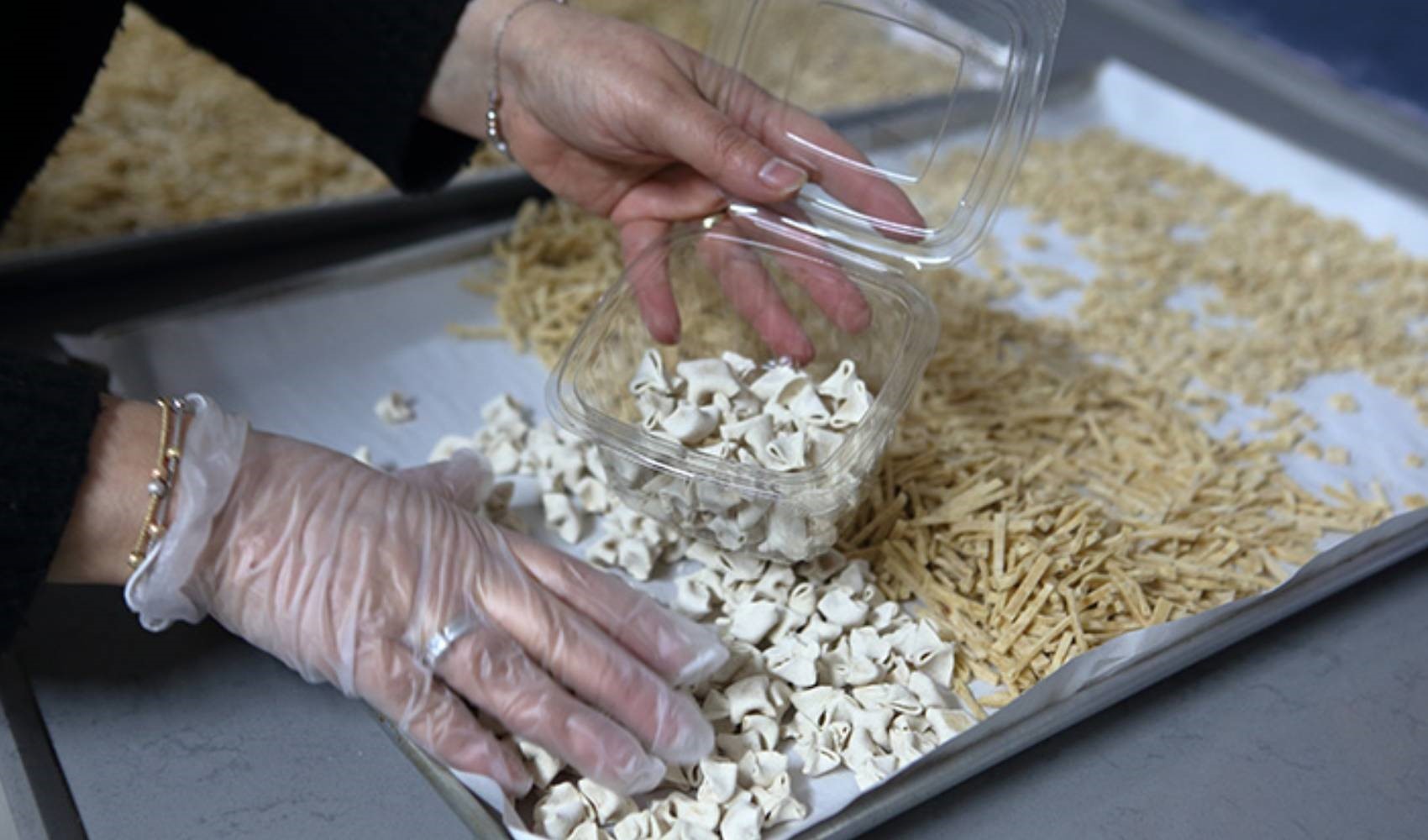
Celiac disease occurs as a result of an allergic reaction that the body develops in the small intestine against a protein called gluten, which is found in wheat, barley, oats, and rye. Experts state that in individuals without a genetic predisposition, consuming only excessive amounts of gluten-containing foods will not lead to celiac disease. Celiac is a genetic disease, and it is known that the risk increases by up to 15 percent in individuals who have first-degree relatives with this condition. This disease, which is more frequently encountered in twins, may not be seen in every individual with a genetic predisposition; environmental factors, especially the amount of gluten-containing food a person consumes, play an important role in the development of the disease. Long-term consumption of gluten-containing foods can, over time, cause celiac disease to emerge.

ALSO PRESENT IN READY-MADE FOODS AND PROCESSED PRODUCTS
Emphasizing that a gluten-free dietary habit should be adopted against celiac disease,
Specialist Dr. Adnan Kırcı stated, “Gluten is not only found in wheat, barley, oats, and rye. Today, it is also encountered in industrial-type processed food products. Gluten is present in packaged foods, ready-made yogurt, ready-made tomato paste, chocolate, seasoned nuts, all sauces, and processed meat products.
There is no problem with the consumption of plant-based products, legumes, white and red meat, corn, rice, and potatoes. Instead of pasta or bulgur pilaf, rice pilaf can be consumed, provided that attention is paid to its calorie content,” he said.
MEDITERRANEAN-STYLE DIET AGAINST CELIAC DISEASE
Pointing out that celiac disease can be seen at any age, the expert said, “In Turkey, celiac disease is seen at an average rate of 1 percent. It is accepted that for every 1 identified case, there are 7 hidden cases. It appears twice as often in women as in men. To make a diagnosis, the patient's clinical complaints and blood tests are examined. If there is a problem with these, a biopsy must be taken from the small intestine and duodenum during an endoscopy and examined in pathology. In infants and young children, it manifests itself with problems such as abdominal pain, diarrhea, vomiting, and failure to gain weight. In adults, symptoms include gas, bloating, diarrhea, constipation in a group of patients, liver test abnormalities, early-onset osteoporosis, tooth decay, mouth ulcers, and iron and vitamin deficiencies, as well as fatigue. The main treatment for this disease is diet. Here, dietary habits need to be changed. It is necessary to stay away from gluten-containing substances for life. A Mediterranean-style diet, consuming products such as fresh vegetables, fruits, and fish, reduces the risk of celiac disease.”
GET EXAMINED BY A SPECIALIST PHYSICIAN
Specialist Dr. Kırcı continued: “There are also different types of celiac. In the latent celiac type, although the patient has a genetic background, there are no clinical complaints. Blood tests may come back negative. In the type called silent celiac, although there is positivity in blood tests, there may be no clinical complaints. Over time, this atypical celiac can increase its effects and complaints. For people who have vitamin deficiencies due to celiac, supplements of vitamin D, iron, vitamin B12, zinc, magnesium, and calcium can be given. Since there is weakness and a decrease in performance in the musculoskeletal system due to the disease, exercise appropriate for the person's age and weight is recommended after diagnosis. Those who suspect they have celiac should be examined by a specialist physician without delay.”
News Source: 12punto