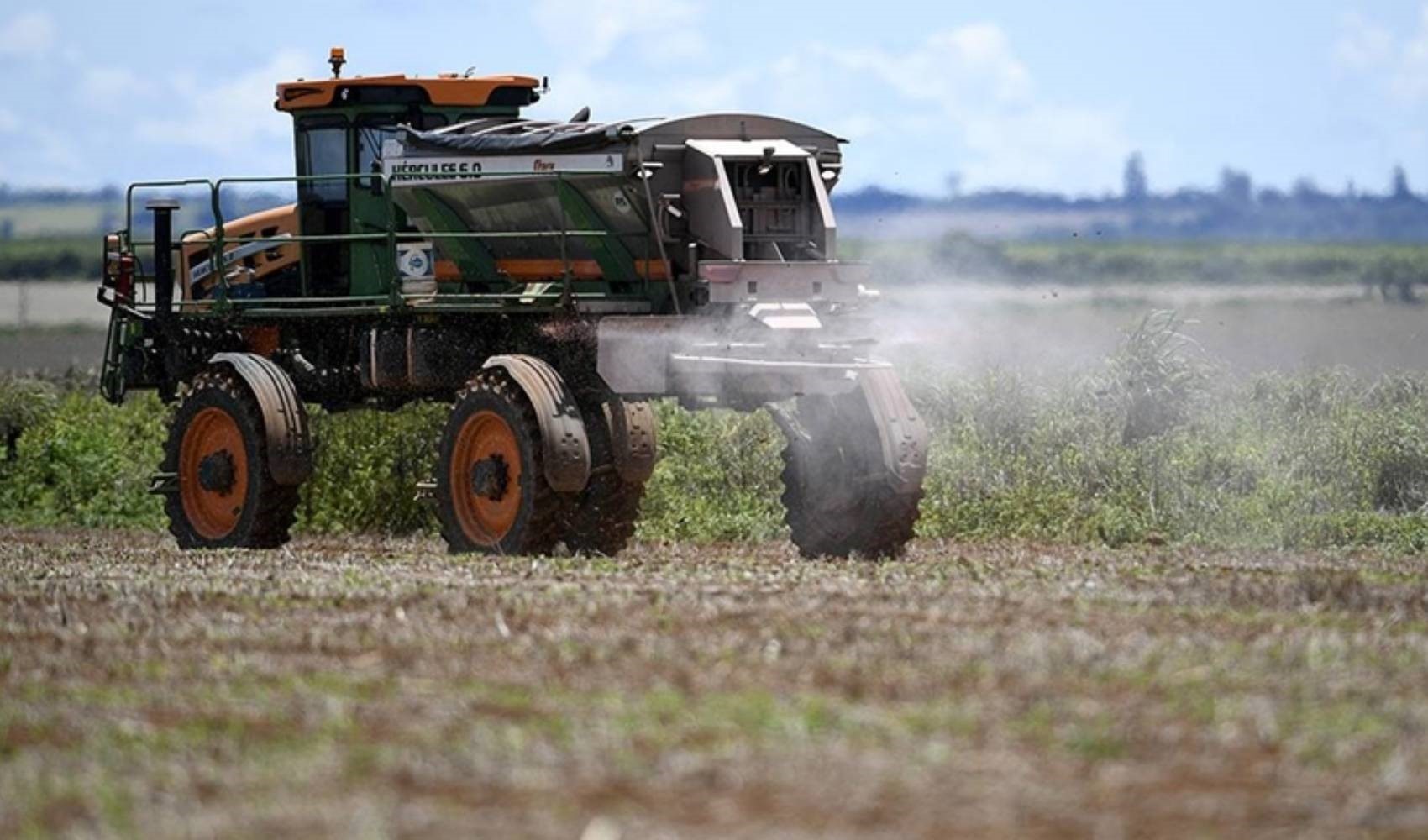
Pesticides are chemical substances used in agriculture to combat weeds, insects, and fungi. However, experts point out that pesticides can be used not only in agricultural products but also in cotton, flower production, textile products, and even diapers.
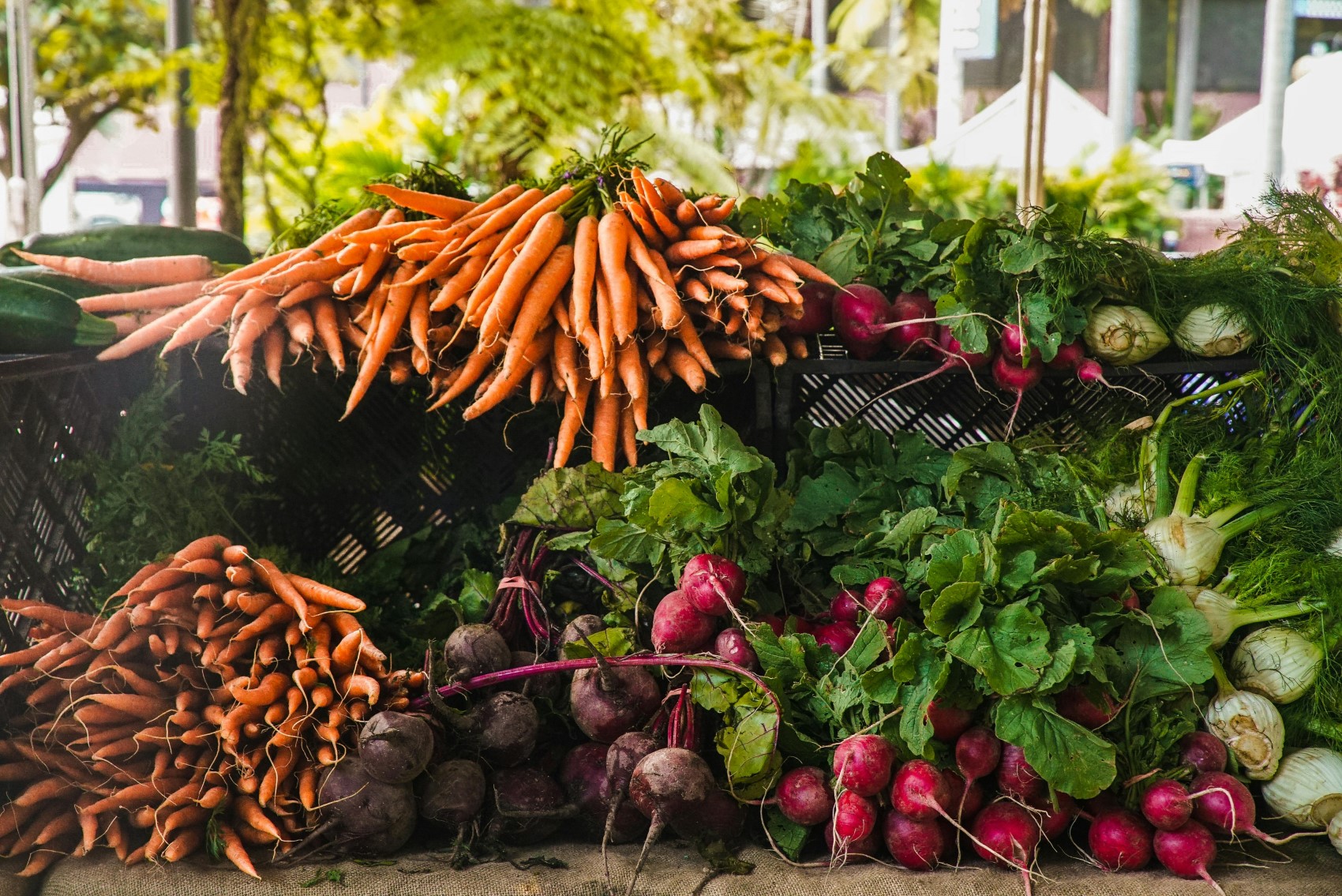
WHAT IS THE EFFECT OF VINEGAR AND BAKING SODA?
Although vinegar and baking soda water are frequently used to clean pesticide residues on fruits and vegetables, experts state that these methods are not always effective. Noting that pesticides have different active ingredients and that some of these substances can be cleaned only with water while others can be cleaned with baking soda, experts say, "There is no definitive evidence that vinegar cleans pesticides; in some cases, vinegar may even make these substances more active." It is stated that pesticides such as glyphosate can penetrate into fruits and vegetables, and even peeling may not be sufficient.
PESTICIDE REGULATIONS UPDATED
The Ministry of Agriculture and Forestry introduced new regulations regarding pesticide use and residue limits as of 2025. With this change, maximum residue limits for both domestic production and imported foods were redefined. Limits on fresh fruits, vegetables, legumes, cereals, and herbal products were updated in line with national and international scientific data, thereby ensuring compliance with European Union standards.
Although there is no definitive solution for the complete elimination of pesticides, experts recommend washing vegetables and fruits with plenty of water and peeling them if possible. However, it is emphasized that production and inspection processes need to be further improved to reduce the effects of pesticides.

WHICH FOODS HAVE THE HIGHEST PESTICIDE LEVELS?
Pesticide residues are traces left on fruits and vegetables by chemical substances used in agriculture and are a significant source of concern regarding healthy eating. According to research conducted by the Environmental Working Group in 2021, strawberries, spinach, kale, nectarines, apples, grapes, cherries, peaches, and pears are among the foods containing the most pesticides in Turkey. These products stand out as agricultural products where pesticides are used intensively.
In addition, another assessment conducted in 2023 revealed that foods such as strawberries, spinach, kale, peaches, pears, nectarines, apples, grapes, peppers, cherries, blueberries, and green beans are on the "Dirty Dozen" list. It is stated that these products carry a high risk in terms of pesticide residues.
To avoid the potential health effects of pesticide residues, experts recommend washing these foods thoroughly and peeling them if possible. Furthermore, choosing organic products stands out as another way to reduce pesticide risk. Preventing the excessive consumption of foods containing pesticides will be an important step toward a healthier diet.
News Source: 12punto