



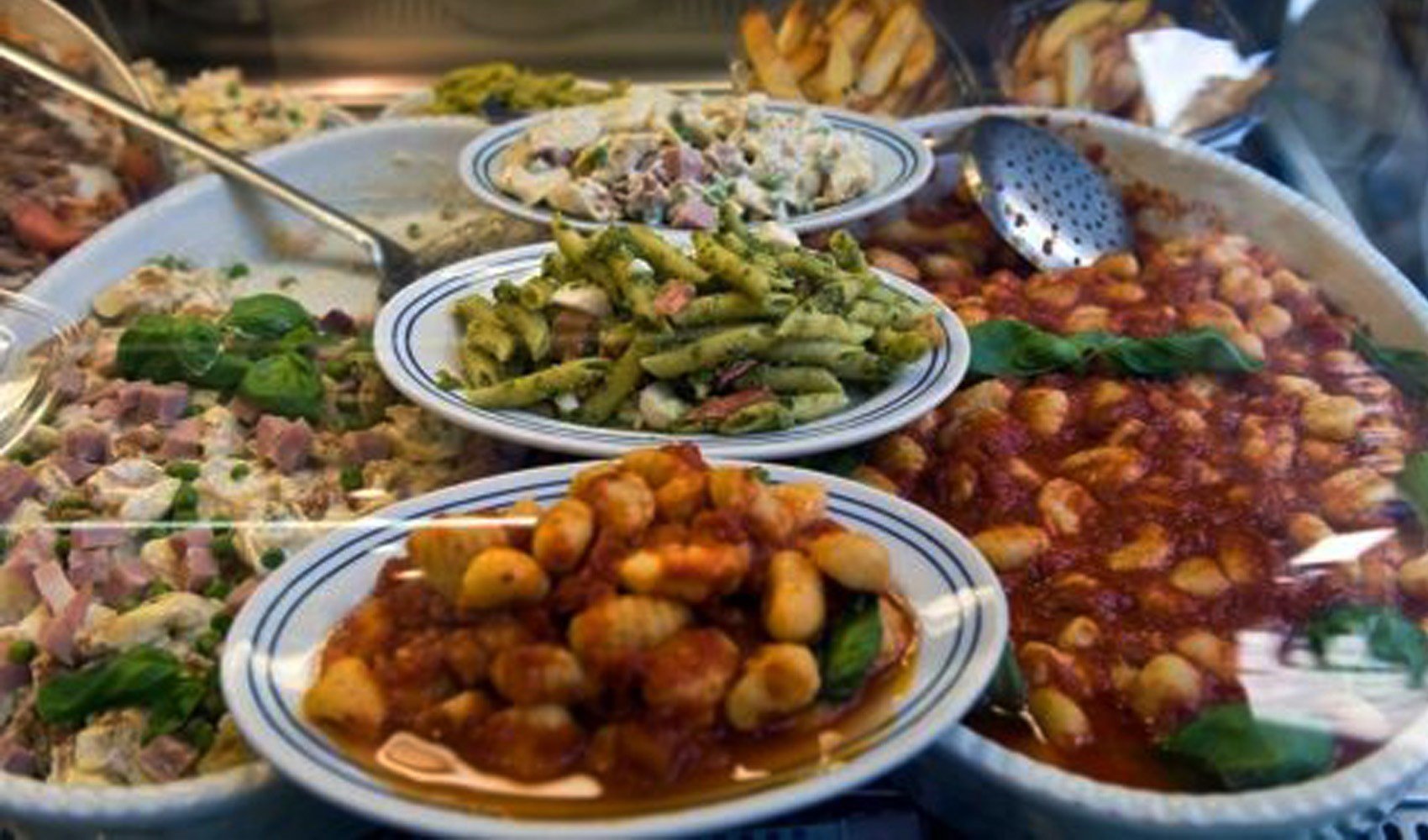
The month of Ramadan will begin on March 11 this year. The first suhoor will be held on the night connecting Sunday, March 10, to March 11. Due to the changing food consumption habits during Ramadan, Specialist Dietitian İlayda Kuzucu stated that a balance is achieved in both the digestive system and normal nutritional balance alongside physiological hunger during the month of Ramadan.
Stating that cortisol, known as the stress hormone, is secreted when waking up from sleep for suhoor, specialist dietitian Kuzucu noted that this hormone is high upon first waking up after long periods of hunger, and recommended starting suhoor with a small amount of water.
Emphasizing the importance of consuming foods at suhoor that will keep you full for a long time, Kuzucu said, “It is very important to have whole grains rich in protein, and low-fat milk and dairy products rich in fiber sources; you can diversify your diet with these. Leftover meals from the evening, such as vegetable dishes, chickpea dishes, or soups, should not be consumed too much. Because you are also taking in a certain amount of fat and carbohydrates. In this process, a little more attention needs to be paid, both in terms of the digestive system and gut health,” she said.
"WE MUST PRACTICE PORTION CONTROL"
Warning against the consumption of heavy and fatty foods at iftar, Dietitian Kuzucu said, “You should start with about 200 milliliters of water in a standard glass, and then, if preferred, dates or walnuts can be consumed. Instead of eating heavy, carbohydrate-rich, and fatty meals, I would like you to practice a bit more portion control. There are issues to be careful about regarding vegetable dishes, meat dishes, and rice.
This is the amount of liquid. Because we have not drunk water for a long time, we have remained dehydrated, and a state of dehydration may occur. At this point, we must definitely start with soup. Because we need to support our intestines. We want to support the stomach structure. A very long period of hunger has been created.
Our stomach acid has increased. You may generally be complaining of 'my stomach burns after iftar, I have gas and bloating.' At this point, we need to have habits that will regulate your stomach acid. We will pay attention to the amount of sugar. Sugary and carbonated drinks should not be consumed too much. I do not recommend cola, soda, or fruit-flavored mineral waters very much. Extra attention needs to be paid to meals and liquid amounts. Our goal is to lose weight during the Ramadan fast, and while we cannot prevent obesity, it supports and helps in the weight loss process,” she said.
News Source: İHA









