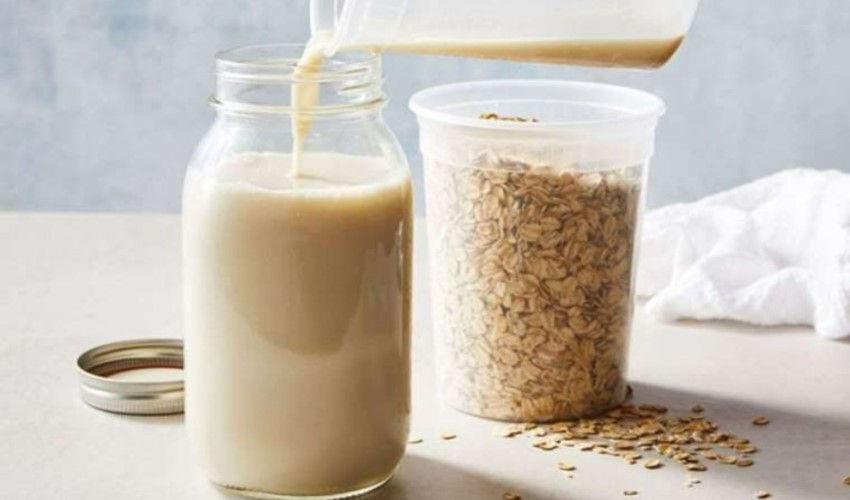
Although there are many plant-based milk alternatives today, oat milk stands out as the most widely consumed product. Oat milk, which has recently been debated regarding how healthy it actually is, may perhaps not be the right choice for you.
PLANT-BASED MILK CONSUMPTION IS INCREASING
Thanks to the increasingly popular plant-based diet approach, plant-based products have become integrated into the lives of many people, whether they are vegan or not. The reason for turning to plant-based products instead of animal milk and dairy products can be allergies, lactose intolerance, and various health issues. In particular, the growing interest in protecting the environment and nature is also leading us toward more eco-friendly consumption habits and cleaner product alternatives.
The fact that plant-based products are more ecological and have lower carbon production compared to animal-based products is also among the factors increasing their consumption. While dairy products make up 40% of the plant-based products on the market, it is predicted that plant-based proteins will replace milk and meat products within the next 30 years. Oat milk, along with almond milk, stands out as the most popular product in this category. In fact, it is stated that sales of these products increased by 700% between 2018 and 2019.
HOW DID OAT MILK EMERGE?
It was first developed by Swedish developers and launched in the 1990s under the Oatly brand. Emerging as the world's first oat milk brand, Oatly appeared as an environmentally conscious milk alternative. While it was presented as an alternative to animal milk for those with lactose intolerance, it was also sold as a responsible option that reduces carbon emissions. Although it is called oat milk, this product, which is a type of water obtained from oats, became a preferred choice for those adopting a healthy lifestyle as its soft, milk-like texture and sweet taste made it a nutritious, plant-based milk alternative.
WHAT ARE THE CHARACTERISTICS OF OAT MILK?
It stands out with its sweet flavor and a thicker consistency compared to other milks. Due to its fibrous structure, it has a creamy texture. The soluble fiber it contains absorbs water and turns into a gel consistency during digestion. This slows down digestion, leading to a longer feeling of satiety. Oat milk, which is a creamy, sweet, and dense beverage, is good for heart health by regulating cholesterol levels thanks to the beta-glucan it contains.
Oat milk, which has rich nutritional values such as B12, riboflavin, calcium, and phosphorus, is quite beneficial for the immune system, energy production, bone health, and DNA formation.
Due to the malting process where enzymes break down oat starch during production, oat milks can have high sugar values even without added sugar. From an ecological perspective, it is one of the cleanest plant-based products in the production stage due to its lower water and land usage and low carbon dioxide emissions.
WHY IS IT CLAIMED THAT OAT MILK IS HARMFUL?
It is made by soaking oats in water, blending them, and then straining the liquid. Sugar emerges as a result of this production process. Oat milk, which undergoes an enzymatic process that breaks down larger starch molecules into smaller units, creates a sugar called maltose.
You have probably heard of the glycemic index, which rates carbohydrates from zero to 100 based on how they affect blood sugar. The glycemic index of ground oats is approximately 55. After being broken down to produce oat milk, it reaches a glycemic index of over 100 as a result of the maltose produced.
Cow's milk consists mostly of protein and fat. The starch content of nut and almond milks is also quite low. These milks, which are better options in terms of glucose-balancing properties, will not cause your blood sugar to spike and crash suddenly.
Looking at recent statements by experts, if you are consuming oat milk because you think it is healthier, it might be worth reconsidering; however, at the same time, a situation that causes a large spike in one person's blood sugar may not apply to another. If you are consuming oat milk in a smoothie or adding a small amount to your coffee, the glycemic ratio you receive is likely low, so you will not see a sudden spike in blood sugar.
THINGS TO CONSIDER IF YOU CONSUME OAT MILK
If you choose to consume oat milk, you can pay attention to a few important points below:
- Make sure your product does not contain any sweeteners when purchasing.
- Many oat milks on the market may not be gluten-free. If you have a gluten sensitivity or experience digestive problems, ensure that the product you buy carries a "gluten-free" label.
- If you consume homemade oat milk, you may lose many vitamins during the preparation stage. For this reason, store-bought oat milks may be a more nutritious alternative for you.
- Oat milk contains less protein compared to its animal-based alternatives. Therefore, you may not feel full after consumption.
- It does not pose a health problem for children and babies, but it is not a suitable alternative to cow's milk and breast milk because it lacks the nutritional values necessary for maximum growth.
- Oat milk has a higher carbohydrate ratio compared to animal milks and almond milk. While a glass of oat milk contains between 15-20 grams of carbohydrates, a glass of cow's milk contains 8 grams of carbohydrates. If you are watching your carbohydrate intake or have diabetes, it is recommended to be careful when consuming it.
News Source: 12punto