 1 / 14
In recent days, colds and respiratory infections have been spreading rapidly, and stomach and intestinal infections are also frequently encountered, especially in children. Freezing cold weather and long hours spent in closed, crowded environments cause viruses and bacteria to spread easily, which can make individuals with weak immune systems fall ill.
Acıbadem University Atakent Hospital Pediatric Health and Diseases Specialist Dr. Süheyla Yeldan Vatansever stated, “Recently, in addition to colds and upper respiratory tract infections, gastrointestinal infections are also frequently seen. Viruses such as Rotavirus, Norovirus, and Adenovirus, as well as certain bacteria, can lead to gastrointestinal infections with symptoms such as diarrhea, vomiting, abdominal pain, fatigue, and fever.” Dr. Vatansever noted that strengthening children's immune systems plays an important role in protection against infections, and offered 10 effective recommendations for boosting immunity and protecting against diseases.
 2 / 14
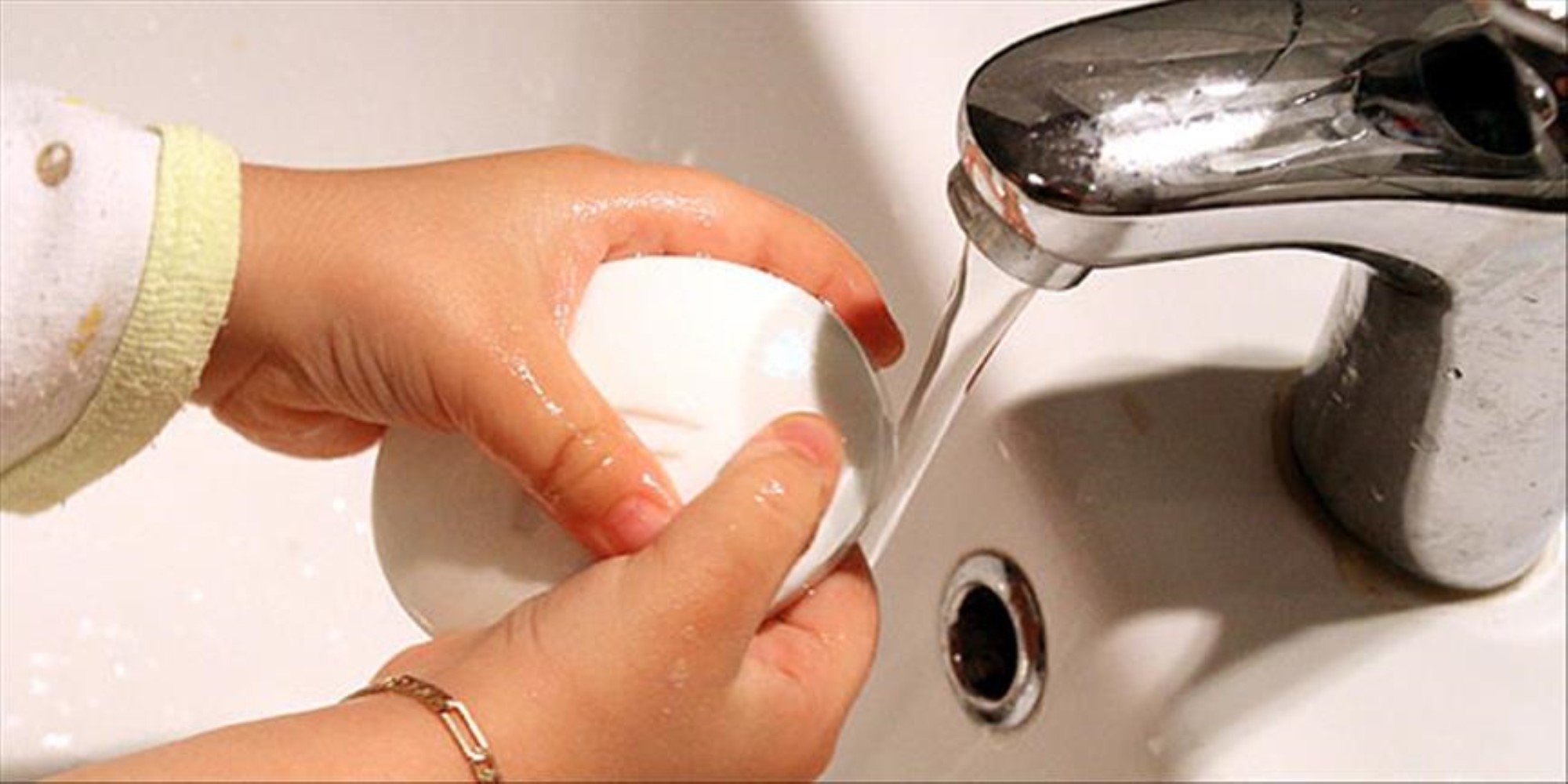
TEACH HYGIENE RULES
Hand hygiene significantly reduces the risk of infection. The habit of washing hands must be instilled, especially before meals, after using the toilet, and after coming from outside. Ensuring hand hygiene and preventing hands from touching the face, eyes, and mouth prevents germs from entering the body and lowers the risk of infection.
 3 / 14
 4 / 14
 5 / 14
PROVIDE A PEACEFUL AND SUPPORTIVE HOME ENVIRONMENT
Children's ability to cope with stressful situations has a direct effect on the strength of their immune systems. A peaceful and supportive environment within the family is important for children's healthy development. They can be encouraged to reduce their stress through relaxing activities such as art and play. It should be taught that stress can protect a person when managed correctly but can harm health when at excessive levels, and professional support should be sought for stress management when necessary.
 6 / 14
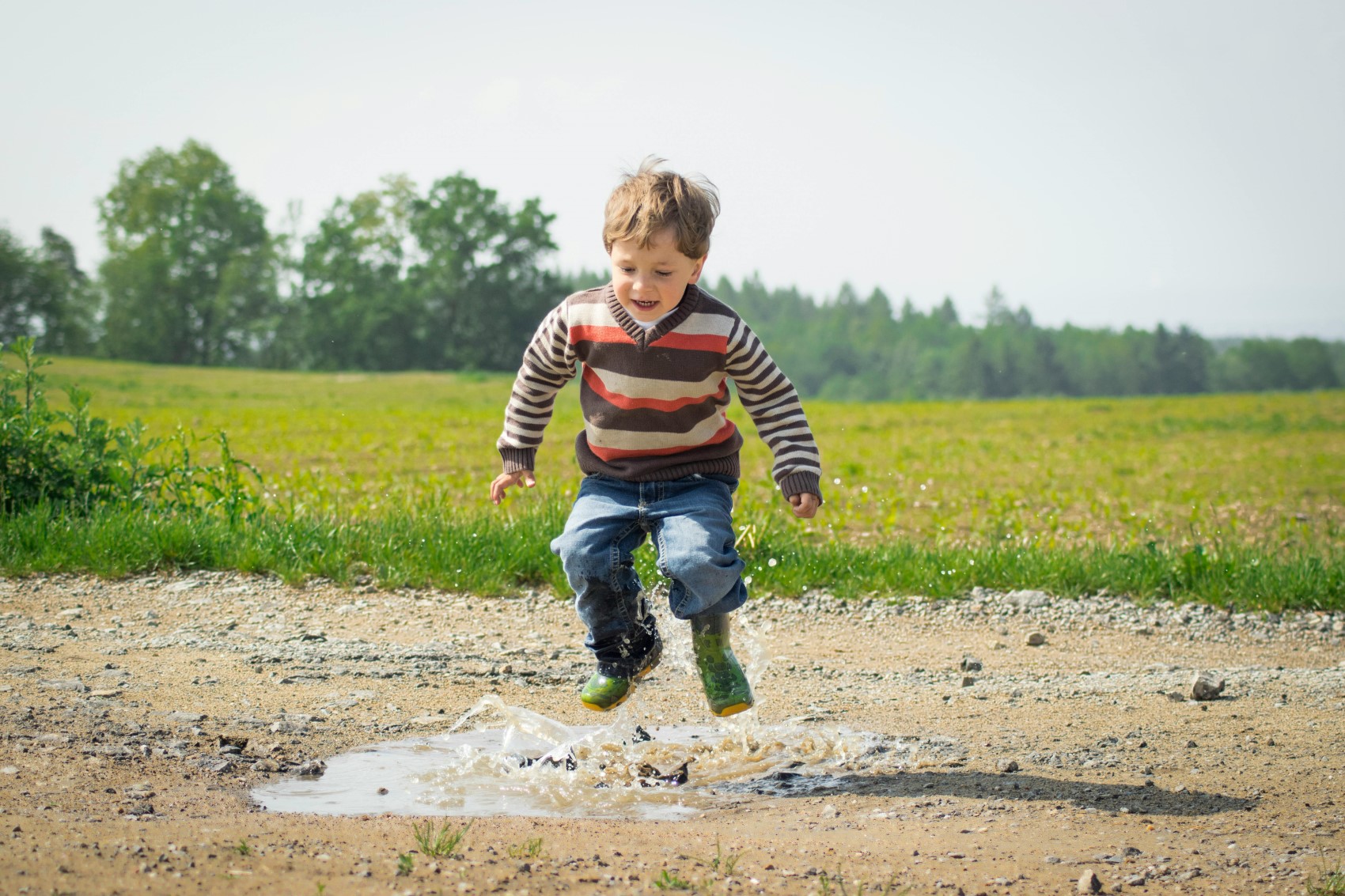
ENCOURAGE SPORTS!
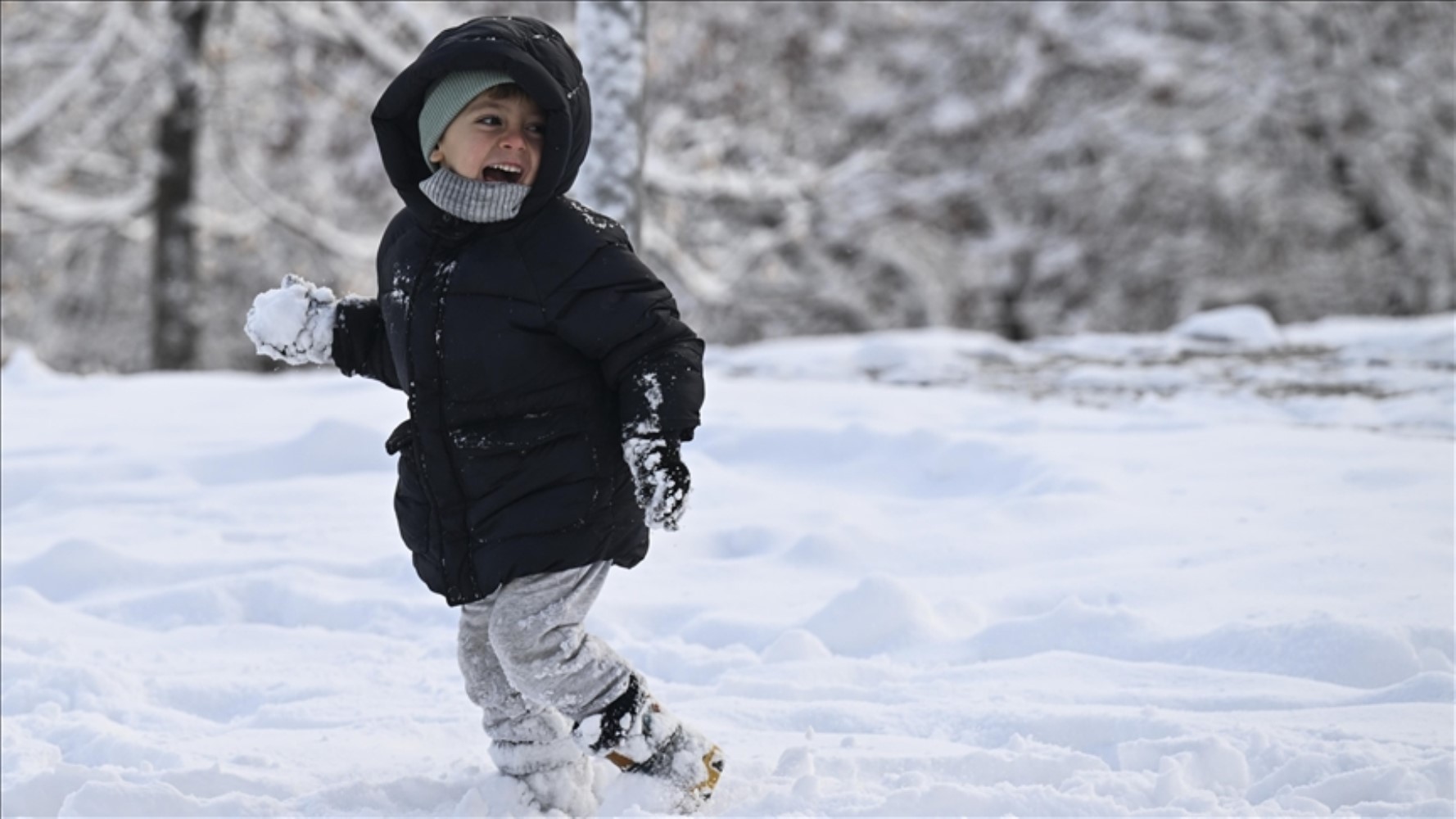
Physical activity increases blood circulation, enhances the effectiveness of immune cells, and improves overall health by lowering stress levels. Playing outdoors is extremely beneficial for children's both physical and mental health. They should be ensured to play outdoors for at least 1 hour a day and encouraged to participate in age-appropriate sports activities.
 7 / 14
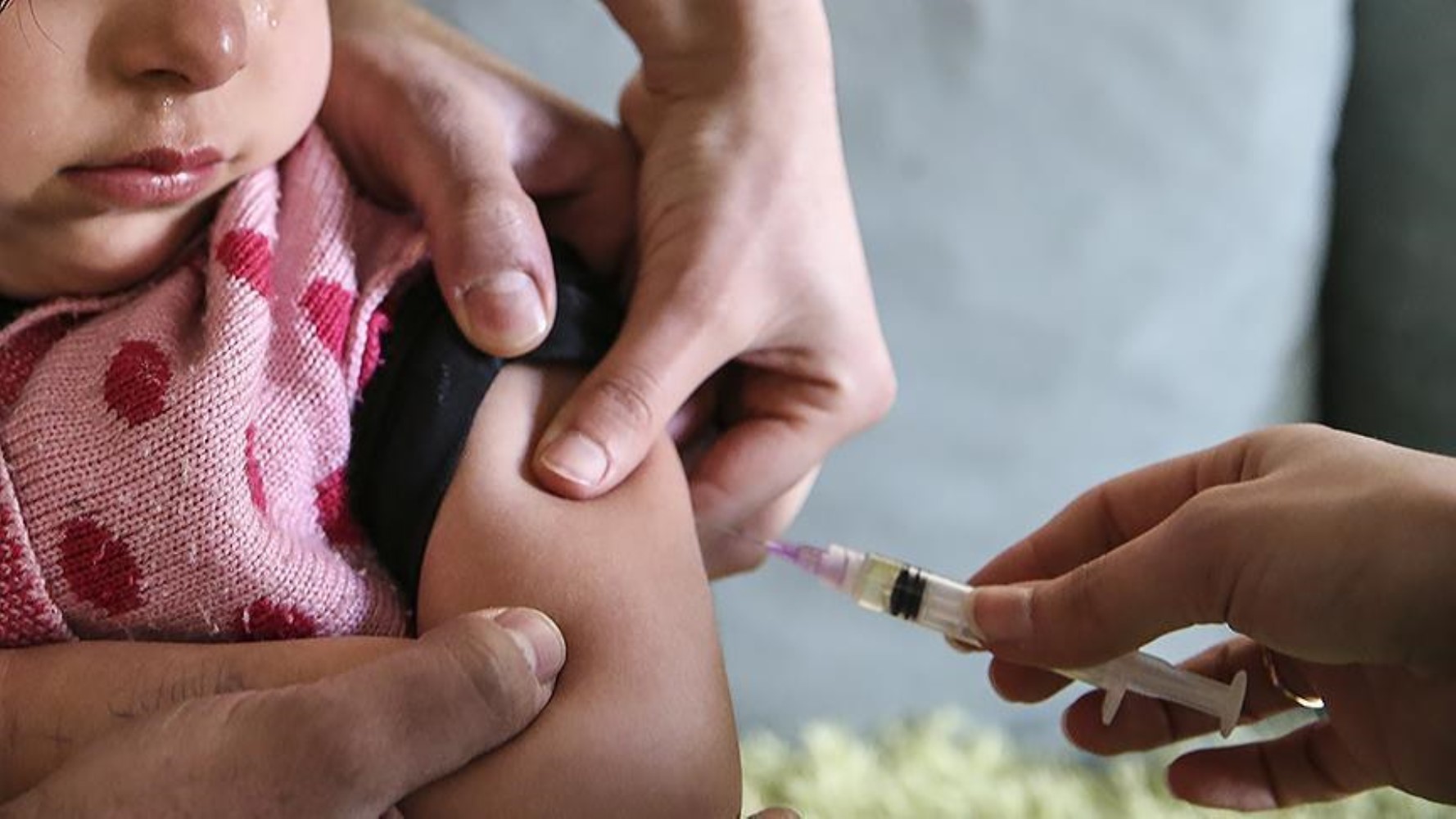
DO NOT NEGLECT VACCINATIONS
The Pediatric Health and Diseases Specialist states that one of the most important methods to prepare the immune system against diseases is vaccines. Vaccines provide protection by strengthening children's immune systems against various diseases. Children's vaccination schedules should be checked regularly and missing vaccines should be completed. It is especially important to have protective vaccines against seasonal illnesses such as the flu and pneumonia.
 8 / 14
AVOID UNNECESSARY ANTIBIOTIC USE
The Pediatric Health and Diseases Specialist states that the unnecessary use of antibiotics negatively affects the immune system and can disrupt gut flora, saying: “Antibiotics should not be used for every cold or cough; they should only be used upon a doctor's recommendation. Unnecessary antibiotic use weakens the immune system and leads to the formation of resistant bacteria.”
 9 / 14
ENSURE THEY GET ADEQUATE AND QUALITY SLEEP
Sleep is an important time when the immune system's repair and renewal processes take place. Ensuring children sleep for sufficient durations appropriate for their age plays a critical role in strengthening the immune system. Children aged 1-3 should sleep 11-14 hours, children aged 3-6 should sleep 10-13 hours, and children aged 6-12 should sleep 9-12 hours. Insufficient and poor-quality sleep can weaken the immune system. A dark, quiet, and comfortable sleeping environment is important for quality sleep.
 10 / 14
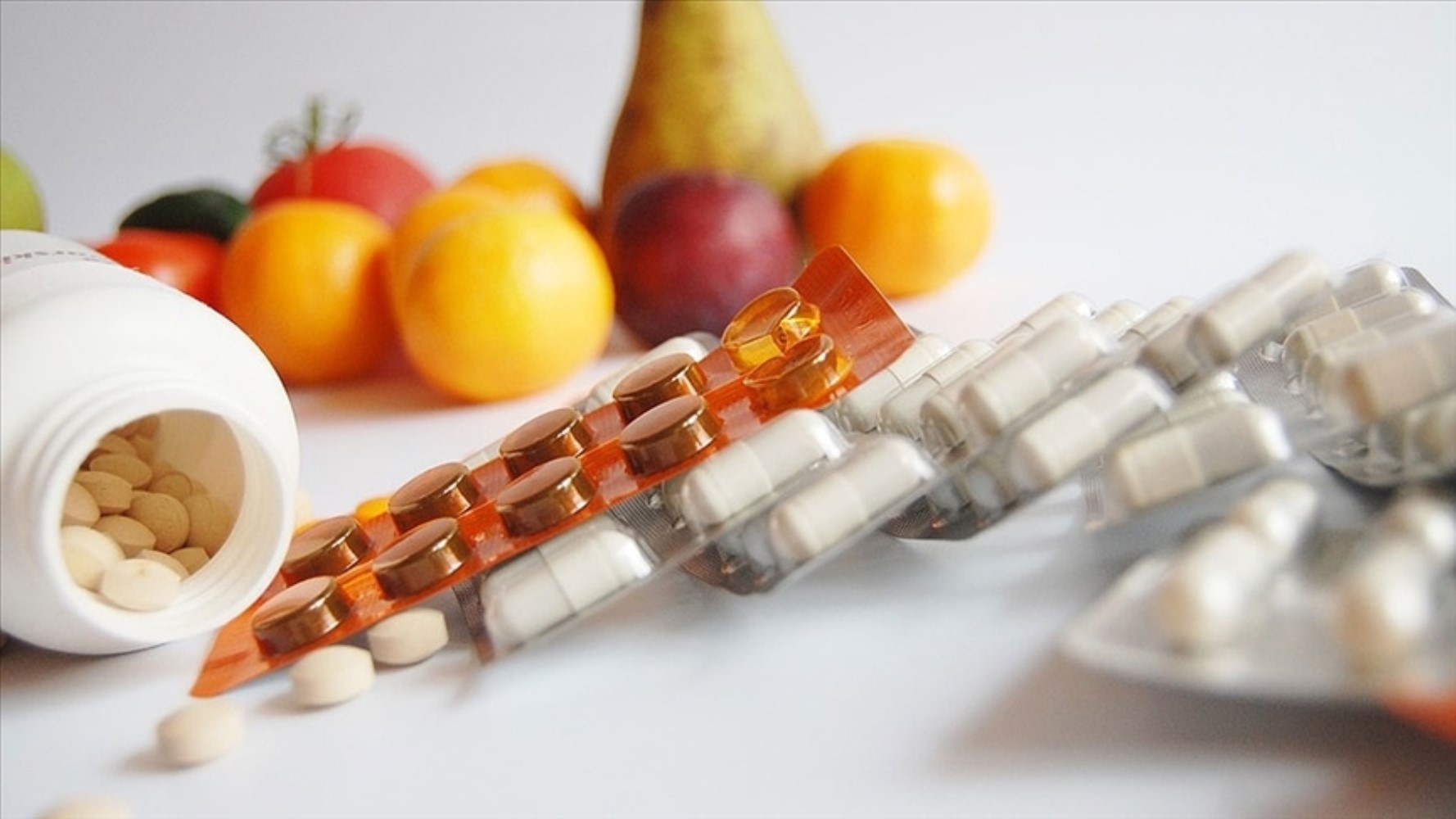
DO NOT GIVE VITAMINS INDISCRIMINATELY!
Vitamin use in children may be necessary for healthy growth and development; however, this process must be managed carefully. Parents may provide vitamin and mineral supplements based on what they hear from friends, the internet, or their surroundings in order to strengthen their children's immune systems. However, giving products that the child does not need without consulting a doctor can trigger autoimmune diseases by overworking the immune system. The child's needs should be determined by evaluating blood tests and health status. Long-term use of high doses of certain vitamins can accumulate in the body and lead to poisoning. This can pose serious health risks, especially for children in the growth and development stage.
 11 / 14
RAISE AWARENESS ABOUT THE HARMS OF CIGARETTES AND CHEMICAL SUBSTANCES
Exposure to cigarette smoke weakens children's immune systems and invites respiratory tract infections. For this reason, it is extremely important that smoking does not occur in environments where children are present. Raising awareness among children about the harms of cigarettes and chemical substances is a critical step for their healthy development.
 12 / 14
ENSURE THEY CONSUME THESE FOODS
Children should avoid junk food, fast food, and sugary processed foods. Protein sources such as meat, fish, eggs, and legumes are important for the production of immune cells. In addition, foods rich in Vitamin C such as oranges, tangerines, kiwis, and broccoli, as well as foods rich in Vitamin A such as carrots and spinach, should be included in children's diets. Considering that gut health affects 70 percent of the immune system, fermented foods containing probiotics such as yogurt and kefir should be recommended. Furthermore, healthy nuts such as walnuts and almonds should also be included in the diet.
 13 / 14
LET THEM BENEFIT FROM THE WINTER SUN
Vitamin D deficiency can cause the immune system to weaken. Being exposed to sunlight for 15-20 minutes a day is beneficial. While sunlight increases Vitamin D production, Vitamin D helps immune cells function healthily. Sunlight should definitely be utilized during the winter months. In necessary cases, Vitamin D supplementation can be provided upon a doctor's recommendation.
 14 / 14
SUPPORT THEM IN CONSUMING ENOUGH WATER
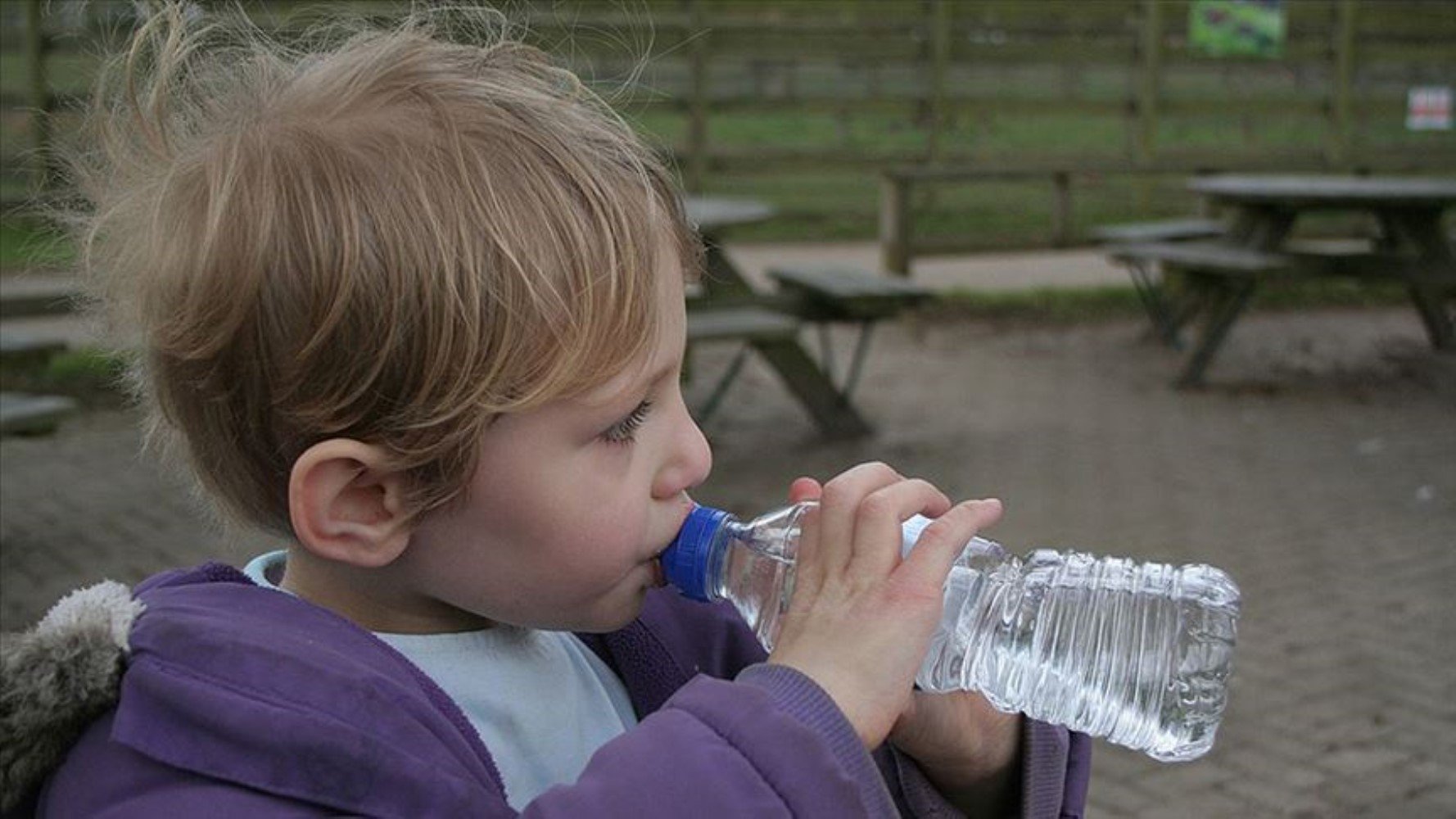
Maintaining the water balance in the body is quite important for immune cells to function in a healthy way. Children should be ensured to drink enough water appropriate for their age. Water helps remove toxins from the body and supports the immune system to work strongly.
News Source : 12punto