 1 / 11
Cancer stands out today as one of the primary diseases threatening public health both globally and in our country. As the second most common cause of death after cardiovascular diseases, this illness negatively affects the quality of life for millions of people every year. While breast cancer is the most common type of cancer in women, lung cancer ranks first in men. In addition, a significant increase has been observed in recent years in colorectal, prostate, stomach, and uterine cancers.
According to data from the Global Cancer Observatory (GLOBOCAN), the number of people diagnosed with cancer worldwide is expected to increase by approximately 48 percent by 2040, with the figure projected to reach 30 million.
According to experts, it is possible to reduce the risk of cancer by 30-40% by adopting a healthy lifestyle. Eating a balanced and healthy diet, maintaining an ideal weight range, exercising regularly, and avoiding tobacco and alcohol use are among the most effective methods for cancer prevention. At the same time, choosing the right foods, paying attention to cooking methods, and avoiding processed foods contribute to reducing the risk.
Experts in the field list 10 basic rules to follow for cancer prevention and provide vital warnings.
 2 / 11
DO NOT OVEREAT
Obesity is directly linked not only to chronic diseases but also to many types of cancer, including breast, colon, esophageal, kidney, gallbladder, uterine, pancreatic, and liver cancer. Excessive accumulation of adipose tissue in the body can trigger cancer development by leading to an increase in the levels of hormones such as estrogen, insulin, and insulin-like growth factor-1 (IGF-1). Furthermore, chronic inflammation caused by obesity further increases cancer risk by causing damage to cells.
Therefore, maintaining an ideal weight through portion control and developing healthy eating habits not only supports general health but also plays a critical role in cancer prevention.
 3 / 11
DO NOT LEAVE VEGETABLES AND FRUITS OFF YOUR TABLE
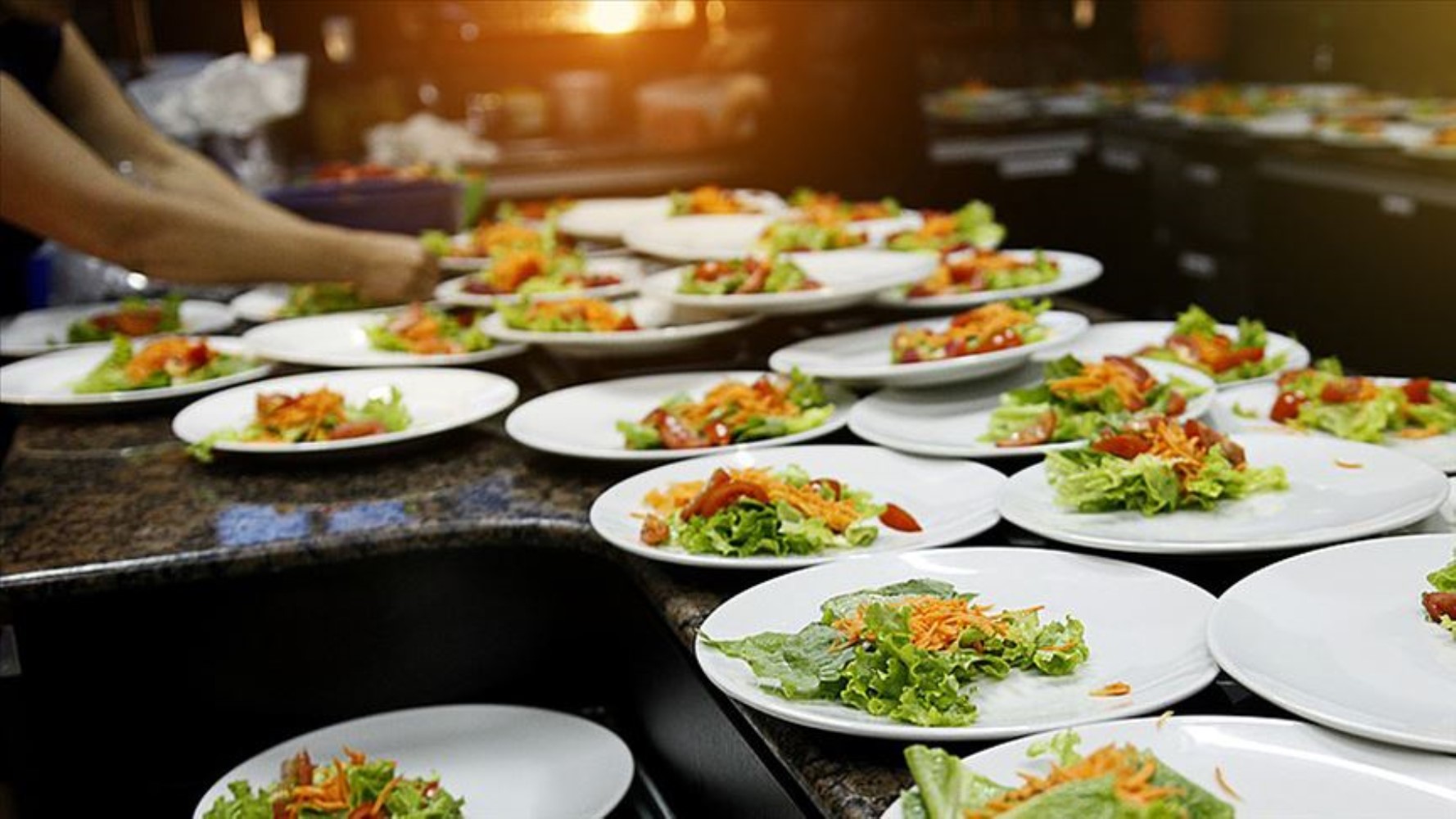
Vegetables and fruits are very rich in antioxidants, vitamins, fiber, and plant-based nutritional components (phytochemicals), and they play an important role in preventing cell damage. Consuming colorful and varied vegetables and fruits strengthens the body's natural defense mechanisms by supporting the immune system. Thanks to these properties, they are known to be effective in reducing cancer risk.
It is stated that consuming an average of 5 portions (approximately 400 grams) of vegetables and fruits daily can contribute to cancer prevention. Dark green leafy vegetables, cruciferous vegetables (such as broccoli and cauliflower), red-purple fruits (such as blueberries and pomegranates), and orange-colored vegetables and fruits (such as carrots and pumpkin) stand out in this regard.
 4 / 11
SUPPORT YOUR GUT HEALTH WITH WHOLE GRAINS AND FIBROUS FOODS
Whole grains such as whole wheat, oats, and bulgur, as well as vegetables and fruits, are rich sources of fiber that support gut health. An intake of approximately 25-30 grams of fiber per day regulates the digestive system and facilitates the removal of toxins from the body. While consuming recommended amounts of fiber supports the digestive system, it also has a protective effect against certain types of cancer, especially colon cancer. Choosing foods containing whole grains instead of white flour products helps increase fiber intake.
 5 / 11
STAY AWAY FROM THE RISKIEST FOODS
Processed meats such as sausages, salami, and sucuk have been classified as 'Group 1 Carcinogens', meaning the riskiest foods, by the International Agency for Research on Cancer (IARC). Acar says, 'The nitrite, nitrate, and harmful compounds formed during high-temperature processing in these foods, in particular, are associated with digestive system cancers, primarily colorectal cancer. According to research, the risk of colorectal cancer increases by approximately 18 percent in individuals who consume 50 grams of processed meat every day.'
 6 / 11
LIMIT RED MEAT CONSUMPTION
Excessive consumption of red meat and its preparation with incorrect cooking methods are associated with the risk of developing certain types of cancer. It is stated that red meat consumption exceeding 500 grams per week can trigger digestive system cancers, especially colorectal cancer.
Cooking at high temperatures—especially using methods like grilling or char-grilling—causes the formation of harmful compounds such as heterocyclic amines (HCAs) and polycyclic aromatic hydrocarbons (PAHs) within the meat. These substances are among potential carcinogens.
Therefore, moderation in red meat consumption is of great importance. Limiting it to 1-2 times a week and choosing healthier cooking options such as boiling or baking is a safer approach to both protecting health and reducing cancer risk.
 7 / 11
AVOID SUGAR AND REFINED CARBOHYDRATES
Excessive sugar consumption can pave the way for the development of certain types of cancer indirectly by increasing the risk of obesity. It is also known that high-glycemic index foods can trigger chronic inflammation in the body. This can create an environment that may lead to cancer in the long term by increasing cell damage.
For this reason, it is of great importance to stay away from sugary drinks, desserts, and refined carbohydrates containing white flour. Instead, choosing natural carbohydrate sources such as whole grains, fresh fruits, and vegetables is a more correct approach for both general health and cancer prevention.
 8 / 11
DO NOT USE SATURATED AND TRANS FATS
Saturated fats (animal-based fats such as butter and tail fat) and trans fats (margarine, packaged snacks, fried fast food products) can pave the way for certain types of cancer by increasing inflammation in the body when consumed in excess. Conversely, it has been determined that Omega-3 fatty acids have protective effects against breast and prostate cancer by reducing inflammation. Furthermore, research reveals that healthy fat sources such as olive oil, walnuts, and avocados, which are commonly used in the Mediterranean diet, are supportive in reducing cancer risk.
 9 / 11
DO NOT CONSUME HIGH AMOUNTS OF SALT AND SALTY FOODS
Pickles, instant soups, processed snacks, and brined foods contain excessive sodium. Excessive salt consumption can also increase the risk of stomach cancer in particular. Developing the habit of reading labels, reducing processed foods, and flavoring meals with natural aromas such as lemon, spices, and garlic instead of salt is important for both general health and cancer prevention. The World Health Organization recommends limiting daily salt consumption to 5 grams, which corresponds to approximately one teaspoon.
 10 / 11
PAY ATTENTION TO THE COOKING METHOD OF FOODS
Frying, char-grilling, and long-term cooking at high temperatures can cause the formation of harmful compounds that may have a carcinogenic effect. Especially charring the meat can further increase this risk.
Therefore, it is recommended to choose healthier methods such as boiling, steaming, baking, or grilling without burning when cooking. Additionally, not allowing food to become too dark, not consuming charred parts, and paying attention to cooking time stand out as an important step in protection against cancer.
 11 / 11
QUIT ALCOHOL COMPLETELY
Alcohol is associated with many cancers, primarily liver, breast, esophageal, and colon cancer. Alcohol consumption at any level increases cancer risk; no safe lower limit is specified. International Health Authorities recommend quitting alcohol completely to prevent cancer.
News Source : 12punto