



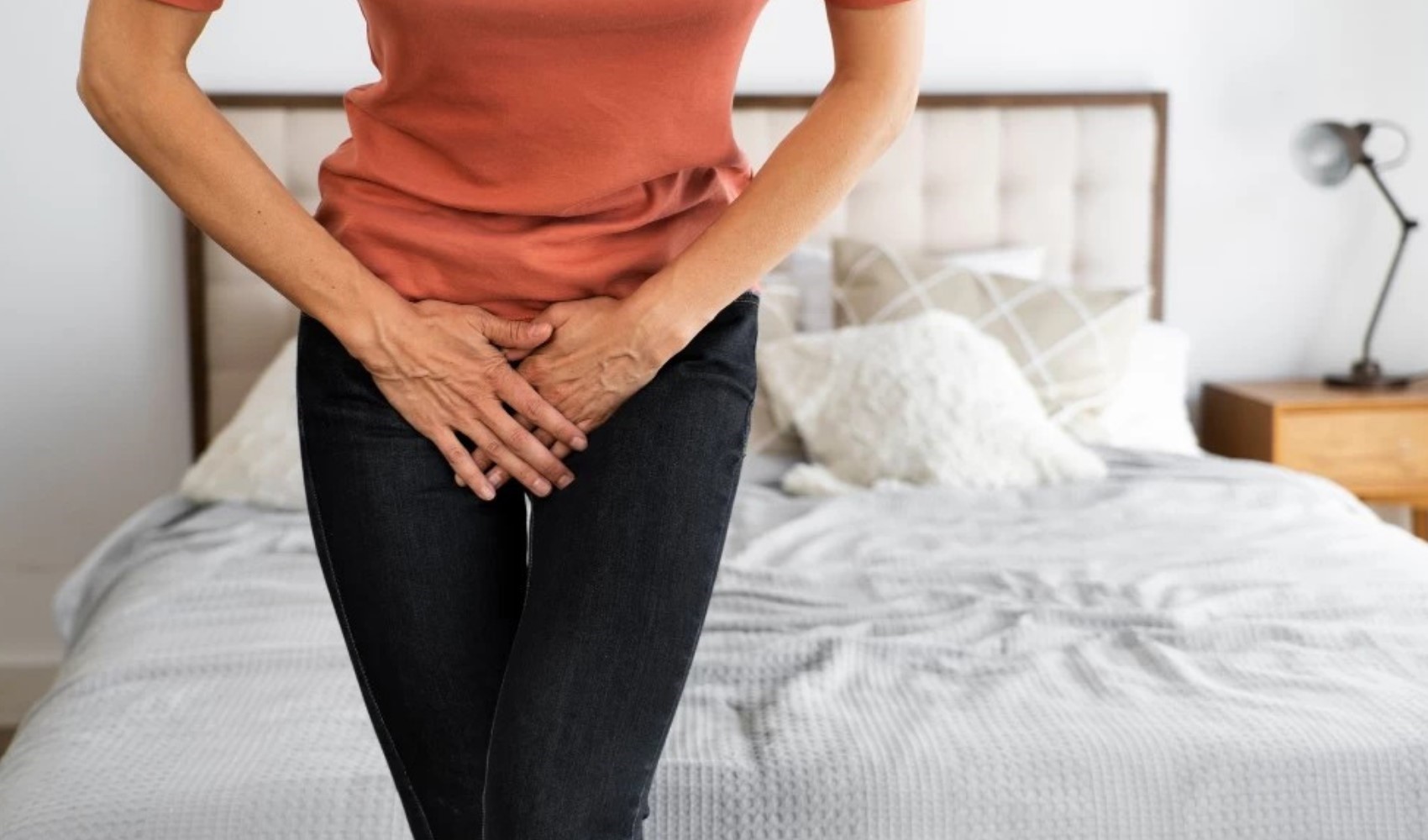
Overactive bladder is defined as the need to go to the bathroom due to an increased urge to urinate resulting from sudden and severe contractions of the bladder muscles. This problem is becoming increasingly common, especially with the rise in habits such as tea, coffee, smoking, and alcohol consumption. Overactive bladder, which can affect individuals of all ages, is seen in 30 percent of men over the age of 65 and 40 percent of women over the age of 45. These rates indicate that 2 out of every 5 women experience overactive bladder problems.
Acıbadem Kartal Hospital Urology Specialist Dr. Bülent Özbilek points out that this condition, which creates negative effects on hygiene, work, and social life, is often not voiced due to embarrassment, stating, 'Instead of consulting a physician, patients' quality of life drops significantly as they seek their own solutions.
Problems such as frequent trips to the bathroom and sudden urges to urinate can create major problems in family, social, and work lives over time. However, with lifestyle adjustments and applied treatments, overactive bladder complaints can usually be treated, and patients can continue their daily lives without issues,' he says.
SUDDEN URGE TO URINATE IS THE MOST TYPICAL SYMPTOM!
Urine is produced by the kidneys and stored in the bladder. During this process, regardless of the amount of urine, the bladder contracts, creating the urge to urinate. This urge is usually suppressed and postponed. When the bladder is completely full, the surrounding muscles contract voluntarily, and the urination process takes place. The Urology Specialist says, “In an overactive bladder, contractions become so strong before the bladder is full that urination cannot be postponed, and in this case, one either goes to the bathroom frequently or experiences urinary incontinence.” A sudden urge to urinate is the most common symptom of an overactive bladder. Urinating more than 8 times a day and waking up at night to urinate are typical signs of an “overactive bladder” problem. Sometimes, these issues may be accompanied by urinary incontinence.

BEWARE OF COFFEE AND TEA CONSUMPTION!
An overactive bladder can be caused by many different reasons. The specialist doctor states that factors such as childbirth and pregnancy can stretch and weaken pelvic muscles, leading to this condition, and adds, “We also see that the decrease in estrogen hormone after menopause, urinary tract infections, excess weight, herniated discs, and neurological diseases such as Parkinson's, multiple sclerosis, and stroke, as well as diabetes, cause the development of an overactive bladder. However, sometimes the reasons triggering this situation cannot be clearly determined.” Urology Specialist Dr. Bülent Özbilek also emphasizes that especially coffee, tea, alcohol, chocolate consumption, smoking, and constipation can further increase overactive bladder problems.

CAUSES ARE INVESTIGATED FIRST
Patients who consult a physician for diagnosis are asked for information such as whether they have diabetes, a herniated disc, or a neurological disease that could lead to an overactive bladder, as well as medications used, habits (smoking, caffeine, alcohol), daily fluid intake, and the frequency of urination and incontinence. The patient is then examined, and if necessary, imaging methods such as urinalysis, urine culture, ultrasonography, and computed tomography may be used. With urodynamics, an important diagnostic method, the pressures of the bladder during filling are measured to try to determine the cause of the incontinence.
ADJUSTING LIFESTYLE HABITS IS ESSENTIAL!
In cases of overactive bladder, depending on the underlying factor, medication, lifestyle adjustments, and medical treatments are used. However, complaints may start again over time after treatment. The Urology Specialist states that for this reason, changes to be made in lifestyle habits are much more important, saying, “Especially relieving constipation, regulating fluid intake, quitting smoking, limiting alcohol and caffeine-containing beverages like tea and coffee, losing excess weight, and exercising regularly are very important in eliminating complaints.”
News Source: 12punto









