



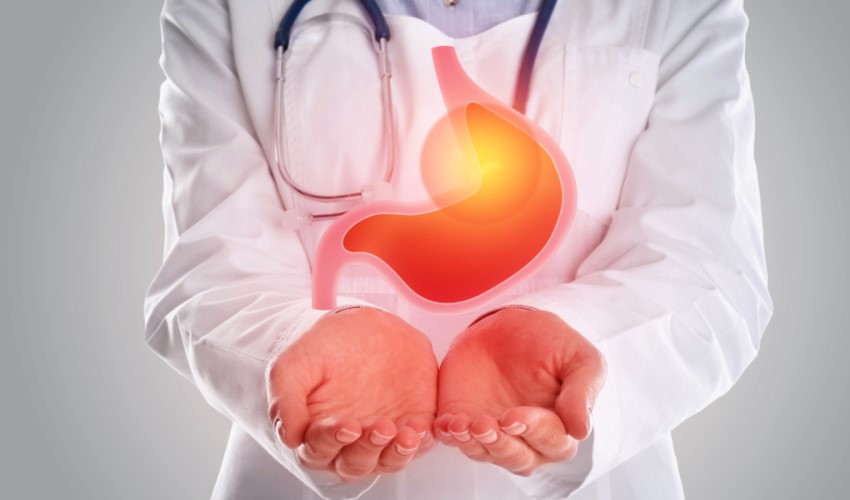
Stomach cancer is known as a type of cancer that occurs when stomach tissue grows abnormally and uncontrollably.
Stomach cancer begins in the inner layers of the stomach wall and then spreads to other layers. It is generally seen more frequently in people exposed to certain risk factors, and there are many subtypes and stages of stomach cancer. Stomach cancer can manifest itself with certain symptoms, but it often does not show symptoms in the early stages.
SYMPTOMS OF STOMACH CANCER
- Stomach pain or discomfort: Stomach cancer can often cause a feeling of discomfort or pain in the stomach. This pain is usually related to digestion.
- Indigestion or heartburn: Indigestion, persistent heartburn, or a feeling of indigestion is one of the symptoms of stomach cancer.
- Difficulty swallowing: As stomach cancer progresses, difficulty may be experienced while eating or swallowing.
- Loss of appetite: People with stomach cancer often experience a decrease in their appetite. For this reason, weight loss is also a common symptom.
- Nausea and vomiting: Stomach cancer can affect the stomach emptying process, which can result in nausea and vomiting.
- Bloody or dark-colored stool: Stomach cancer can cause stomach bleeding and lead to bleeding in the stool or dark-colored stools.
- Anemia: Stomach cancer can cause blood loss, which can lead to anemia. Symptoms of anemia may include weakness, pale skin tone, and fatigue.
- Weight loss and thinning: People with stomach cancer often lose weight and generally become thinner.
Stomach cancer is generally seen more frequently in people exposed to the following risk factors:
Helicobacter pylori infection:
This bacterium can cause stomach inflammation and increases the risk of stomach cancer over time.
Diet:
Consuming high-salt, smoked, salty, or processed foods frequently, and consuming small amounts of fruits and vegetables can increase the risk of stomach cancer.
Smoking:
Smoking can increase the risk of stomach cancer.
Family history:
The risk may increase in people with a family history of stomach cancer.
Age:
Stomach cancer is usually seen after the age of 50, but it can occur at any age.
HOW IS STOMACH CANCER TREATED?
Stomach cancer treatment varies depending on the stage of the cancer, the degree of spread, and the patient's general health status. Treatment options include surgical intervention, chemotherapy, radiotherapy, and targeted drug therapy. The treatment plan is usually determined with a multidisciplinary approach and adapted to the patient's individual situation.
Surgical Intervention:
If cancer is detected and is located in a limited area, surgical intervention will often be part of the treatment. Surgical intervention is performed to remove the cancerous tissue. Surgical intervention is generally effective in the earlier stages of cancer.
Chemotherapy:
Chemotherapy involves the use of drugs to kill cancer cells or control their growth. Chemotherapy is usually used to clear cancer cells after surgery or to control cancer in advanced stages.
Radiotherapy:
Radiotherapy is used to destroy cancer cells or control their growth using high-energy beams. Radiotherapy can be used as an option before or after surgery to destroy cancerous cells.
Targeted Drug Therapy:
Targeted drugs are medications designed to attack specific targets of cancer cells. These drugs usually target cancer cells selectively and reduce the risk of damaging healthy tissues.
News Source: 12punto









