The Turkish Society of Nephrology held a meeting themed ‘Kidney is Life’ on World Kidney Day to draw attention to the importance of chronic kidney disease. Information was shared to raise awareness in society about chronic kidney disease, and to highlight the risk factors leading to chronic kidney disease and the importance of early diagnosis in protecting kidney function.
The importance of chronic kidney disease is highlighted on “World Kidney Day”, which is designated as the second Thursday of March every year. Within the scope of this year's World Kidney Day, the Turkish Society of Nephrology held a press conference under the theme “Kidney is Life” with the participation of the Society President Prof. Dr. Alaattin Yıldız, Vice President Prof. Dr. Nurhan Seyahi, General Secretary Prof. Dr. Elif Arı Bakır, Treasurer Prof. Dr. Ali Rıza Odabaş, as well as Board Members Prof. Dr. Mustafa Arıcı, Prof. Dr. Özkan Güngör, and Prof. Dr. Sena Ulu, and with the contributions of AstraZeneca Turkey.
At the meeting, information was shared to raise awareness in society about chronic kidney disease, and to highlight the risk factors leading to chronic kidney disease and the importance of early diagnosis in protecting kidney function.
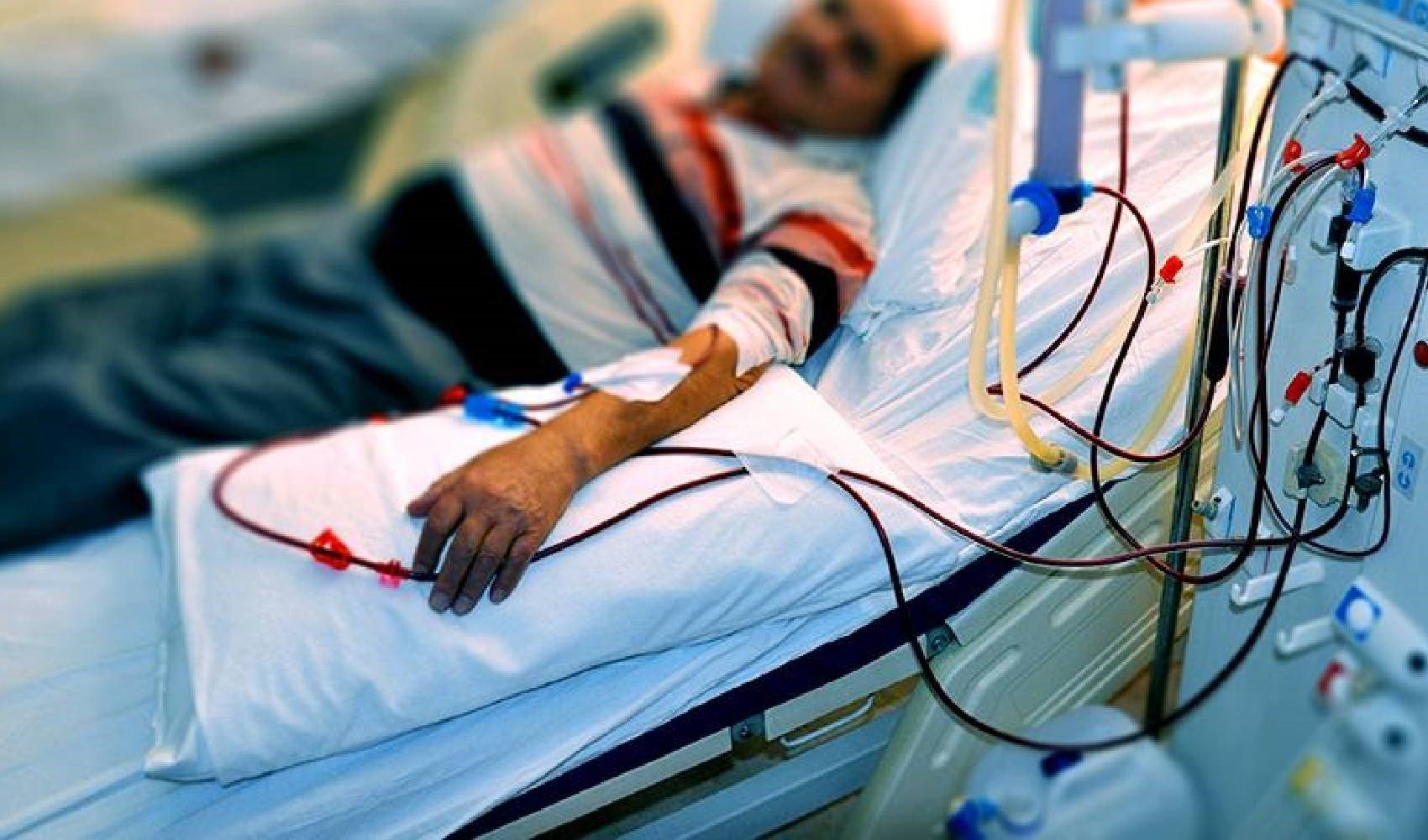
According to the information shared at the meeting, there are approximately 850 million chronic kidney patients worldwide. In Turkey, as of this year, over 68,000 patients are receiving dialysis treatment due to end-stage renal failure.
On the other hand, chronic kidney disease is seen in 6% of women of childbearing age.
''OVER 3,500 KIDNEY TRANSPLANTS ARE PERFORMED IN OUR COUNTRY ANNUALLY''
Providing information about kidney transplants in Turkey at the press conference, Turkish Society of Nephrology President Prof. Dr. Alaattin Yıldız said, “Kidney transplantation is the most preferred treatment for advanced renal failure. Since it restores all kidney functions to the patient, it has positive effects on cardiovascular health. For this reason, the life expectancy is much longer compared to patients receiving dialysis treatment. Over 3,500 kidney transplants are performed in our country annually. Since kidney transplantation is very successful in our country at high international standards, approximately 10% of the transplants are performed on patients coming from abroad within the scope of health tourism. The success of a kidney transplant begins with a detailed evaluation of the recipient and the donor in the pre-operative period. Thus, problems that may develop after the transplant can be predicted and kidneys can be donated successfully at an early stage. The early period after the transplant, especially the first month, is very important. Passing this period without problems through close follow-up of the patient determines the long-term life of the kidney. In the later period, nephrological follow-up of the transplant patient at longer intervals is also important in terms of preventing and treating potential complications early on,” he said.
''THE PREVALENCE OF CHRONIC KIDNEY DISEASE IN THE ADULT POPULATION IS OVER 10 PERCENT''
Drawing attention to chronic kidney disease in Turkey, Turkish Society of Nephrology Vice President Prof. Dr. Nurhan Seyahi said, “According to the CREDIT Study conducted within the Turkish Society of Nephrology in our country, the prevalence of chronic kidney disease in the adult population is over 10 percent. Despite the disease being so common, the reason it cannot be diagnosed is that it progresses silently without causing any symptoms, especially in its early stages. This situation makes it necessary to perform screening tests at least in individuals at risk for early diagnosis. Although there is no absolute consensus on the groups that need to be screened, screening must be performed at certain intervals with blood and urine tests in terms of kidney disease in diabetes and high blood pressure patients. In addition, screening for kidney disease should be performed in the elderly, those with a family history of kidney disease, and those with rheumatological diseases. With early diagnosis and timely initiated treatment, the progression of chronic kidney disease can be slowed down today, and the development of end-stage renal failure can be prevented. In addition to lifestyle changes that can slow down the process leading to kidney failure, i.e., dialysis or kidney transplantation, regular follow-up by a nephrologist is essential for the determination and implementation of drug treatment options available in our country. It is widely known that our kidneys remove harmful substances from the body through the urine they create by filtering the blood. However, besides this, many vital tasks such as blood production, regulation of blood pressure, bone health, and balancing the amount of acid in the body are also carried out by our kidneys. Again, the levels of electrolytes such as sodium and potassium in the body are primarily adjusted by our kidneys. For this reason, imbalances in body salts are frequently encountered in kidney patients. In addition to this, some beneficial drugs used especially to prevent the progression of kidney disease can also disrupt the potassium balance in the body; this situation can be more pronounced, especially in diabetic patients. In the regular follow-up and evaluation process carried out by the nephrologist, our patients are also evaluated in these respects and their treatments are regulated,” she stated.
''CHRONIC KIDNEY DISEASE IS SEEN IN 6% OF WOMEN OF CHILDBEARING AGE''
Turkish Society of Nephrology General Secretary Prof. Dr. Elif Arı Bakır said the following in her speech on kidney health in women: “Chronic kidney disease is seen in 6% of women of childbearing age. Pregnancy in a woman with mild-to-moderate chronic kidney disease can negatively affect kidney functions, but kidney functions may return to their previous state after pregnancy. However, studies show that in women with advanced renal failure, kidney disease also progresses during pregnancy and can lead to the dialysis stage. When a woman on dialysis becomes pregnant, it is recommended that she undergo hemodialysis for 20 hours a week to keep the baby away from the effects of toxic waste that may form. Daily hemodialysis prevents complications such as unwanted high potassium (hyperkalemia) and metabolic acidosis in pregnant women. According to a very recently published review, although it is not certain that it reduces mortality rates in mothers and babies, 4 hours of daily hemodialysis for 5-6 days a week is recommended for pregnant dialysis patients.”
STRIKING FIGURE: 68,000 PATIENTS...
Sharing figures about dialysis treatments in our country in his speech, Turkish Society of Nephrology Treasurer Prof. Dr. Ali Rıza Odabaş said, “As of this year, over approximately 68,000 patients in our country are receiving dialysis treatment due to end-stage renal failure. Of these patients, 64,300 are treated with hemodialysis, 3,250 with peritoneal dialysis, and 1,300 with home hemodialysis. Currently, our country ranks second in Europe and third in the world in terms of the number of home hemodialysis patients. Many of the over 68,000 hemodialysis patients in our country have accompanying diseases such as diabetes, hypertension, and cardiovascular diseases. These patients have a high tendency to infections and frequently encounter life-threatening problems, especially heart diseases. In addition, serious problems such as bone problems related to kidney failure, problems related to the vascular access route for hemodialysis, and blockages due to calcification in the vessels are also frequently seen. In short, it is a patient group that is difficult to follow up and treat, and requires physician experience and good management,” he expressed.
''THERE ARE APPROXIMATELY 850 MILLION CHRONIC KIDNEY PATIENTS WORLDWIDE''
Speaking about chronic kidney disease in the world, Turkish Society of Nephrology Board Member Prof. Dr. Mustafa Arıcı said, “There are approximately 850 million chronic kidney patients worldwide. This number is 2 times the number of diabetes patients worldwide and 8 times the number of cancer patients. In other words, 1 in every 10 people in the world has kidney disease. With this feature, chronic kidney disease unfortunately ranks first among chronic diseases. Chronic kidney disease is a condition where the risk of cardiovascular disease and death is quite high. Compared to many other diseases, kidney disease is the third fastest-growing cause of death globally from 2000 to 2019. If this speed continues, it is estimated that by 2040, chronic kidney disease will rise to the 5th place among the causes of loss of life worldwide. However, as a result of a social struggle to be carried out under the leadership of nephrologists, it will be possible to reduce the risk of chronic kidney disease,” he stated.
''ACUTE KIDNEY FAILURE DEVELOPED IN 68% OF PATIENTS WITH CRUSH SYNDROME IN THE KAHRAMANMARAŞ-CENTERED EARTHQUAKE''
Turkish Society of Nephrology Board Member Prof. Dr. Özkan Güngör, in his speech on nephrology in natural disasters, said, “In the 11 provinces where the Kahramanmaraş-centered earthquake showed its effect, some dialysis centers were destroyed or were inoperable due to electricity and water cuts. For the first 2 days of the earthquake, we provided 24-hour service for the continuation of the treatments of all chronic dialysis patients in Kahramanmaraş province, and dialysis centers in other provinces worked in this way. Meanwhile, damaged dialysis centers and water systems were rapidly made operational. Nephrology specialists and dialysis nurses from all over our country quickly came to the earthquake zone and worked to provide dialysis services. On the other hand, earthquakes can also damage the kidneys. ‘Crush Syndrome’, which is life-threatening due to muscle crushing, can occur in earthquakes. In patients with crush syndrome, conditions such as serious, rapidly developing kidney failure and high potassium, which also cause sudden deaths, can develop. Rapid dialysis applications for these patients are life-saving. According to the data of the Turkish Society of Nephrology, it is understood that there were 1,024 registered patients with crush syndrome in this earthquake, acute kidney failure developed in 68% of the patients, and 3,016 sessions of hemodialysis were performed on 635 patients,” he said.
''STRIKING RESULTS WERE OBTAINED''
Turkish Society of Nephrology Board Member Prof. Dr. Sena Ulu spoke about kidney health and the importance of social media. Ulu said, “Social media has the power to spread information campaigns quickly and effectively. With this awareness, the Turkish Society of Nephrology has been strongly present on all social media platforms for years, and while engaging in public-oriented information, awareness, and educational activities, it has also provided announcements of the society's activities and contributed to the educational activities of healthcare professionals. TND carried out successful projects last year, and our projects were crowned with awards. The first of these was the “Healthy Kidney Healthy Life” project, which we implemented with the unconditional support of AstraZeneca Turkey, a first in Turkey. Within the scope of the project, rapid urine tests, weight, and blood pressure measurements were applied to 3,000 participants in 4 different locations, and striking results were obtained. It was determined that 51% of the participants were at risk for chronic kidney disease, and 18% were in the medium-high risk group. In the second leg of our project, we signed an innovative awareness project with the unconditional contributions of AstraZeneca Turkey and Danone. Within the scope of our project, we added a QR code to water bottles and home-delivered carboys in cooperation with Hayat Su. With the “Are Your Kidneys Healthy?” test, which can be accessed when this QR code is scanned, we aimed to direct our patients at risk for chronic kidney disease to our physicians and reached 100,000 people. At the same time, we are happy to share with you that this project of ours was deemed worthy of the 1st place award in the Brand Collaborations category by the Istanbul Marketing Summit. On the other hand, in addition to the Turkish Society of Nephrology's Instagram account, X, and LinkedIn account, Nephrology TV for physicians and healthcare professionals, and the Turkish Society of Nephrology YouTube channel, which contains educational videos for the public, continue their activities actively. Through these channels, a bridge is built between professionals in the field of nephrology and patients for the purpose of patient education, and our patients can find a reliable platform under the control of our nephrology specialists. We will continue to be with all our citizens with our TND social media platforms,” she stated.
News Source: İHA