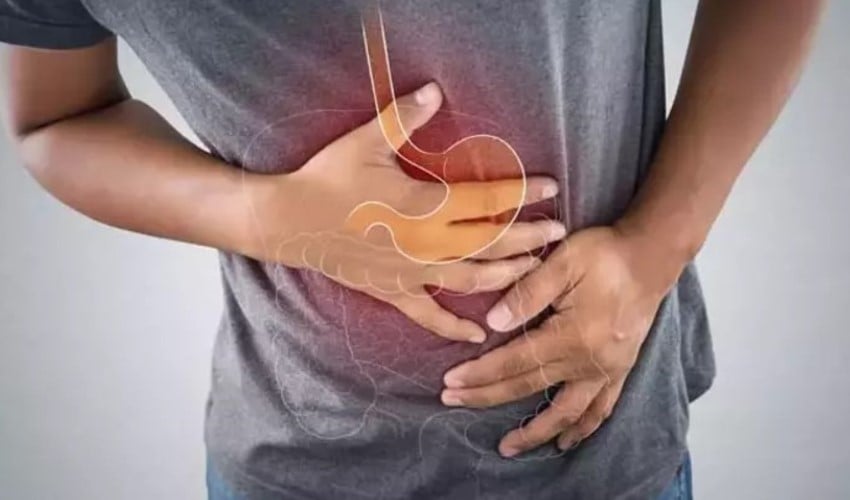
Ankara Yıldırım Beyazıt University Faculty of Medicine faculty member Prof. Dr. Aysun Bay Karabulut stated that prebiotics, probiotics, and symbiotics are microorganisms and nutrients that have positive effects on digestive system health.
Stating that prebiotics support gut health and also strengthen the immune system by enriching the gut microbiota, Prof. Dr. Karabulut said that probiotics, in addition to improving gut health, can have anti-inflammatory effects, strengthen the immune system, and increase lactose tolerance.
Noting that symbiotics also possess synergistic effects, support gut health, and strengthen the immune system, Karabulut said, “Prebiotics are special types of fibers found in some natural foods. These fibers provide health benefits to the digestive system by promoting the growth of beneficial bacteria in the gut.”
Professor of Plants Karabulut listed some natural foods rich in prebiotics as follows:
“Garlic and Onion: These vegetables belonging to the Allium family contain the prebiotic fiber inulin.
Artichoke: Artichoke contains inulin and fructooligosaccharides, known as prebiotics.
Banana: Banana contains a type of prebiotic fiber called pectin.
Honey and Maple Syrup: These natural sweeteners may have prebiotic properties.
Offal: Organ meats such as liver may contain inulin, which is a prebiotic.
Wheat and Barley: Wheat and barley contain a type of prebiotic fiber called beta-glucan.
Oats: Oats are another grain source containing beta-glucan.
Jerusalem Artichoke: This vegetable is rich in inulin and is a natural source of prebiotics.
Leek: Leek contains inulin and fructooligosaccharides.
Asparagus: Asparagus contains the prebiotic fiber inulin.”
Noting that these foods contain prebiotic fibers that can improve gut health by supporting the digestive system, Karabulut added, “However, everyone's digestive system is different, and their tolerance to these foods may vary. Before starting a new food containing prebiotics, it is important for individuals to start with small amounts and monitor their body's reactions.”
Also noting that probiotics are foods containing live microorganisms and include beneficial bacteria types that can improve digestive system health, Karabulut explained some foods where probiotics are naturally found as follows:
“Yogurt usually contains bacterial cultures such as Lactobacillus bulgaricus and Streptococcus thermophilus. There are also yogurt varieties available that contain Lactobacillus acidophilus, Bifidobacterium bifidum, and other species known as probiotics.
Sauerkraut made from cabbage, pickled cucumbers, and other fermented vegetables contain probiotic bacteria.
Miso is a Japanese fermented food made using soybeans and/or grains. It usually contains Lactobacillus species.
Tempeh is a protein source made by fermenting soybeans and may contain Bifidobacterium bacteria.
Kimchi, a fermented cabbage and vegetable mixture from Korean cuisine, can contain various types of probiotic bacteria.
Some commercial beverages, especially yogurt drinks and probiotic drinks, may contain specific types of probiotic bacteria.
Natto is a Japanese food containing fermented soybeans and contains Bacillus subtilis bacteria.
Sauerkraut, which is fermented cabbage, may contain Lactobacillus bacteria.
Additionally, probiotic supplements found in pharmacies, markets, and health stores, in capsule or powder form, may contain various types of probiotic bacteria.
The presence of probiotics in various foods means that it may be important to obtain various types of probiotics from different food sources to support digestive system health and strengthen the immune system.
These substances are usually found naturally in foods, and especially fermented foods, yogurt, and sauerkraut can contain them in high amounts. However, depending on your health status, it is important to talk to a health professional before using any supplements.”
News Source: İHA