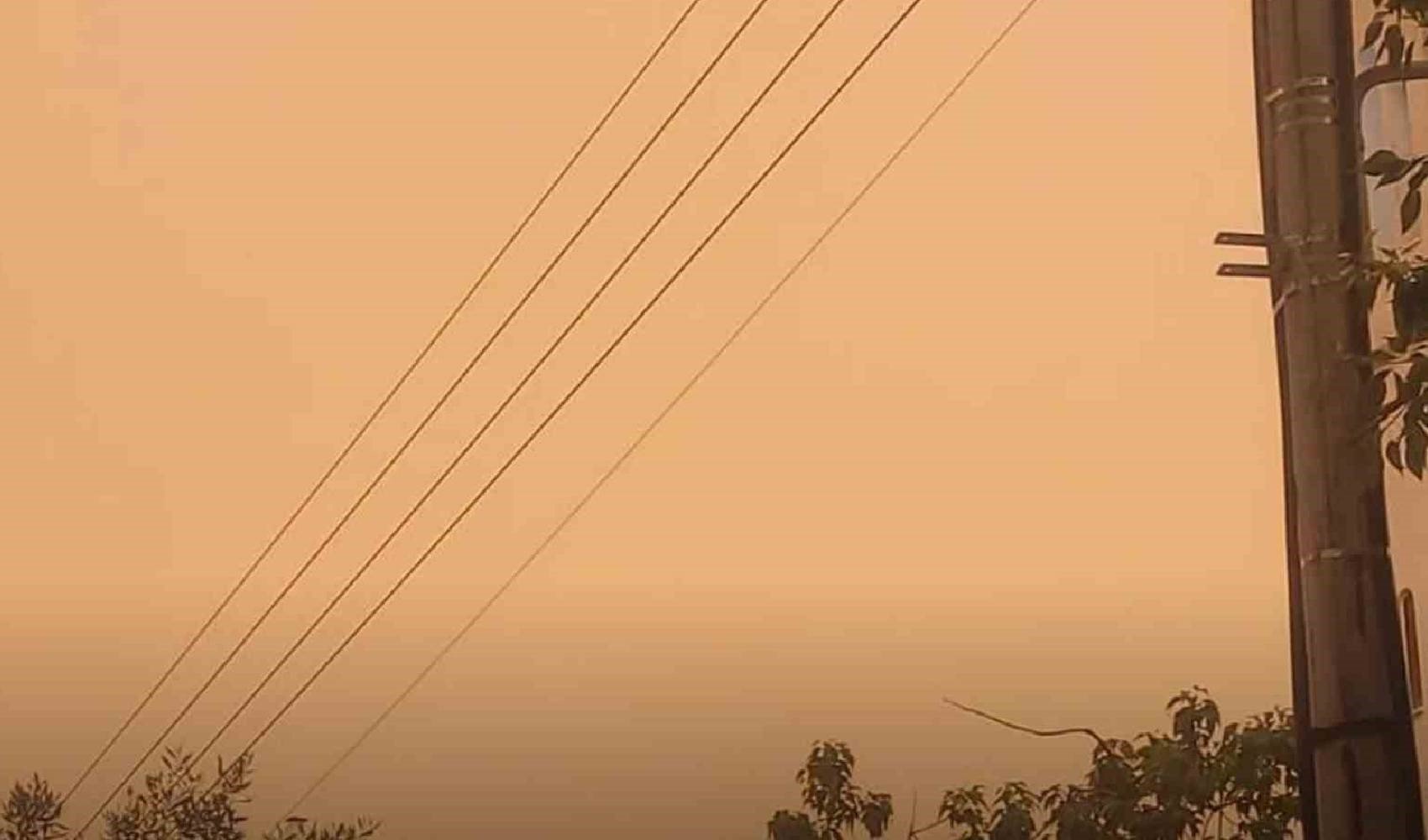
Chest Diseases Specialist Prof. Dr. Nurhan Köksal provided information regarding African desert dust. Köksal listed the precautions that should be taken.
''ESPECIALLY CHILDREN AND THOSE WITH RESPIRATORY SYSTEM DISORDERS...''
Noting that desert dust can negatively affect those with respiratory diseases, Prof. Dr. Köksal said, “On days when desert dust is intense, the health of children and those with respiratory system disorders is particularly negatively affected. In adults, especially those with respiratory failure, asthma, COPD, bronchiectasis, and respiratory tract disorders, problems emerge more significantly. Furthermore, the pediatric age group constitutes the most affected group.”
''IT CAN CAUSE RESPIRATORY TRACT INFECTIONS''
Stating that desert dust causes respiratory tract infections, Prof. Dr. Köksal said, “The presence of large amounts of desert dust in the air can cause discomfort through its direct irritating effect on mucosal surfaces, eyes, nose, and respiratory tracts. This irritating effect can be encountered more intensely, especially in individuals with an allergic constitution and those with respiratory diseases such as COPD and asthma. In situations where the amount of dust increases, the respiratory tracts of normal, healthy individuals are also affected. Beyond this irritating effect, bacteria and viruses can attach to dust particles and cause respiratory tract infections. In such cases, one reason for the increase in respiratory tract infections is that the increased amount of dust blocks sunlight and ultraviolet rays, which in turn causes microorganisms to remain in the air for a long time.”
EXPLAINED HER RECOMMENDATIONS
Prof. Dr. Köksal stated, “In order to protect our lung health under all these negative conditions, we recommend that our patients, especially those with chronic respiratory tract conditions and asthma, do not go outside unless necessary during periods of high dust density, do not ventilate their homes during these periods, and must wear masks during periods of exposure.”
News Source: İHA