
It is known that early diagnosis plays a critical role in increasing the chances of treatment for heart disease, one of the most common health problems worldwide. The homocysteine test, used to assess cardiovascular risk, holds an important place in this field.
This test provides important information regarding the risk of heart disease, stroke, and dementia by measuring homocysteine levels in the blood.
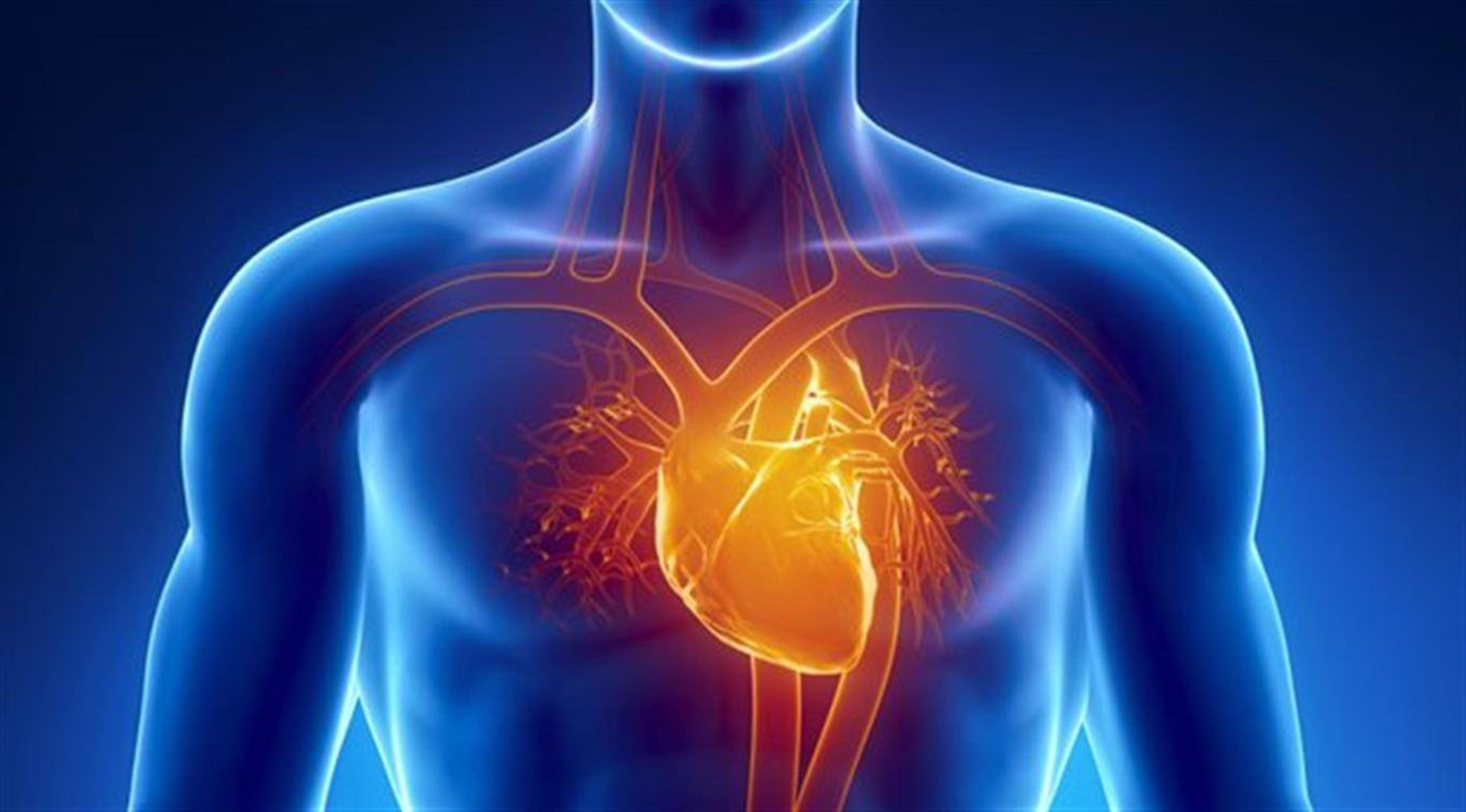
WHAT IS THE HOMOCYSTEINE TEST AND WHY IS IT PERFORMED?
Homocysteine is an amino acid produced naturally in the body and is not obtained through food. However, when its levels in the body rise above normal, it can damage vascular structures and lead to arterial blockages. This situation constitutes a risk factor for heart disease, stroke, and mental disorders.
The homocysteine test is a simple blood test commonly preferred for individuals who need a cardiovascular risk assessment. Test results serve as a guide for evaluating a person's vitamin levels, such as B6, B12, and folic acid, and for taking necessary precautions.
THE EFFECT OF VITAMIN B
One of the most important reasons for elevated homocysteine levels is a deficiency in B-group vitamins resulting from poor nutrition. Symptoms of vitamin B deficiency include dizziness, fatigue, muscle weakness, tingling in the hands and feet, memory problems, and irritability.

Consuming foods rich in folic acid, such as fruits and vegetables, can help keep homocysteine levels under control. In addition, adopting a healthy lifestyle and exercising also positively affect heart health.
FACTORS AFFECTING HOMOCYSTEINE LEVELS
Dietary habits, alcohol consumption, smoking, and physical activity levels are the primary factors affecting homocysteine levels. Research shows that chronic alcohol consumption and heavy coffee consumption can increase homocysteine levels, while regular physical activity can lower them.
Folic acid and B-group vitamin supplements are an effective method for controlling homocysteine levels in a safe and economical way. However, instead of relying solely on vitamin supplements, it is important to adopt a holistic approach through lifestyle changes such as healthy eating, regular exercise, and quitting smoking.
IMPORTANCE FOR EARLY DIAGNOSIS
The homocysteine test is an important step for early diagnosis and treatment in individuals at risk of heart disease. Preventing such risks through regular health check-ups is of vital importance for a healthy life.
Talatpaşa Laboratory Group Biochemistry Specialist Prof. Dr. Ahmet Var stated that high levels of homocysteine in the blood are a risk factor for heart disease, dementia, and stroke. Var noted that if a patient has a high risk of heart disease and shows symptoms of vitamin B deficiency, the homocysteine test should be performed.
News Source: 12punto