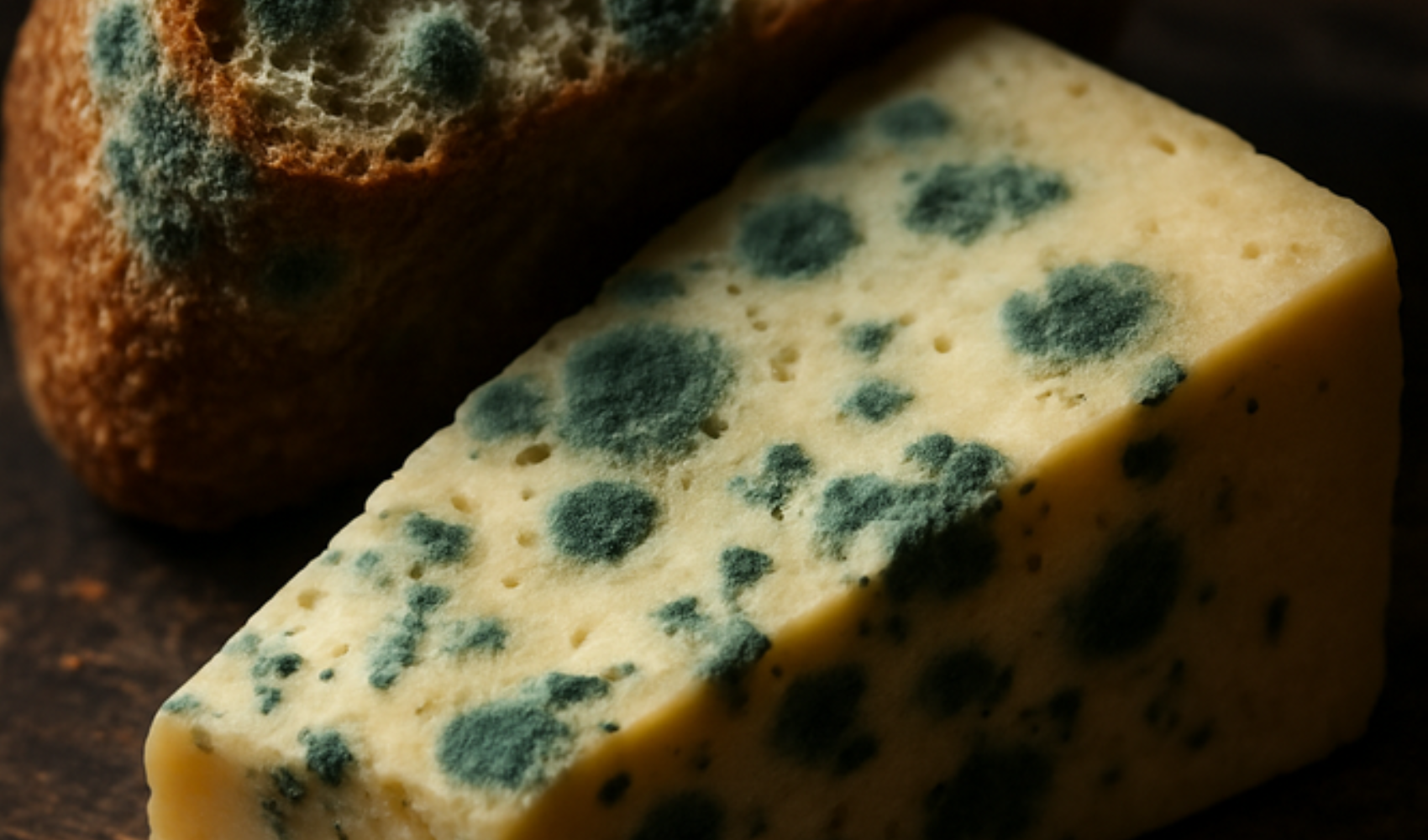
Mold is the general name for microscopic fungi that are commonly found in nature. The formation of mold on food occurs as a result of these microorganisms multiplying in environments with moisture and suitable temperatures. Green and blue spots appearing on the surface of bread, cotton-like layers observed on cheese, or molds of different colors developing on fruits and vegetables are the most prominent examples we encounter in daily life.
Mold formation is most frequently observed in bread, cheese, fruits, vegetables, and nuts. Foods left in the open and stored in humid environments, in particular, provide a breeding ground for mold fungi to multiply rapidly. When moldy foods are consumed unconsciously or without attention, both immediate and long-term health problems can arise. While digestive system ailments such as nausea, vomiting, and abdominal pain may develop in the acute phase, more serious diseases can be seen in the long term due to the accumulation of toxins in the body.
WHAT SHOULD BE DONE IF MOLDY FOOD IS EATEN?
If a person accidentally consumes moldy food, they should first spit out any remaining pieces in their mouth and rinse their mouth thoroughly with water. If abdominal pain, nausea, dizziness, or allergic symptoms (such as rashes or shortness of breath) occur within a few hours after consuming moldy food, the nearest healthcare facility should be consulted without delay. As first aid, it is recommended to drink plenty of water at home, not to attempt to induce vomiting, and to closely observe the symptoms. Experts emphasize that those with chronic illnesses, children, and the elderly should be particularly careful in this regard.
Among the most common health problems that moldy food can cause are mushroom poisoning, allergic reactions, respiratory tract ailments, and even serious diseases that can lead to cancer.
Mycotoxins produced by mold fungi can weaken the immune system and damage vital organs such as the liver and kidneys. The World Health Organization states that a mycotoxin called aflatoxin, in particular, can pave the way for liver cancer with long-term exposure. Children, the elderly, and individuals with weakened immune systems are more sensitive to these risks.
Proper storage of food is of great importance to protect against the risk of mold. Purchased products should be stored in a cool and dry environment, and opened or exposed food should be consumed in a short time. During grocery shopping, attention should be paid to the expiration dates and the integrity of the packaging; at home, the refrigerator should be checked regularly, and foods that have spoiled, softened, or have traces of mold on them should be disposed of immediately. Experts emphasize that vegetables and fruits to be consumed should be washed thoroughly, and any cracked or bruised parts should be discarded.
Developing conscious consumption habits helps protect health while reducing food waste. Taking precautions against moldy food and knowing the risks are steps that should not be neglected to improve quality of life.
News Source: 12punto