



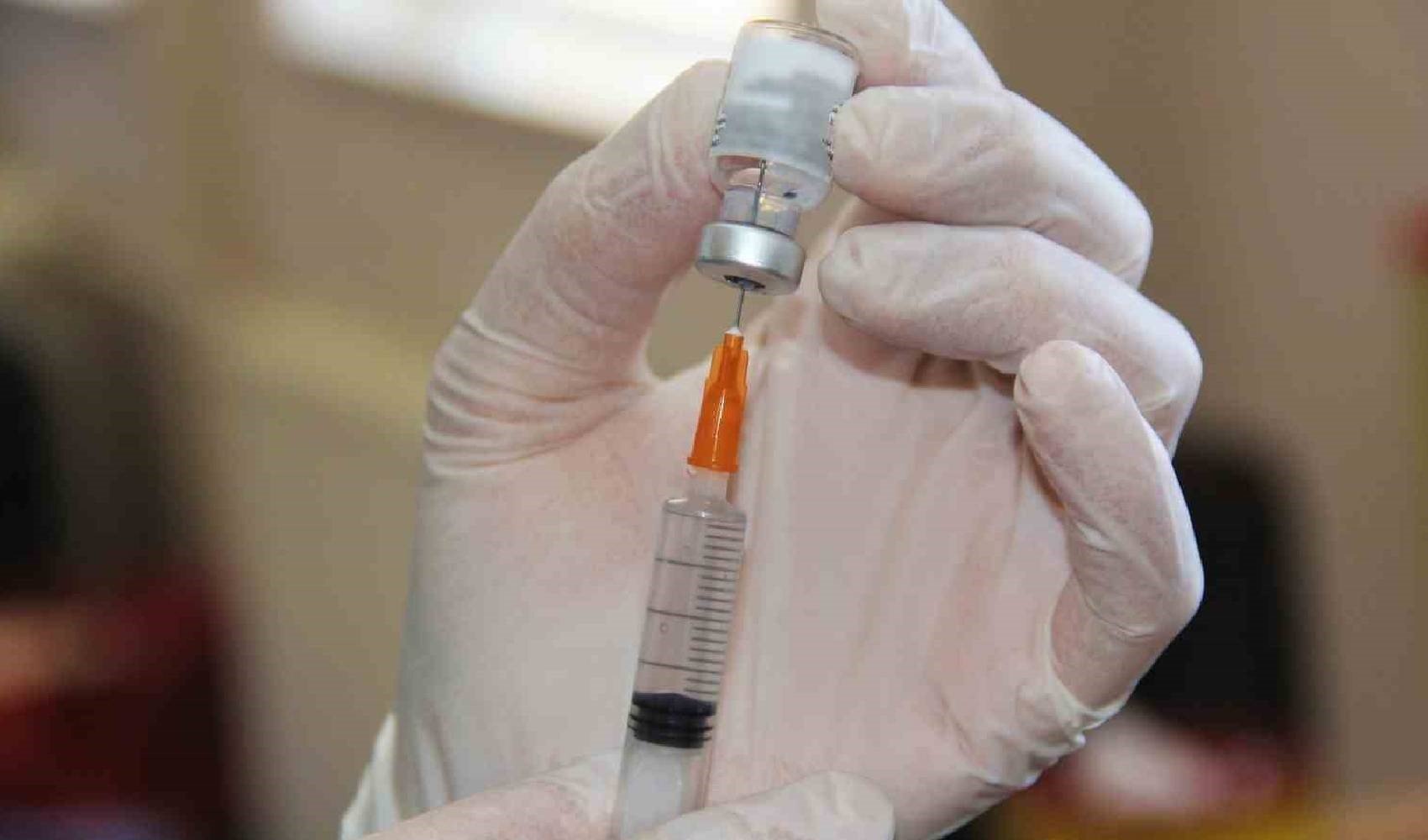
Stating that everyone contracts at least one type of HPV at some point in their life, Assistant Professor Saadet Ünsal said, “Most HPV infections resolve on their own over time. However, sometimes HPV infections last longer and can cause cancer later in life. Most HPV infections are temporary and usually progress without symptoms. The most effective and reliable method for protection against infection is the HPV vaccine.”
Assistant Professor Saadet Ünsal issued a warning against HPV, which is among the most common infections.
Assistant Professor Ünsal stated that the human papillomavirus (HPV) is a DNA virus found in the Papillomaviridae family, noting, “The human papillomavirus, which has more than 200 varieties, is one of the types of viruses that cause sexually transmitted diseases. While approximately 40 varieties of the highly contagious human papillomavirus cause genital warts, some types cause cancer. Almost all people are infected with at least one type of HPV at some point in their lives. Most HPV infections resolve on their own over time. However, sometimes HPV infections last longer and can cause cancer later in life. Most HPV infections are temporary and usually progress without symptoms.”
''PROTECTS THE BODY AGAINST THE VIRUS''
Pointing out that the most effective and reliable method for protection against infection is the HPV vaccine, Assistant Professor Ünsal provided the following information:
“Getting vaccinated at the recommended doses within the appropriate age range prevents HPV and the diseases it causes, and protects the body against the virus. Current HPV vaccines provide protection against two, four, or nine types of HPV. All HPV vaccines provide protection against HPV types 16 and 18, which cause the greatest risk of cervical cancer. It is estimated that HPV vaccines can prevent 70 percent of cervical cancers, 80 percent of anal cancers, 60 percent of vaginal cancers, 40 percent of vulvar cancers, and show more than 90 percent effectiveness in preventing HPV-positive oropharyngeal cancers. Furthermore, quadrivalent and nonavalent vaccines, which provide protection against HPV types, also prevent some genital warts. HPV-6 and HPV-11 provide greater protection.”
''VACCINATION OF GIRLS AGED 9 TO 13 IS RECOMMENDED''
Assistant Professor Ünsal mentioned that vaccine doses are adjusted individually, continuing as follows:
“The World Health Organization recommends HPV vaccines as part of routine vaccinations in all countries along with other preventive measures. Vaccines require two or three doses depending on the person's age and immune status. In current healthcare practices, it is recommended that the HPV vaccine be administered before the first sexual intercourse and before the age of 25. Two doses of the HPV vaccine are recommended for individuals who receive their first vaccine before their 15th birthday. The second dose of the HPV vaccine is administered 6 to 12 months after the first dose. Three doses of the HPV vaccine are recommended for individuals who receive their first vaccine between the ages of 15 and 26, and for immunocompromised individuals. Three doses are also recommended for immunocompromised individuals (including those with HIV infection) between the ages of 9 and 26. While it is recommended to wait 1 to 2 months for the second dose after the first, a 6-month wait is expected for the third dose of the vaccine. Typically, vaccination of girls aged 9 to 13 is recommended. Vaccines provide protection for at least 5 to 10 years. Cervical cancer screening is still necessary after vaccination. Vaccination of a large portion of the population can also benefit those who have not been vaccinated. Pain at the injection site occurs in approximately 80 percent of people. Redness, swelling, and fever may also occur in the area. It is not yet included in the national vaccination calendar in our country. The Ministry of Health is working on this issue.”
News Source: İHA









