
Pesticides are chemical substances used in agriculture to eliminate harmful insects, weeds, and fungi. Children are much more sensitive to pesticides due to their developing immune and nervous systems; these substances can lead to learning disabilities, attention deficit, and hormonal disorders in children.
Prof. Dr. Barış Malbora, a Pediatric Hematology and Oncology Specialist at Yeni Yüzyıl University Gaziosmanpaşa Hospital, made important statements, noting that children's exposure to pesticides can negatively affect their immune systems and be linked to certain types of cancer.

HOW ARE YOUNG CHILDREN EXPOSED TO PESTICIDES?
Young children can be exposed to pesticides (agricultural chemicals) in various ways. One of the most common forms of exposure is the presence of pesticide residues in fruits, vegetables, and grains; pesticides can enter children's bodies, especially through the consumption of products that have not been washed well or peeled. Additionally, pesticides in the bodies of breastfeeding mothers can reach infants through breast milk. Pesticides can also seep from agricultural fields and mix into drinking water; this poses a risk, especially for well and spring water in rural areas.
Exposure through inhalation can occur when children breathe in chemicals in the air in areas where pesticide sprays are applied, or by inhaling dried pesticide residues carried by the wind. Dermal exposure is another significant route; children who come into contact with toys, carpets, surfaces, or pets and plants contaminated with pesticides can be directly exposed to these chemicals.
Insecticides and plant sprays used in home and garden environments can also increase exposure by being in places easily accessible to children. Finally, pesticides carried home by agricultural worker parents on their clothes or shoes can indirectly contaminate children. All these routes increase the sensitivity of young children to pesticides and bring health risks with them.
WHY ARE CHILDREN MORE SENSITIVE TO PESTICIDES?
There are several important reasons why children are more sensitive to pesticides. First, because children's body weight is much lower than that of adults, the same amount of pesticide exposure creates a higher dose effect in their bodies. Furthermore, children's organ systems, especially the nervous system, hormone balance, and immune system, are still in the development stage and are therefore more vulnerable to the negative effects of pesticides; these effects can lead to permanent health problems.
In addition to this, children's behavioral characteristics also increase exposure; for example, frequently putting their hands in their mouths and playing on the ground increases the risk of pesticides entering their bodies. All these factors are the fundamental reasons why children are more sensitive to pesticides.
CAN PESTICIDES BE TRANSMITTED FROM MOTHER TO CHILD THROUGH THE WOMB AND BREASTFEEDING?
Pesticides can be transmitted from mother to child both during pregnancy (in utero) and through breastfeeding. Especially fat-soluble and long-lasting pesticides can cross the placenta to reach the fetus and can be transmitted to the baby through breast milk.
During pregnancy, some pesticides (e.g., organochlorine compounds and some organophosphates) pass into the fetus's bloodstream; this has been associated with low birth weight, neurological development problems, and hormonal disorders. During the breastfeeding period, organochlorine compounds pass into breast milk and can be transferred to the baby.
Although the World Health Organization and UNICEF emphasize that the benefits of breast milk generally outweigh the risk of pesticides, caution should be exercised, especially in the case of agricultural worker mothers.
While organochlorines pass through both the placenta and breast milk, organophosphates show more transition through the placenta. Pyrethroids have limited transition, while the transition of herbicides is debated.
WHAT DISEASES AND HEALTH PROBLEMS DOES PESTICIDE EXPOSURE CAUSE?
Pesticide exposure can lead to serious health problems in the short and long term. Sensitive groups such as children, pregnant women, the elderly, and agricultural workers are at higher risk. When exposed to high doses of pesticides, acute poisoning symptoms such as shortness of breath, nausea, muscle twitching, loss of consciousness, and skin irritation can be seen.
Excessive exposure can lead to fatal consequences such as respiratory failure. For example, acute pesticide poisoning seen in agricultural workers causes thousands of deaths worldwide every year (WHO data).
Low-dose but continuous pesticide exposure can lead to serious diseases such as cancer, neurological and hormonal disorders in the long term. Some pesticides, such as glyphosate and malathion, have been classified as "probably carcinogenic" by the International Agency for Research on Cancer (IARC).
These chemicals are linked to types of cancer such as leukemia, lymphoma, and brain tumors. They are also linked to neurological diseases such as Parkinson's, Alzheimer's, ADHD, learning disabilities, and low IQ. Some pesticides, such as chlorpyrifos, can cause neurodevelopmental disorders in children.
Some pesticides affect the hormone system, leading to thyroid disorders, diabetes, early puberty, fertility problems, and birth defects. These substances mimic hormones and disrupt the estrogen/testosterone balance in the body. At the same time, they can weaken the immune system, causing autoimmune diseases, asthma, and liver-kidney damage.
Children are more sensitive to pesticides because they are in their developmental stages. Effects such as developmental delays, autism spectrum disorders, and behavioral problems are linked to exposure in the womb. A UC Berkeley study showed that the IQ levels of children exposed to pesticides were on average 7 points lower.
Different types of pesticides are linked to different diseases. For example, organophosphates (chlorpyrifos, malathion) can lead to neurotoxicity and Parkinson's, organochlorines (DDT, lindane) to cancer and hormonal disorders, and herbicides like glyphosate to lymphoma.

IS THERE AN INCREASE IN PESTICIDE EXPOSURE IN TURKEY?
Pesticide use in Turkey has shown a significant increase in recent years. According to TUIK data, agricultural pesticide use, which was 45 thousand tons in 2010, reached 63 thousand tons in 2023. Among the most used are herbicides containing glyphosate, fungicides, and insecticides. In parallel with this increase, residues above the limit are frequently encountered in food; warnings about pesticide residues in strawberries, grapes, peppers, and greens are particularly noteworthy.
The increase in cancer cases in agricultural regions and the observation of neurological effects such as attention deficit and learning disabilities in children increase concerns about the health effects of pesticide exposure.
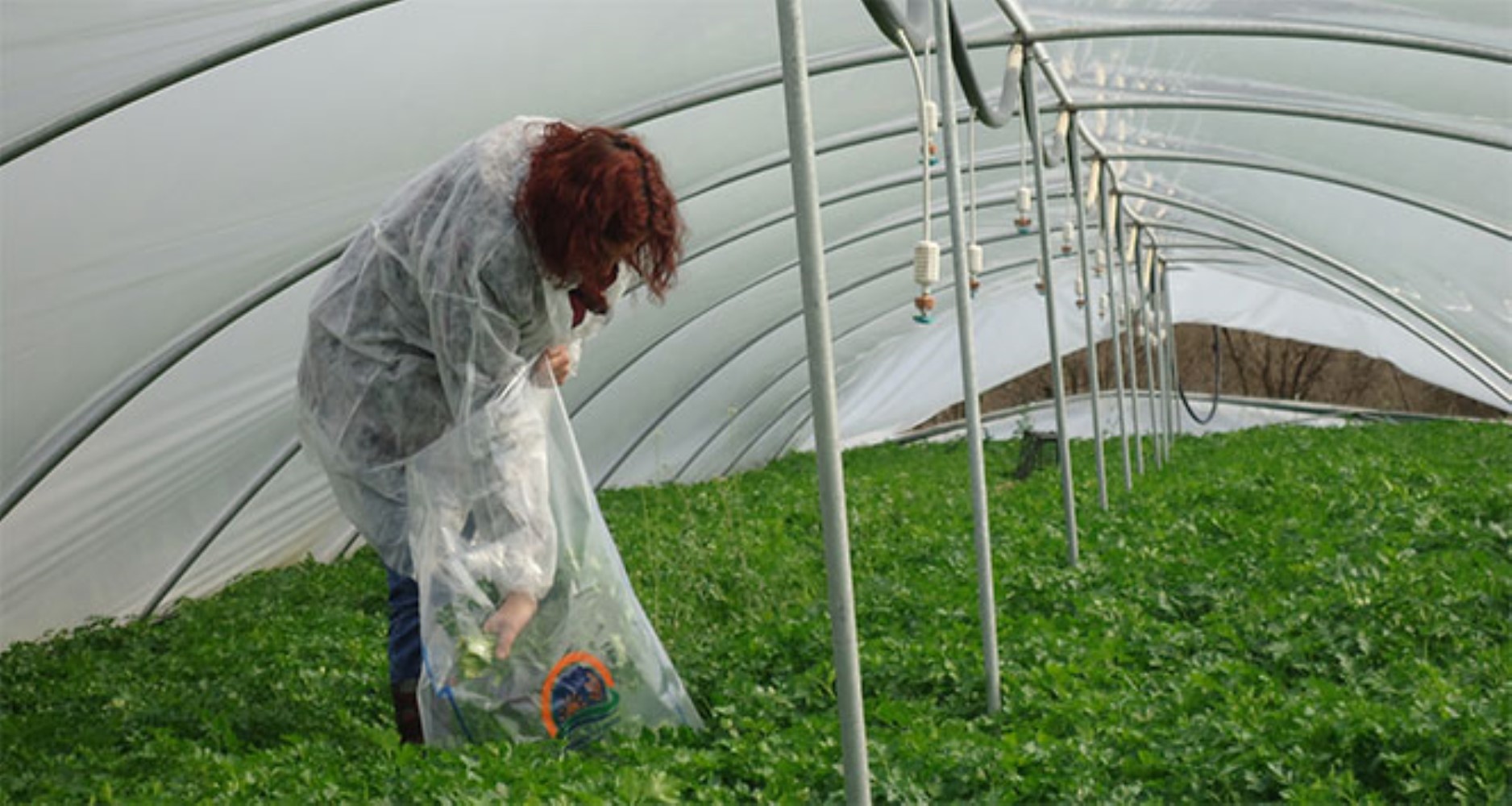
Seasonal agricultural workers stand out as the highest-risk group due to a lack of training and equipment. Every year, hundreds of workers apply to hospitals due to pesticide poisoning. The spread of industrial agriculture, lack of inspections, and farmers' unconscious use of pesticides deepen this picture. Although some pesticides are banned in Turkey, the rate of organic farming is still at a low level. Experts point out that stricter inspections, the promotion of organic farming, and public awareness-raising efforts are needed to reduce pesticide exposure.
WHAT SHOULD BE DONE TO REDUCE PESTICIDE EXPOSURE?
Being careful, especially in food selection, is of great importance to reduce pesticide exposure. Organic choices should be made if possible for products with a high risk of residue such as strawberries, spinach, and apples; vegetables and fruits should be washed thoroughly by soaking them in water with baking soda or vinegar, or consumed by peeling. Choosing seasonal, local products also reduces the risk. Natural solutions can be used at home instead of chemical insecticides; effective and safe ways can be followed against pests with substances such as lavender, peppermint oil, and borax.
Since children and pregnant women are more sensitive to pesticides, special precautions should be taken; especially baby food should be chosen as organic, and sprayed areas should be avoided. Agricultural workers should use protective equipment, and drinking water sources should be checked with regular analyses. On a societal scale, it is necessary to support organic markets, demand pesticide-free agricultural projects from municipalities, and closely follow the inspections of the Ministry of Agriculture.
5 MOST EFFECTIVE PRECAUTIONS TO PROTECT AGAINST PESTICIDES
1. Consume organic food.
2. Wash vegetables and fruits with water containing baking soda/vinegar or eat them by peeling.
3. Use natural methods at home instead of chemical insecticides.
4. If you are an agricultural worker, wear protective equipment (mask, gloves).
5. Have your water sources tested and use a purifier.
Remember: Although it is not possible to avoid pesticides completely, you can reduce exposure by up to 90%. You can prevent long-term health risks with small changes.
News Source: 12punto