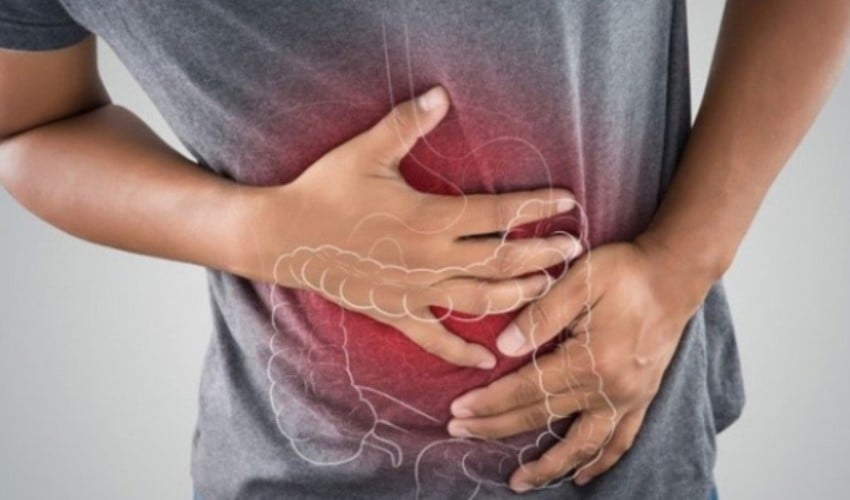
Dr. Özge Ünlü provided information about the communities of microorganisms that we share our bodies with and that benefit our health in many ways.
Stating that these organism communities are called microbiota or normal flora, Özge Ünlü said, "Our intestines constitute the most cosmopolitan and dense area in terms of microbiota content.
The benefits of our microbiota, such as the absorption of nutrients, the synthesis of various vitamins, and the prevention of pathogenic microorganisms from settling in the area they inhabit, have been known for a long time. However, studies conducted in recent years show that our intestines also have significant effects on our psychology," she said.
Expressing that there is evidence that microbial-derived products in the gut regulate the production of serotonin, known among the public as the happiness hormone, and that this affects body metabolism, Ünlü continued her words as follows: "The fact that our intestines are connected to millions of nerve cells and can perform functions such as intestinal motility and hormone secretion independently of the central nervous system reveals why our intestines are called the second brain."
SECOND BRAIN
Ünlü stated that when we are excited, anxious, or exposed to emotions such as stress and fear, our intestines are quickly affected and can be seen to react with symptoms such as cramps or diarrhea, adding, "Previously, it was thought that these mood changes were affected by the intestines, but today there are many studies suggesting that problems in our digestive system guide our psychology.
There is evidence that people dealing with similar mental health problems have different gut microbiota content compared to healthy individuals.
The effects of the microbiota on many diseases, such as weight gain/loss, insulin resistance, diabetes, allergies, obesity, and skin disorders, in addition to psychological disorders, have led to the gut being evaluated today not as a passive organ, but as an active 'second brain'," she said.
DREW ATTENTION TO BENEFICIAL BACTERIA
Stating that this brings up the question of 'what can we do to protect our gut health and increase the number of beneficial bacteria in our gut', Ünlü said that our body is considered sterile before birth and that we first encounter microorganisms intensively at the moment of birth.
Explaining that some of the microorganisms encountered later through air, food, and contact settle in various parts of the body and that our permanent microbiota forms over time depending on environmental conditions, Ünlü concluded her words as follows:
"Studies showing that babies fed with breast milk have a different gut microbiota than babies fed with formula reveal the extent to which our gut microbiota is affected by nutrition.
In fact, as Turkish people, we are not strangers to food items such as homemade yogurt that contain beneficial bacteria, which we call probiotics. By including these items more in our daily diet and using supplements when necessary, we can help protect our gut health."
News Source: İHA