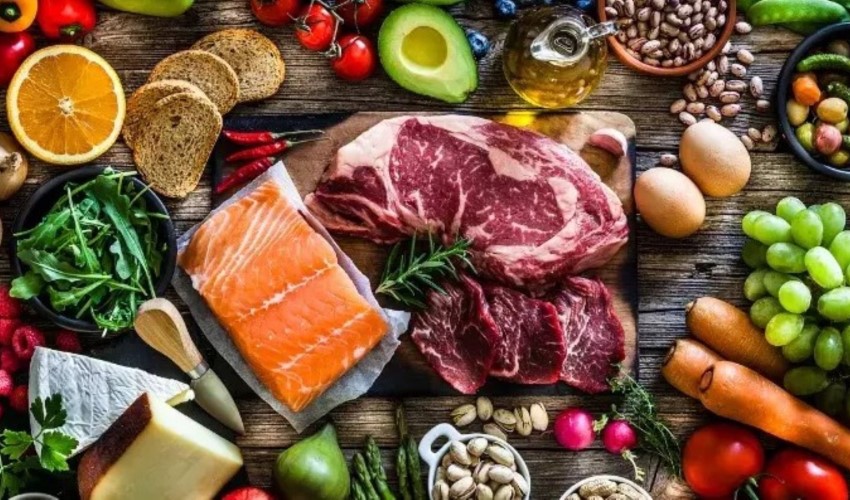
Stating that physical activity decreases and sedentary time increases during the winter season due to spending more time indoors and longer nights, Nutrition and Diet Specialist Hande Güngör said, "Unwanted changes in body weight can occur due to the increased preference for fatty and sugary foods and a tendency toward snacking.
For this reason, 'obesity,' which is defined as excess fat accumulation in the body and causes many chronic diseases, is on the rise. However, it is important to maintain an ideal weight through healthy, seasonal nutrition to sustain a healthy life.
Due to the decreasing air temperature in winter, it is necessary to consume enough fluids to maintain body temperature. At least 2-2.5 liters of water should be consumed daily, and beverages such as linden tea, sage tea, rosehip tea, and light tea should be preferred to meet fluid intake," she said.
2 SERVINGS OF FRUIT AND 3 SERVINGS OF VEGETABLES SHOULD BE CONSUMED
Expressing that a diet rich in vitamins A, C, D, and E contributes significantly to the immune system against the increasing number of colds and other infections in the winter season, Güngör said, "It is recommended to consume at least 2 servings of fruit and 3 servings of vegetables per day, in accordance with the season.
During these months, it is recommended to choose vegetables such as carrots, broccoli, zucchini, cabbage, cauliflower, leeks, and parsley, and fruits such as oranges, tangerines, and apples.
In addition, legumes and nuts, which are sources of vitamin E, should be included in the daily diet in a sufficient and balanced manner. Legumes such as chickpeas, dried beans, lentils, and kidney beans should be consumed 2-3 times a week, and 20-30 grams of nuts such as walnuts, almonds, and hazelnuts should be consumed daily," she said.
PAY ATTENTION TO VITAMIN D INTAKE
Stating that vitamin D, which is important for bone and dental health, is a vitamin produced by the skin through sunlight, Güngör made the following statements;
"However, the lack of sunlight in the winter months causes the body's need for vitamin D to go unmet. Although vitamin D cannot be actively met from food, fish contains vitamin D, polyunsaturated fatty acids (omega-3) necessary for the development of brain functions, as well as calcium, phosphorus, selenium, iodine minerals, and vitamin E. For this reason, fish should be consumed 2-3 times a week during the winter months.
In winter, consumption of high-fat foods should be avoided; margarine, butter, fatty meats, and offal products containing high cholesterol should not be consumed frequently, and olive oil, oilseeds, and nuts containing healthy fatty acids should be consumed in appropriate and sufficient portions. It is observed that there is an increased tendency toward sugary foods and desserts containing simple carbohydrates during this season.
According to the World Health Organization's recommendation, daily sugar intake should constitute at most 10 percent of total energy intake and should be reduced even further if possible. In a healthy lifestyle, instead of simple sugars, complex carbohydrates such as whole wheat bread, grains like bulgur, legumes, fruits, and homemade products prepared using healthy cooking methods, such as milk-based or fruit-based desserts with reduced sugar, should be preferred."
PAY ATTENTION TO COOKING METHODS
Pointing out that the production and consumption of homemade traditional foods prepared using healthy cooking methods are increasing in the winter months in terms of healthy nutrition, Güngör said, "Traditional homemade foods prepared with traditional food preparation techniques used in months when food is abundant, whether in winter or summer, are products based on basic processing and preparation methods, do not contain artificial preservatives and additives, are natural, and do not have long shelf lives compared to today's processed products.
With the goal of preventing obesity, which is among today's major health problems, homemade healthy production should be encouraged, and children, in particular, should be made aware of consuming homemade healthy foods instead of ready-made and packaged foods.
In order to reduce the challenging effects of nature, the continuity of a cultural heritage that transforms food products—which are accessible when they are abundant and economical in their season—into different foods in healthy and local ways, mostly by utilizing the sun's heat without polluting the soil and the product, and the continuation of social solidarity are significantly important for local production, healthy living, and healthy nutrition," she said.
News Source: İHA