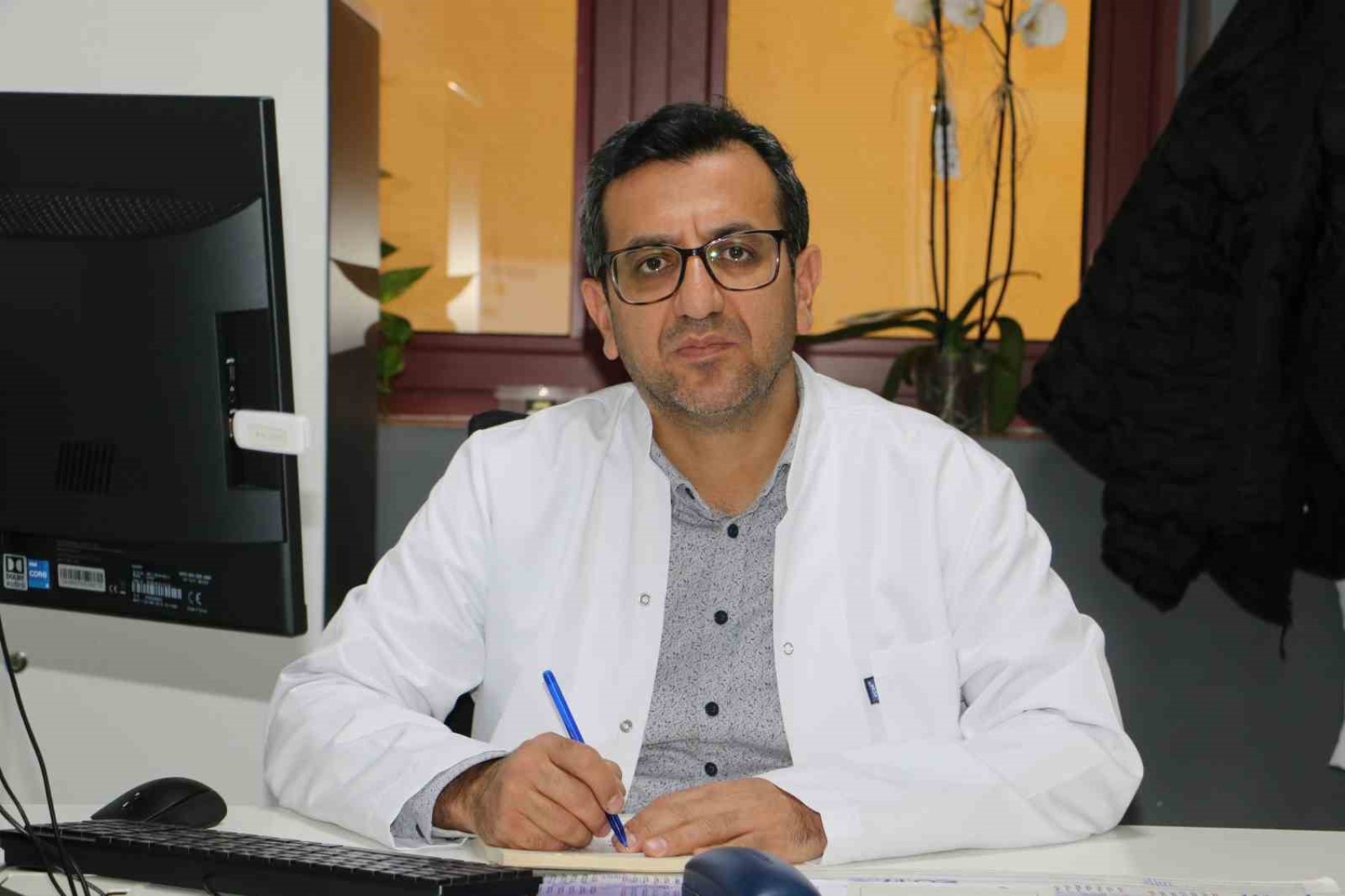
With the arrival of the month of Ramadan, while those with chronic illnesses are in doubt about whether they can fast, Assoc. Prof. Dr. Mehmet Güven, an Internal Medicine, Endocrinology and Metabolism Diseases Specialist at Diyarbakır Gazi Yaşargil Training and Research Hospital, pointed out that diabetic patients should fast under physician supervision.
SHOULD DIABETIC, HEART, AND HYPERTENSION PATIENTS FAST?
Stating that patients whose blood sugar is stable and who use medications that do not lower blood sugar are allowed to fast, Assoc. Prof. Dr. Güven said, "Our diabetic, heart, and hypertension patients must consult a physician at a healthcare institution before fasting during the month of Ramadan. They should learn whether their own illness is an obstacle to fasting or not. Because diabetic patients may have uncontrolled blood sugar, and hypertension patients may have uncontrolled blood pressure. Therefore, it may be harmful for the patient to fast. We allow our patients whose blood sugar is stable and who use medications that do not lower blood sugar to fast during the month of Ramadan. Other than that, we do not highly recommend fasting during Ramadan for our elderly patients who are prone to low blood sugar, or patients who could harm themselves if their blood sugar drops."
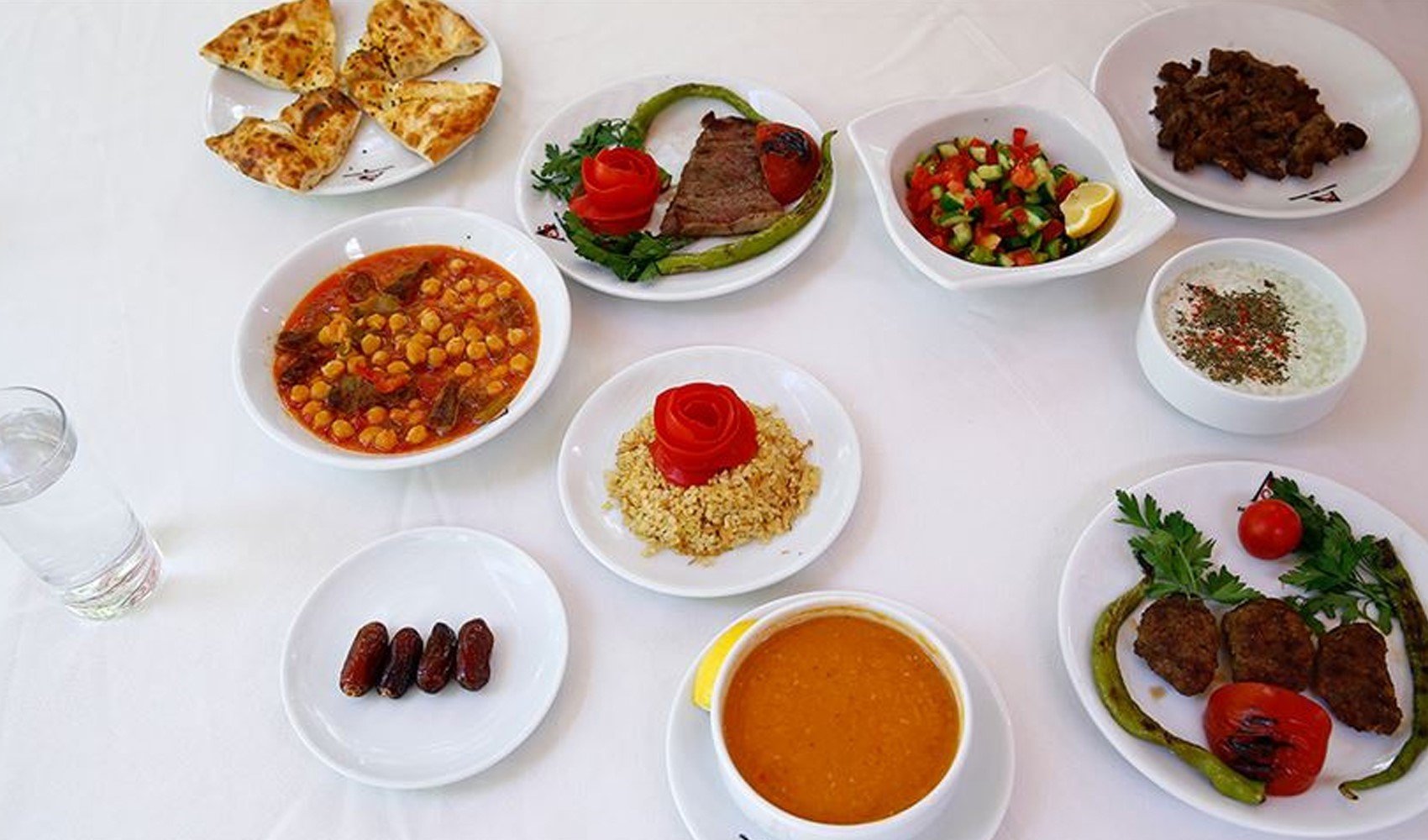
"WE RECOMMEND EATING LITTLE BY LITTLE AT IFTAR"
Warning that one should not load up on food all at once at iftar time, Güven said, "Because when we eat heavily, our blood sugar rises rapidly. Afterwards, drowsiness sets in and it can cause reflux and stomach complaints. In addition, our diabetic patients' blood sugar can reach high levels after iftar. This can lead to serious sugar-related illnesses that can reach the point of a diabetic coma. For this reason, we recommend eating little by little at iftar. Our patients should attach importance to consuming vegetables and fruits. Especially spicy and hot foods should be avoided. If our diabetic patients have controlled blood sugar and have been allowed by their physician to fast during the month of Ramadan, they must pay attention to their nutrition."
"IF SAHUR IS NOT EATEN..."
Stating that patients must have sahur, Güven concluded with the following:
"Our patients remain hungry for a long time. If sahur is not eaten, our blood sugar can drop faster. Our blood pressure may drop and we may not be able to remain resilient. We may experience discomfort throughout the day. Therefore, we must definitely eat something at sahur. We must consume at least 2 liters of fluid. We need to pay attention to these both for kidney functions and for the body's metabolism."
News Source: İHA