
What is Vitamin D?
Vitamin D is a vitamin that helps regulate the body's absorption of calcium and phosphorus. It is essential for healthy bones, teeth, and muscles. Sunlight is its main source; the body produces Vitamin D when exposed to sunlight. It is also found in some foods (for example, fish, egg yolks, and dairy products). Vitamin D deficiency can lead to health problems such as bone weakness, rickets, and osteoporosis.
 What are the symptoms of Vitamin D deficiency?
In cases of low Vitamin D, symptoms that emerge include muscle and bone pain, fatigue, skin pallor, hair loss, headaches, inability to warm the hands and feet, getting sick more frequently, and insomnia. In cases of long-term and severe Vitamin D deficiency, loss of bone density, osteoporosis, and fractures may also be seen. Rickets, seen in children, is also a symptom of long-term and severe Vitamin D deficiency.
Symptoms of Vitamin D deficiency that manifest with muscle and bone problems include the following:
Muscle and bone pain
Weakening of the immune system (getting sick more often)
Fatigue and weakness
Tingling or a pins-and-needles sensation in the hands or feet
Pallor in skin color
Constant feeling of cold
Mood changes such as depression
Insomnia
Hair loss
Headache
Muscle weakness, especially in the shoulders or thighs
 How is Vitamin D deficiency treated?
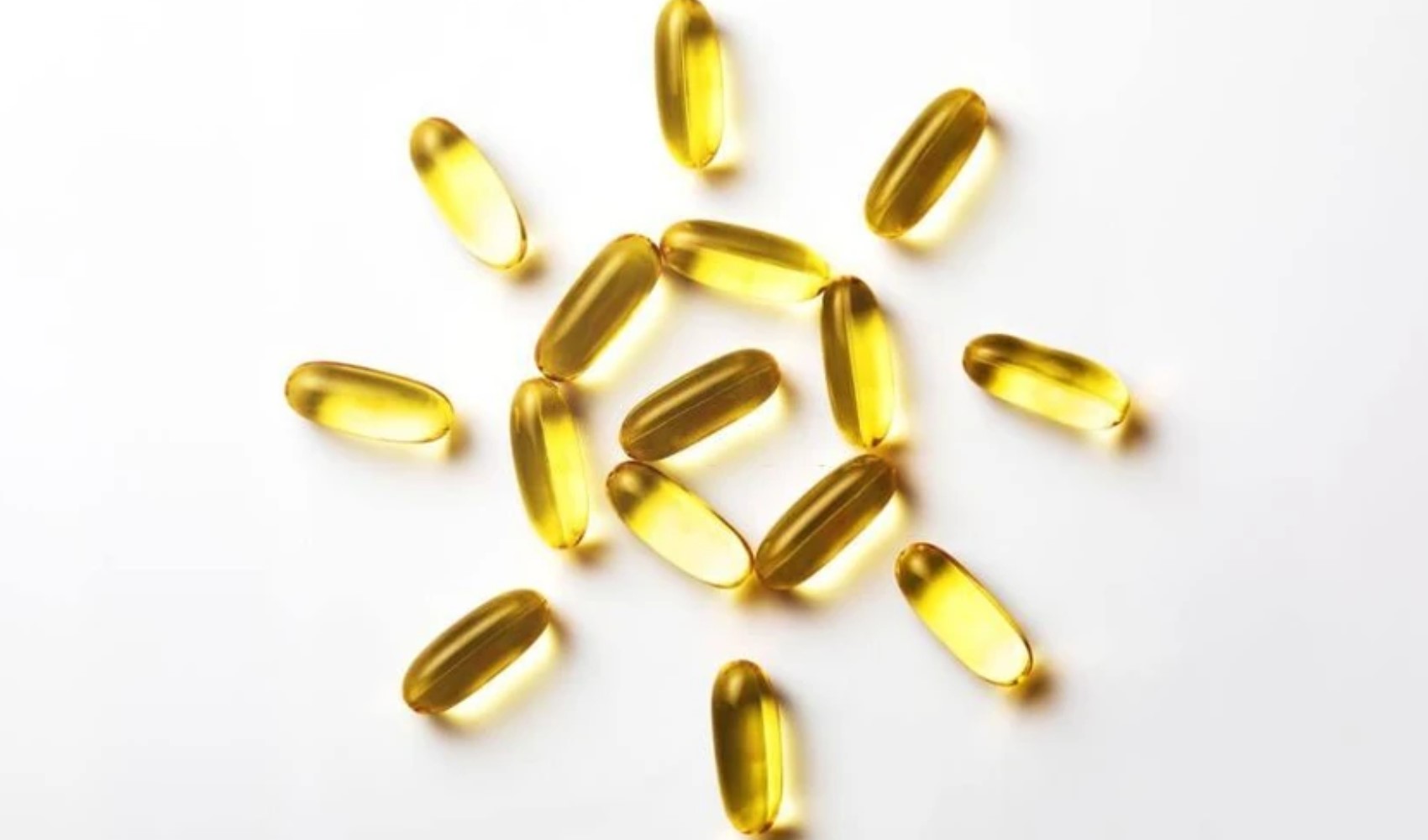
If Vitamin D deficiency does not cause serious symptoms and the serum 25-hydroxy Vitamin D level is near the borderline low, the problem can be resolved by consuming foods rich in Vitamin D in the diet and taking Vitamin D supplements. However, Vitamin D deficiency, especially in the early stages of life, can lead to serious problems. In this case, it is very important to treat the patient's Vitamin D deficiency. In children with Vitamin D deficiency:
If under 3 months old, 2000 IU of Vitamin D per day for 90 days,
For 3-12 months old, 2000 IU per day for 90 days or 50,000 IU of Vitamin D as a single dose,
For the 1-12 age range, 3000-6000 IU for 90 days or 100,000 IU of Vitamin D as a single dose,
For those older than 12 years, it is treated by giving 6000 IU for 90 days or 150,000 IU of Vitamin D as a single dose. These are treatment doses. In addition to this, daily maintenance doses must also be added.
In our country, to prevent Vitamin D deficiency and the problems it may cause, free Vitamin D support has been provided to newborns at a rate of 400 IU per day since May 2005.
One ampoule of Vitamin D contains 150,000 IU of Vitamin D. One drop contains 150 IU of vitamin. Babies are given approximately 3 drops daily. The support continues until the age of 1. To date, support has been provided to more than 15 million babies. In a study conducted by the Ministry of Health, the rate of Vitamin D deficiency was determined to be 80% in mothers and approximately 40% in babies. These figures reveal how important the provided Vitamin D support is.
Source: Medicana Health Group
News Source: 12punto