
Celiac disease is a common condition with an increasing incidence every day. In many countries around the world, one in every 70 to 200 people has this disease.

WHAT IS CELIAC DISEASE?
Celiac disease is a health problem that occurs when cells in the small intestine are damaged as a result of consuming gluten-containing foods such as barley, wheat, and rye. It is estimated that this disease is seen in one in every 200 people worldwide. When gluten-containing grains are consumed, the immune system perceives these substances as harmful and begins to attack the intestinal cells. Over time, the intestine becomes unable to perform its normal functions, and celiac disease develops.
Our immune system tries to protect the body by producing antibodies against harmful substances such as bacteria and viruses. However, sometimes the body can also produce antibodies against substances that could be beneficial. In celiac disease, antibodies produced against the protein called gluten cause damage to the small intestines and lead to the progression of the disease.
In celiac disease, finger-like projections called villi, which are located in the small intestine and provide nutrient absorption, are damaged. These changes negatively affect the digestion and absorption of nutrients in the intestinal mucosa. In particular, the absorption of nutrients necessary for blood production, such as iron and folic acid, is impaired.
In older ages, the symptoms of the disease can spread over a wider range. There is no definitive cure for celiac disease, but it is possible to prevent damage to the intestine and eliminate complaints by removing gluten-containing foods from the diet.

What are the symptoms of celiac disease?
When celiac patients consume gluten-containing foods, they experience symptoms such as chronic diarrhea or constipation, weight loss, bloating and gas in the stomach, abdominal pain, anemia, and associated fatigue, as well as dry eyes.
Approximately one-third of adult patients experience diarrhea, and the symptoms can be listed as follows:
Weight loss
Abdominal bloating
Chronic diarrhea
Nausea, vomiting
Fatigue and weakness
Growth retardation and short stature
Bone or joint pain
Constipation
Unexplained iron deficiency anemia
Arthritis
Osteoporosis or osteopenia (bone loss)
Liver and biliary tract diseases
Depression or anxiety
Peripheral neuropathy (tingling, numbness, or pain in the hands and feet) or migraine
Menstrual irregularity, infertility, or recurrent miscarriage in women
Mouth sores
Itchy skin rash
Frequent, large, and foul-smelling stools (feces)
How is celiac disease treated?
The treatment for celiac disease is for the person to adopt a diet free from gluten-containing foods such as wheat, barley, rye, and oats throughout their life. It is very important to consider that even a small amount of gluten can cause harm. Since it is possible to encounter gluten in various products, the ingredients of foods in the market should be checked carefully. As it is the only effective treatment method, a gluten-free diet must be maintained for life.
With the start of the diet, clinical findings improve within 24 hours, appetite increases, weight gain is achieved in a few months, the progression of damage to the intestinal mucosa is prevented within 3-14 days, and complete healing and the start of nutrient absorption occur within 3-6 months in children and 1-2 years in adults. Additionally, medium-chain fatty acids can be added to infant formulas and to the meals of children and adults to increase energy.
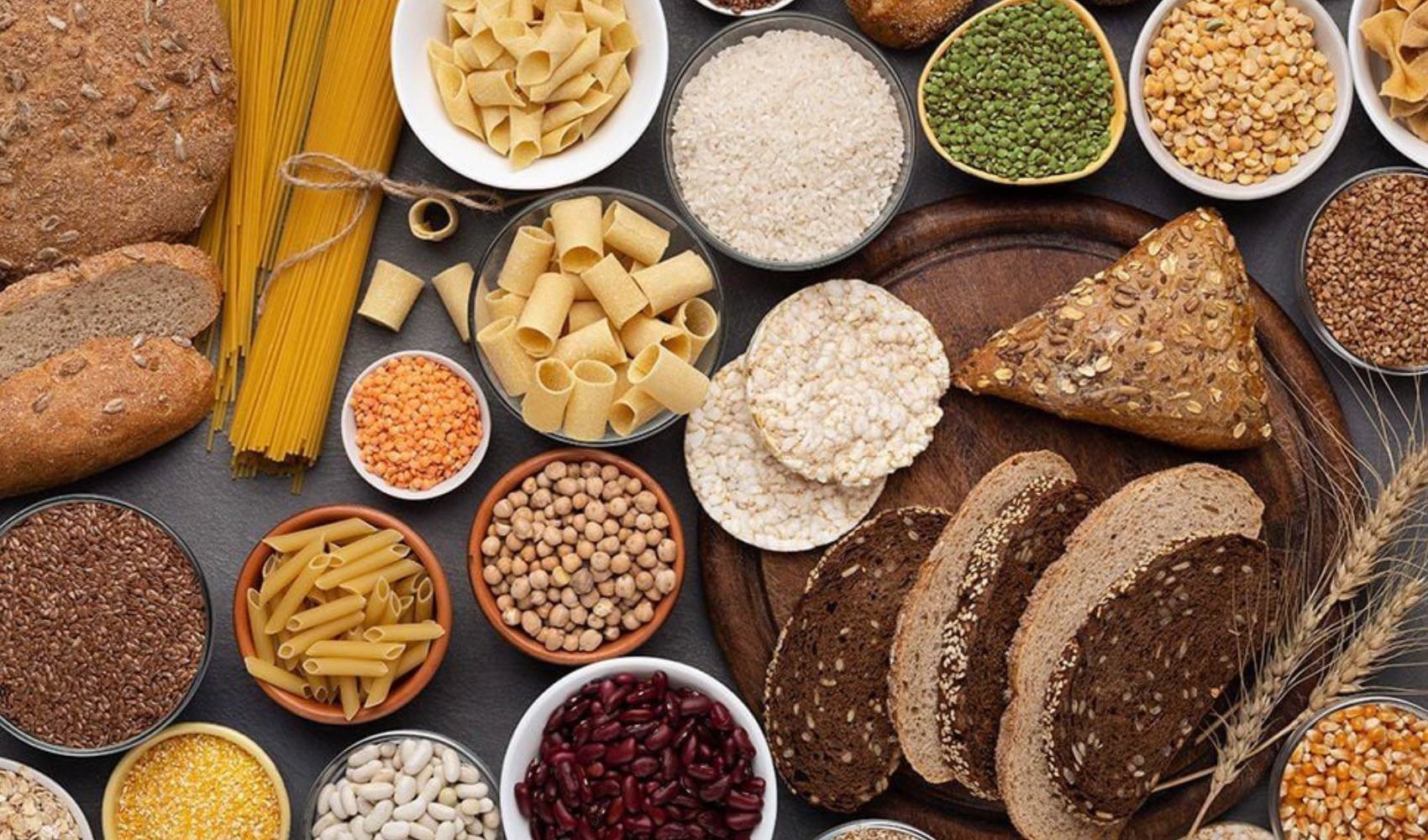
What foods should celiac patients avoid?
Cereals such as wheat, barley, rye, and oats, and certain processed products,
Meat products such as chicken and fish fried with breadcrumbs,
Beverages using malt,
Ready-made soups containing gluten, ready-made seasonings such as meatballs and breading mixes,
Foods such as vinegar, chocolate, pudding, chewing gum, ketchup, mayonnaise, and ice cream that contain gluten,
Salty, sauced nuts are prohibited because they are glued with gluten. However, the versions of these that have not been processed with gluten, or nuts that do not contain gluten, are allowed.
Source: Memorial Group
News Source: 12punto