WHAT IS LUNG CANCER?
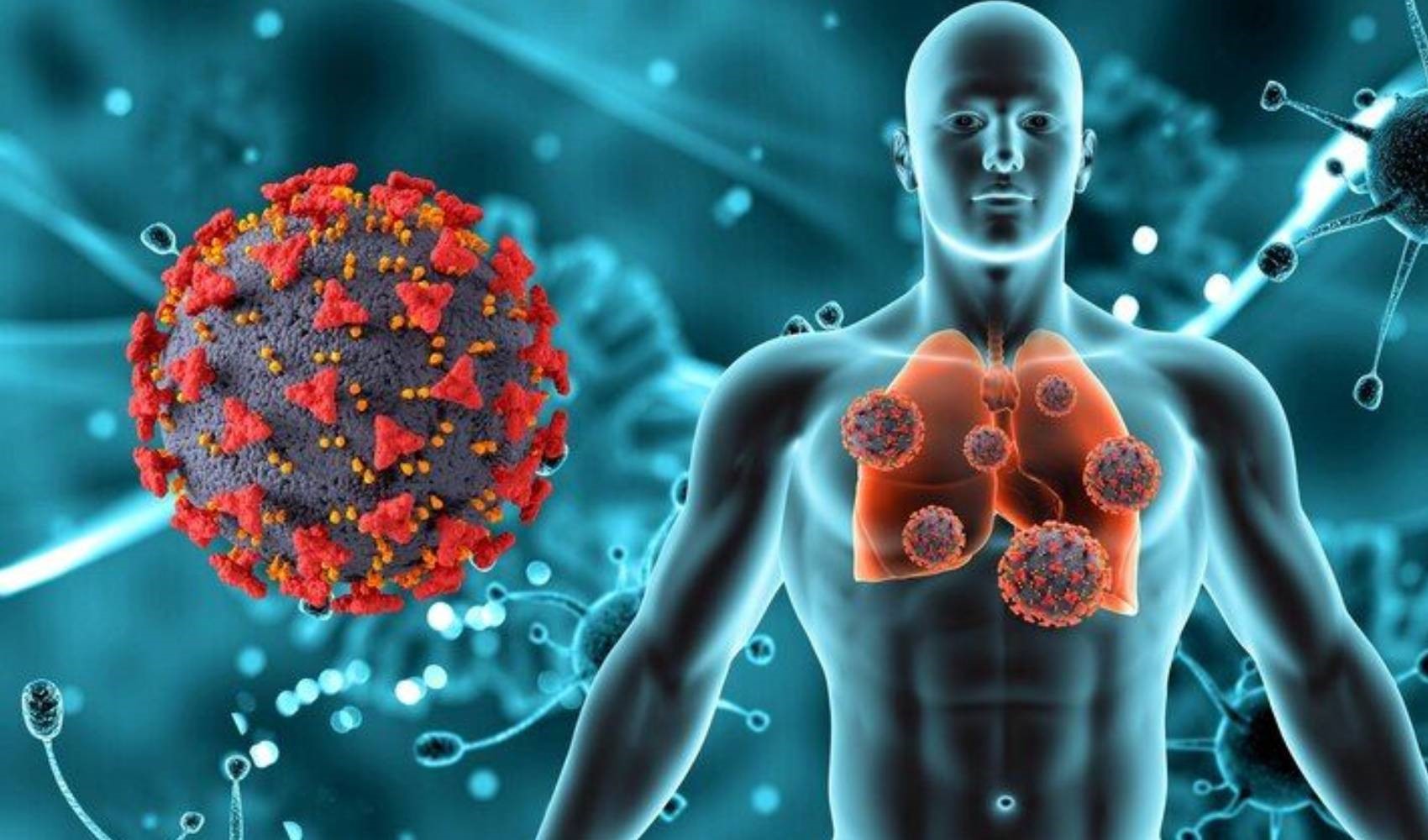
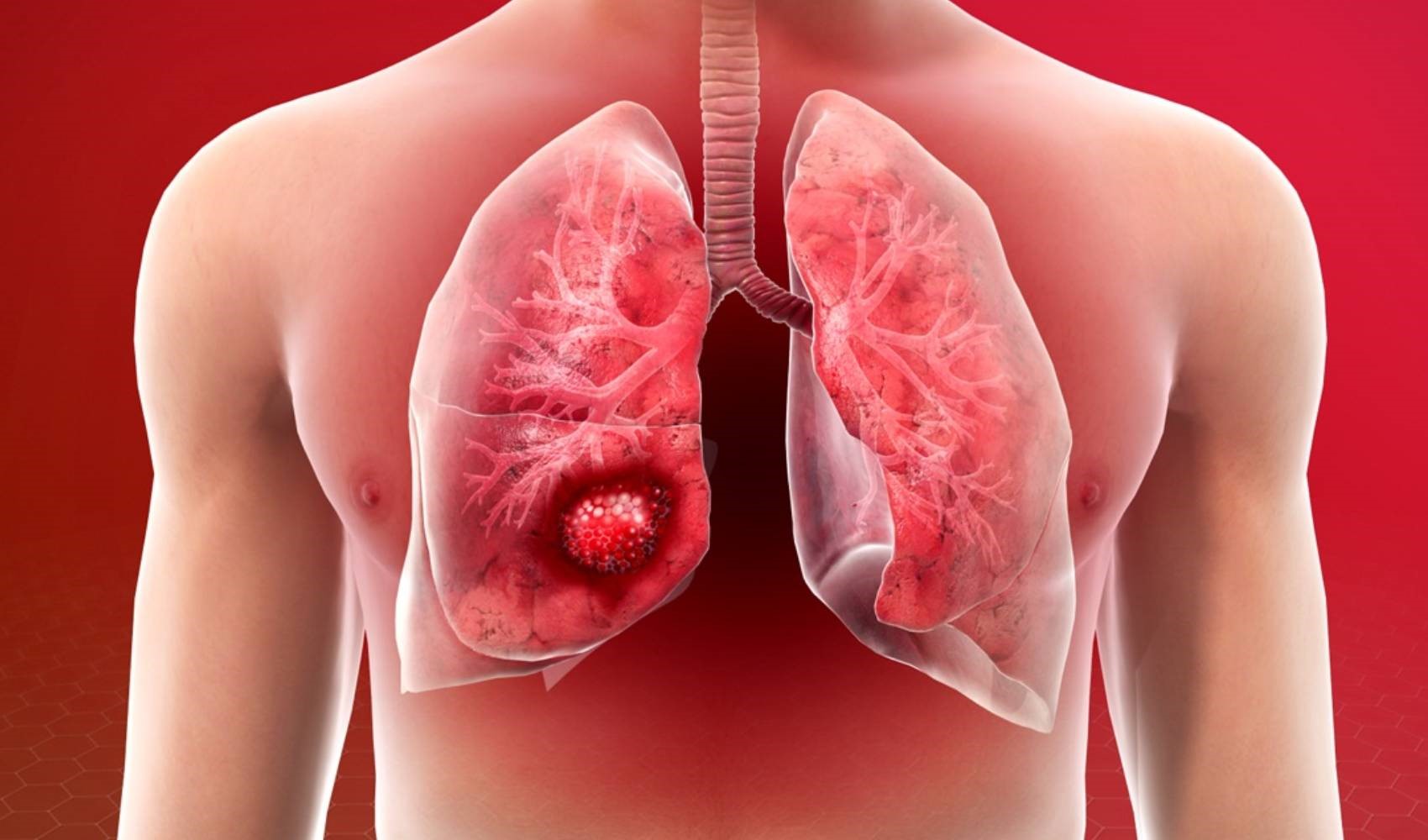
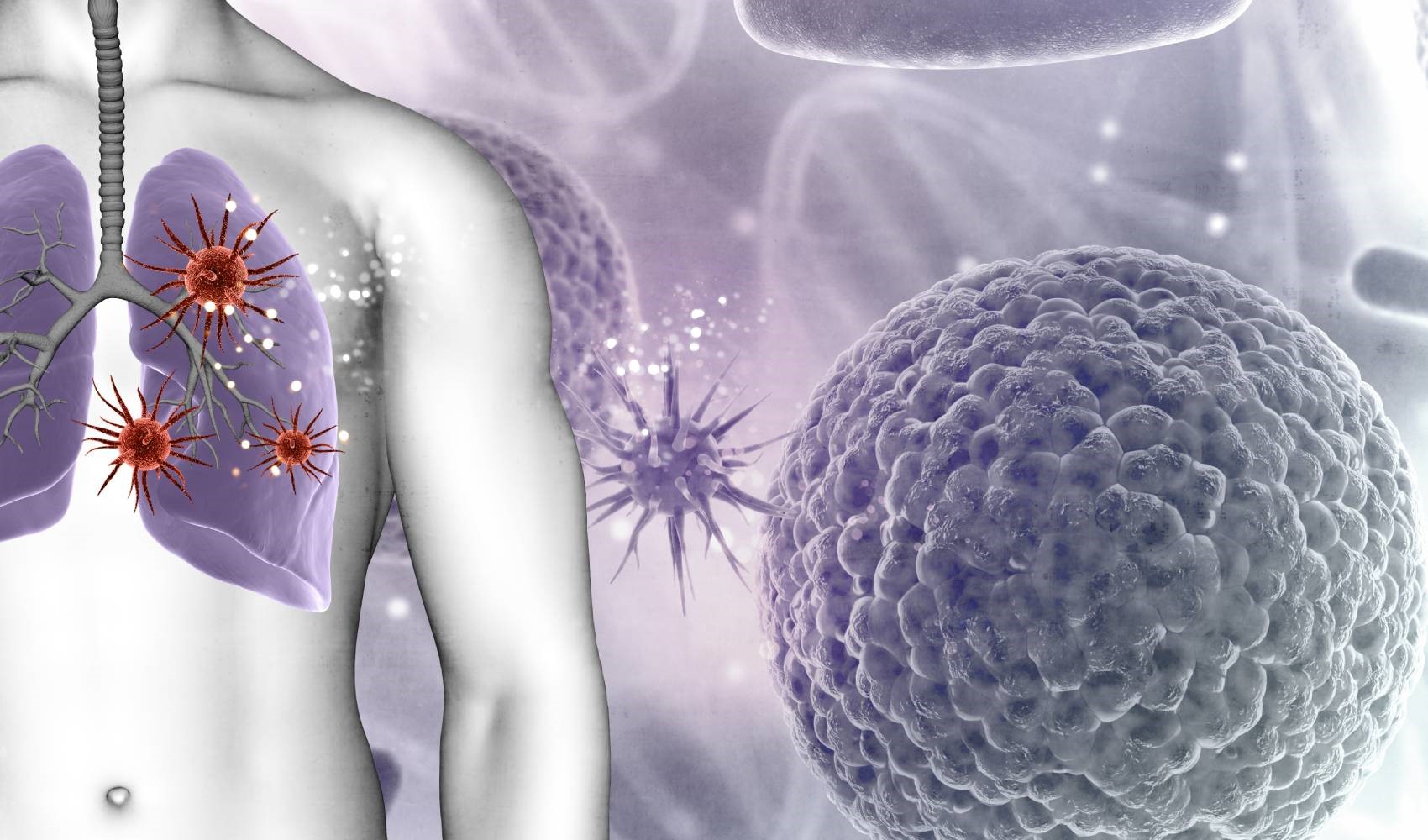
Lung cancer begins when cells in normal lung tissue multiply uncontrollably and excessively, forming a mass (tumor) within the lung. While this mass initially grows in the region where it originated, in later stages it can spread to surrounding tissues or metastasize to distant organs such as the liver, bones, or brain through the circulatory system, causing damage.
Lung cancer is a very common type of cancer. It accounts for 12-16% of all cancer cases and is responsible for 17-28% of cancer-related deaths. It ranks first among cancer-related deaths in both women and men.
Lung cancer, for which smoking is one of the most important factors, ranks among the leading causes of cancer-related deaths. However, the chances of treatment increase significantly when it is diagnosed at an early stage.
 WHAT ARE THE SYMPTOMS OF LUNG CANCER?
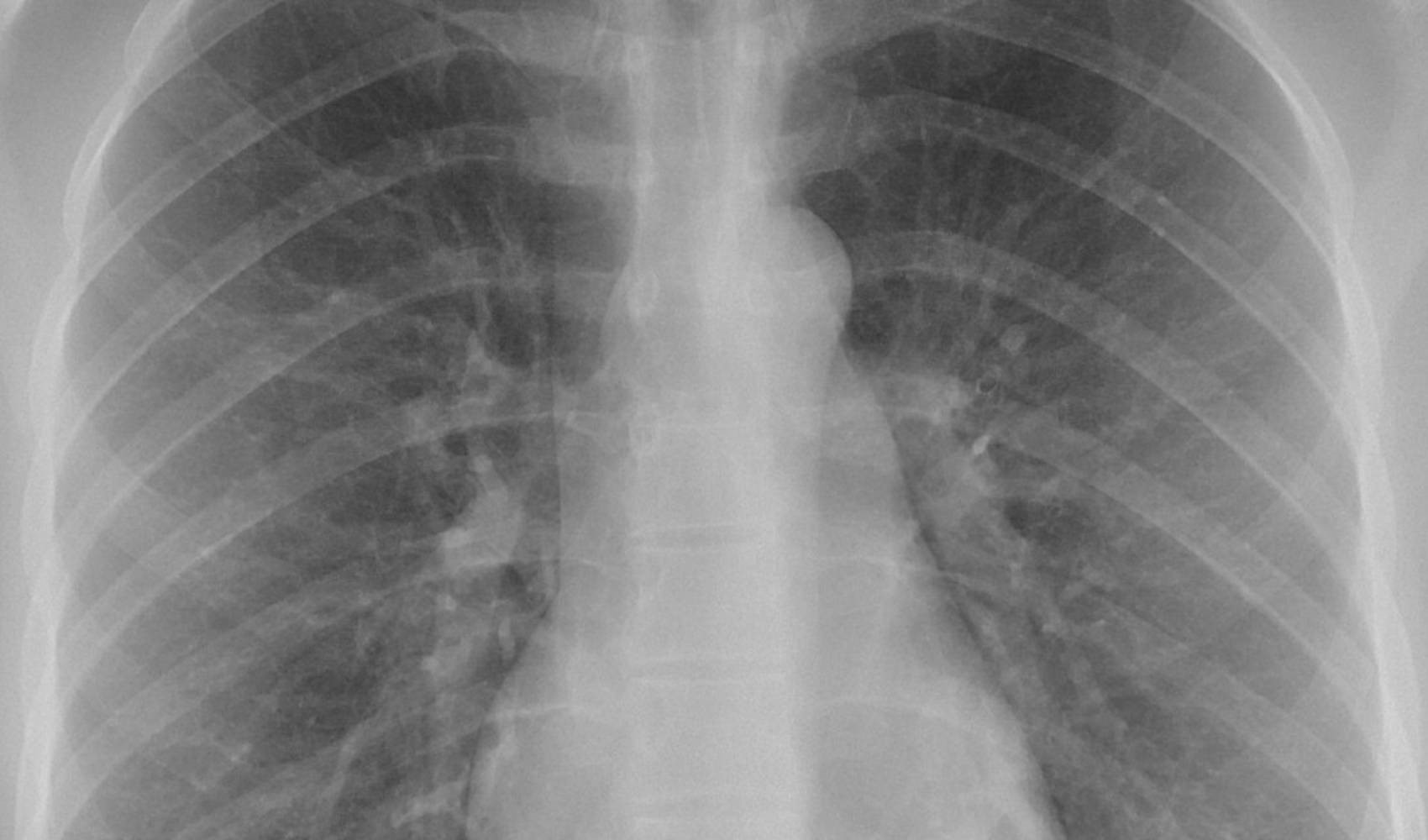
Some common symptoms of lung cancer include a chronic, persistent, and worsening cough, shortness of breath and wheezing, a general feeling of fatigue, weight loss, difficulty swallowing, hoarseness, and swelling in the hands, arms, and face due to edema.
Other symptoms of lung cancer include:

Chronic and worsening cough
Unexplained fatigue
Shortness of breath
Wheezing while breathing
Bloody sputum
Chest, back, and shoulder pain
Difficulty swallowing
Persistent hoarseness
Weight loss
Loss of appetite
Recurrent lung infections
Swelling in the face and neck (edema)
Sudden clubbing of the fingers
Headache and dizziness
Weakness or numbness in the limbs
Jaundice
Formation of a lump in the neck
WHAT ARE THE TREATMENT METHODS?
Lung cancer treatment is designed to get rid of the cancer in the body or slow its growth. Treatments can destroy cancer cells, help eliminate them or prevent them from multiplying, or teach your immune system to fight them. Some therapies are also used to reduce symptoms and alleviate pain. Treatment will depend on the type of lung cancer, where it is located, how much it has spread, and many other factors.
1. Surgical Intervention
In cases of lung cancer diagnosed at an early stage, surgical intervention stands out as one of the most effective treatment methods. Removing the tumor is an important step to prevent the cancer from spreading. Surgical methods are generally preferred for localized tumors, meaning cases where the cancer has not spread to other organs.
2. Radiotherapy
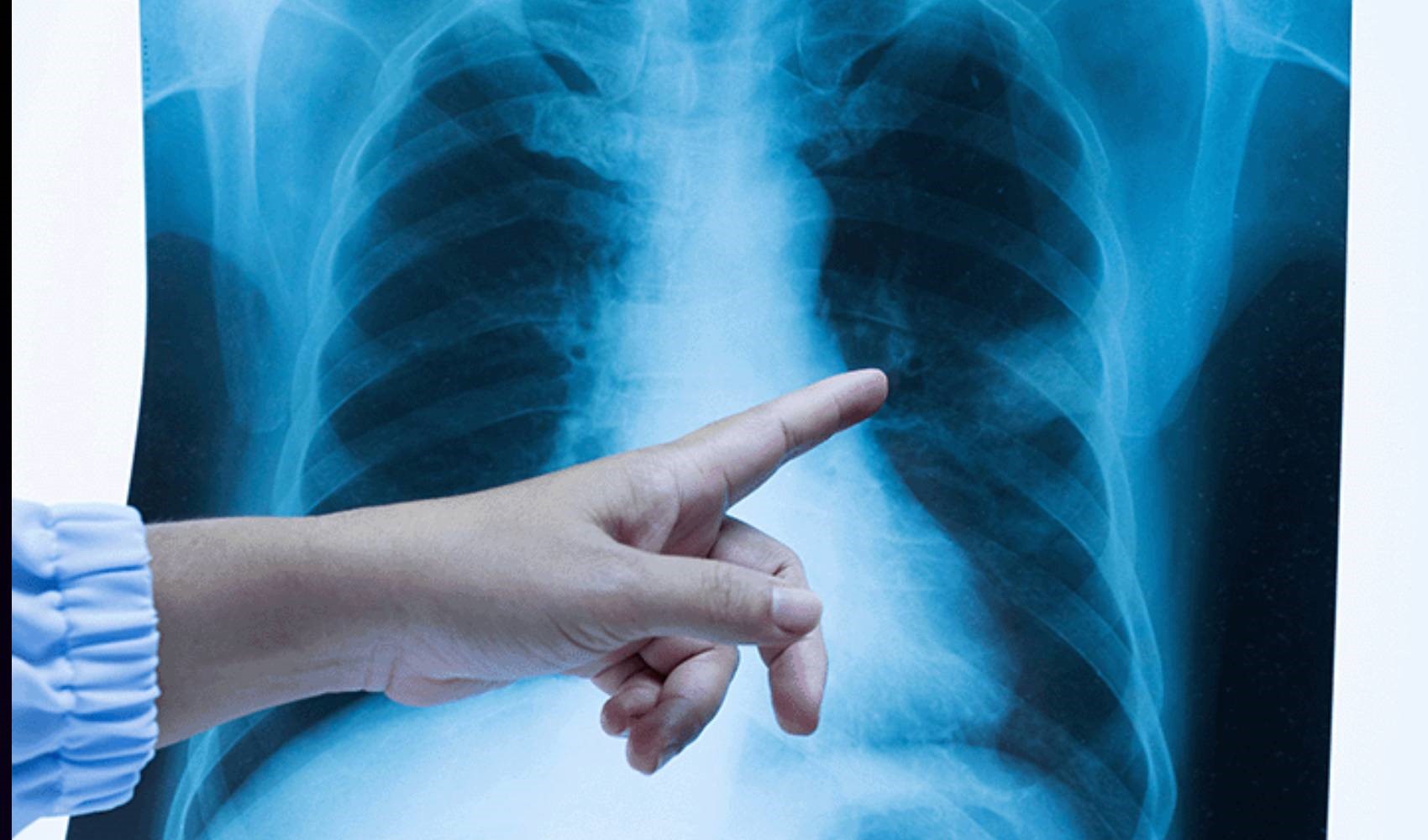
Radiotherapy is a treatment method that uses high-energy radiation to destroy cancer cells. It is preferred in cases where surgery cannot be performed or where the cancer has spread to other organs. Radiotherapy can be particularly effective in pain management and tumor shrinkage.
3. Chemotherapy
Chemotherapy, which uses drugs to kill cancer cells or stop them from growing, is a common method in the treatment of lung cancer. It is generally used for advanced-stage cancers and can be applied in combination with other treatment methods. Since chemotherapy affects the entire body, it plays an important role in stopping the spread of cancer.
4. Immunotherapy
Immunotherapy, which has made great progress in lung cancer treatment in recent years, enables the body to fight cancer by strengthening the immune system. This treatment method, which activates the immune system, provides very effective results, especially in certain types of cancer.
5. Targeted Therapy
Another modern method used in lung cancer treatment is targeted therapy. This treatment is performed using drugs that attack specific genetic mutations in cancer cells. Targeted therapy may have fewer side effects compared to chemotherapy and is usually applied as a result of genetic testing.
TREATMENT SELECTION AND APPLICATION PROCESS
The choice of method in lung cancer treatment varies depending on the stage of the disease, the patient's general health status, and the type of cancer. Sometimes more than one treatment method can be used together. For example, chemotherapy or radiotherapy may be applied after surgical intervention. The treatment process should be planned with a patient-specific approach.
Early diagnosis is of great importance in lung cancer treatment. Applying treatment methods at the right time and in an appropriate manner plays a vital role in extending patients' lifespans and improving their quality of life. If you think you are in a risk group, do not neglect your regular health check-ups.
News Source: 12punto