The exact cause of Raynaud's syndrome is not yet fully known. However, it is estimated that certain triggering factors may cause this condition.
FACTORS THAT CAUSE RAYNAUD'S SYNDROME:
Cold Weather: Cold weather can cause blood vessels in the body's extremities to contract and narrow, leading to reduced blood flow.
Stress: Stress can cause blood vessels to contract and narrow, which can reduce blood flow.
Smoking: Smoking can narrow blood vessels in the body and reduce blood flow.
Autoimmune Diseases: Some autoimmune diseases can cause the immune system to attack the body's own tissues. This situation can lead to the emergence of Raynaud's syndrome.
Injury: In some cases, injuries or trauma to extremities such as the hands or feet can cause the development of Raynaud's syndrome.
Medications Used: Some medications, especially chemotherapy drugs used during cancer treatment, can cause Raynaud's syndrome to emerge.
These factors can cause Raynaud's syndrome to emerge depending on a person's genetic predisposition and lifestyle habits. However, the exact cause of the disease is still unknown.
WHAT ARE THE SYMPTOMS OF RAYNAUD'S SYNDROME?
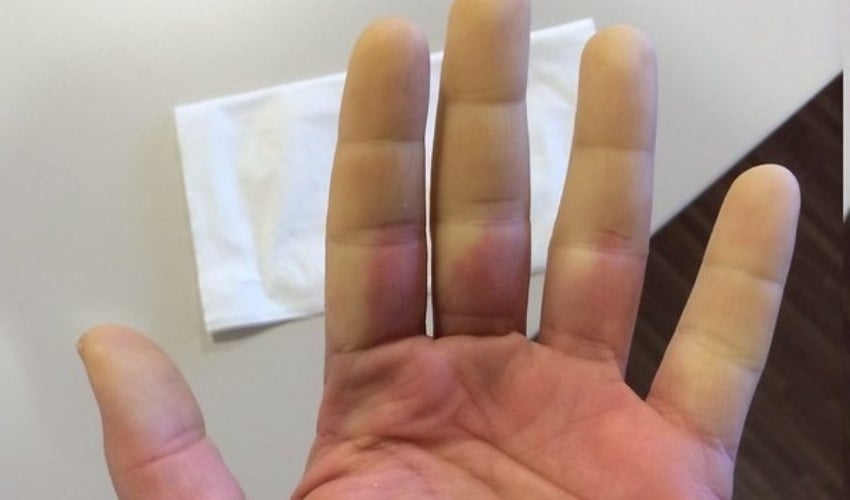
Raynaud's syndrome manifests itself with symptoms that become prominent in extremities such as the hands, feet, nose, ears, lips, and nipples due to the narrowing of blood vessels in the body and reduced blood flow. While some patients experience only a few symptoms, others may experience more severe symptoms. The symptoms of Raynaud's syndrome are as follows:
Bruising: Bruising is frequently seen in the extremities, especially in the hands and feet.
Coldness: Extremities may feel cold and may be cold to the touch.
Numbness: A feeling of numbness may occur in the extremities.
Pain: A feeling of pain and discomfort may occur in the extremities.
Skin Changes: Sores, ulcers, changes in skin color, scaling, and cracking may occur on the skin.
Swelling: Swelling may occur in the extremities.Changes in Nipples: Pain, cracks, or ulcers may form on the nipples.
These symptoms may vary depending on the patient's age, gender, and the severity of the condition. Generally, symptoms worsen in cold weather or stressful situations. However, some patients may experience symptoms without any triggering factors.
HOW IS RAYNAUD'S SYNDROME TREATED?
Treatment for Raynaud's syndrome varies depending on the severity of the symptoms, the type of syndrome, the patient's age, and their general health status. The first step is to identify and avoid triggers. Additionally, it may be recommended that the patient make lifestyle changes. These include quitting smoking, exercising regularly, reducing stress, keeping warm, protecting oneself from the cold, and moving the hands and feet regularly.
Furthermore, medication can also be used to control symptoms. The following medications can be used in the treatment of Raynaud's syndrome:
Calcium Channel Blockers: These drugs act on the muscles of the blood vessels, allowing the vessels to dilate and increasing blood flow.
Alpha-Blockers: These drugs act on alpha-receptors to dilate blood vessels.
Medicated Creams: These creams can be applied topically to alleviate symptoms.
Aspirin: This medication can help prevent blood clotting and alleviate symptoms.Immunosuppressive Drugs: These drugs can reduce the severity of symptoms by suppressing the immune system.
Intravenous Medications: In patients with severe symptoms, intravenous medications can be used to dilate blood vessels and increase blood flow.
News Source: 12punto