THERE SHOULD BE NO HEALTH OBSTACLES
Anadolu Medical Center Hospital Nutrition and Diet Specialist Tuba Örnek said, "The first step to consider in order to benefit from fasting is that the person who will fast should not have any underlying health conditions."
Underlining that fasting not maintained consciously can bring more harm than good, Örnek stated, "It should not be forgotten that consuming fast and heavy meals after long periods of hunger can cause stomach and intestinal discomfort, not drinking enough fluids between suhoor and iftar can lead to dehydration, and inadequate or incorrect nutrition can lead to negative effects such as fatigue and low blood pressure."
WHAT IS DEHYDRATION?
It is the abnormal depletion of fluid in the body's tissues. It occurs when the body does not have as much water and fluid as it needs. The inability to replace fluids lost through sweating, vomiting, and/or diarrhea is a common cause of dehydration. The best way to prevent this is to take the daily required amount of water before feeling thirsty. Therefore, if you do not have any health problems, you should not skip the suhoor meal and should not neglect to drink a moderate amount of water.
10 RECOMMENDATIONS FOR HEALTHY IFTAR TABLES DURING RAMADAN
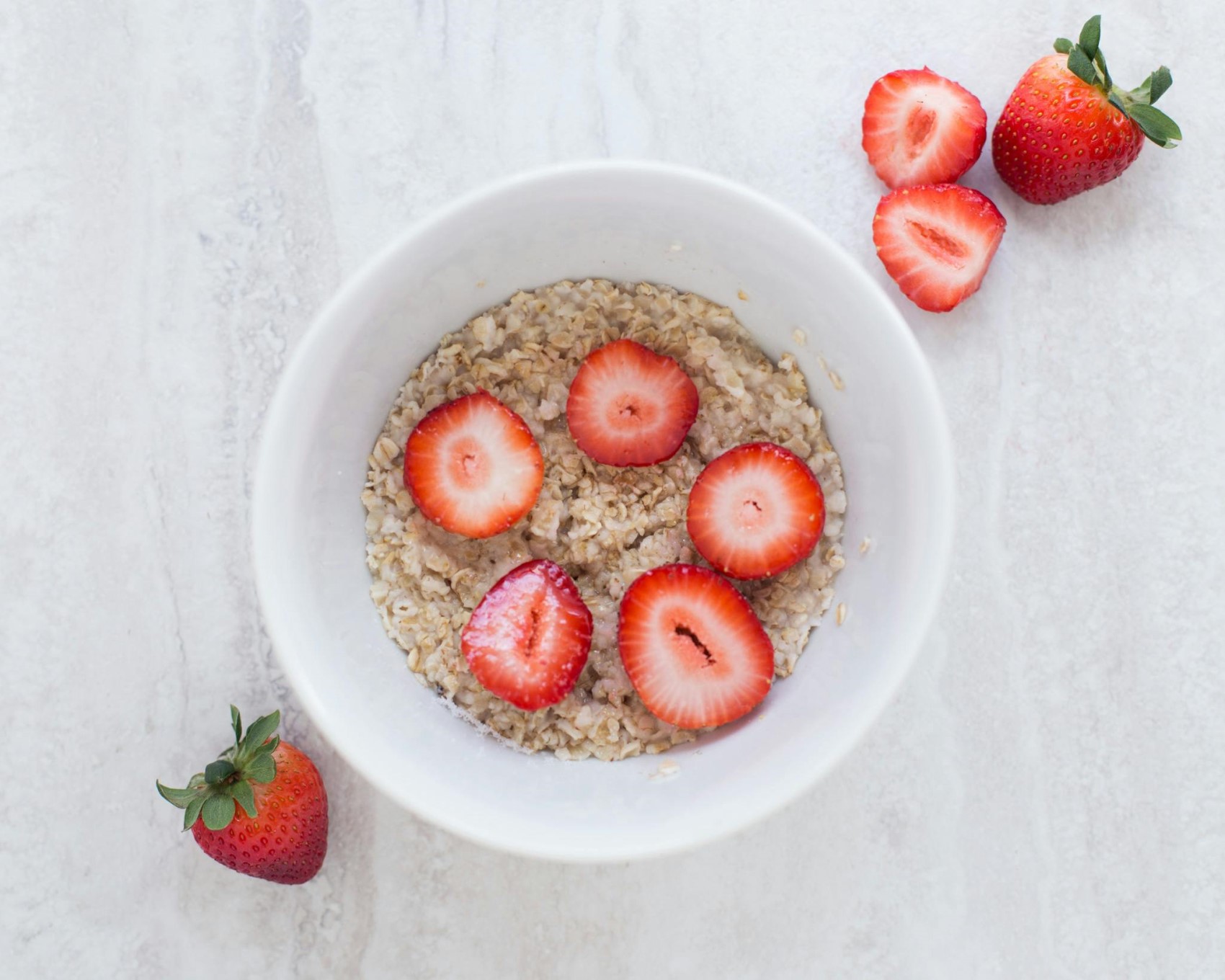
Fiber-rich foods such as vegetables, fruits, oatmeal, and whole-grain breads that keep you full throughout the day should be prioritized at the suhoor table. It should also be ensured that protein-rich foods such as cheese, eggs, yogurt, and kefir are consumed in sufficient quantities.
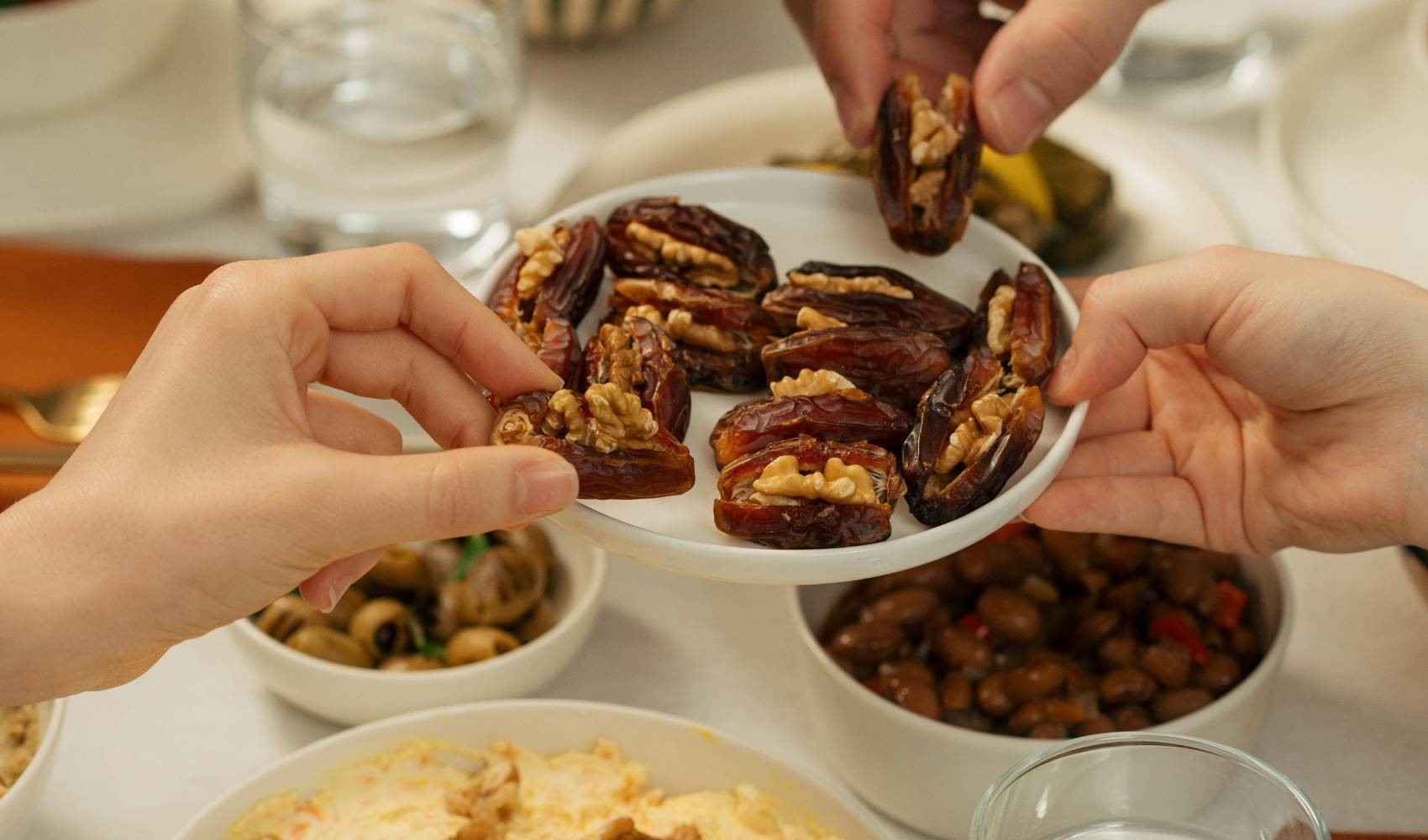
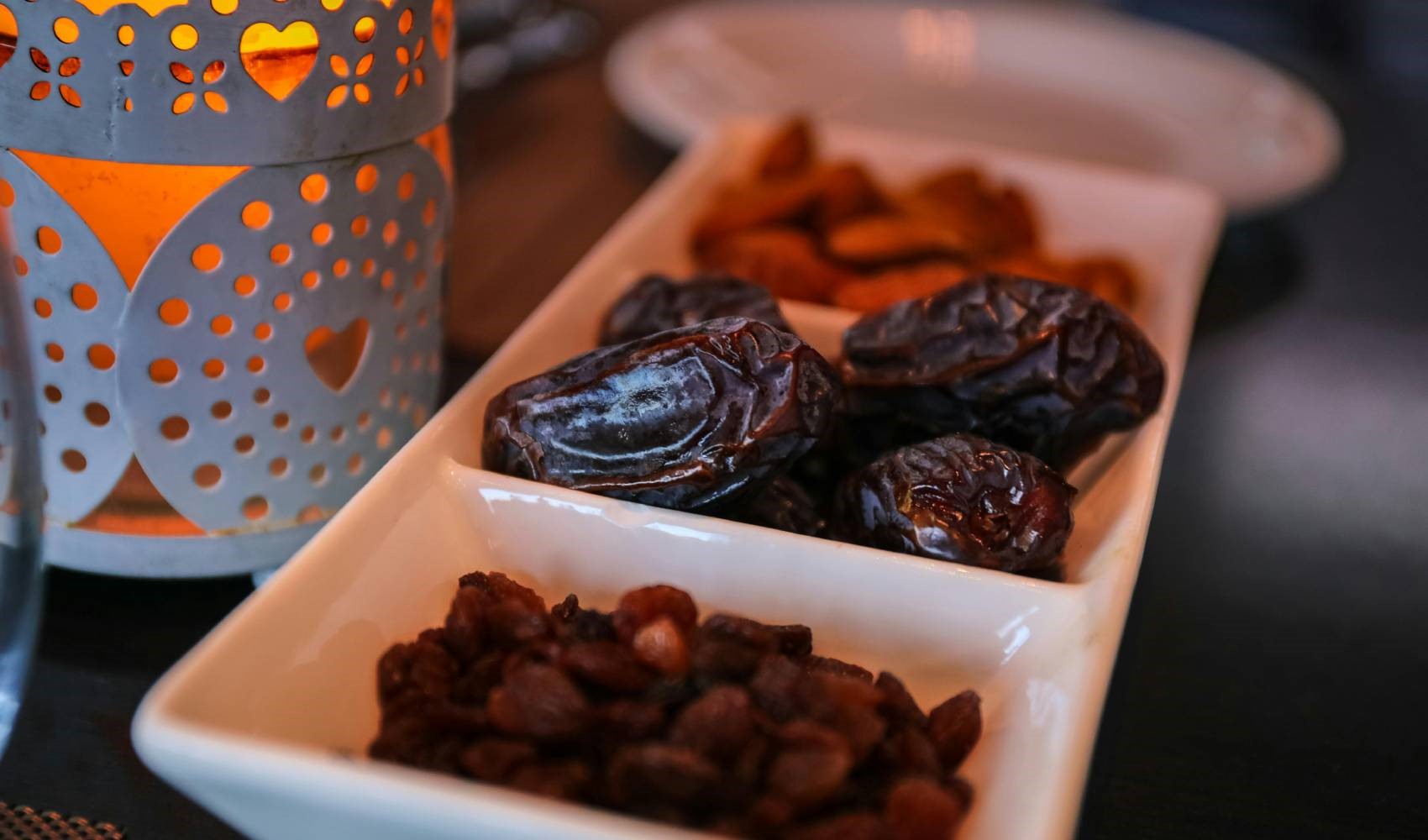
- Starting the iftar meal with dates is quite beneficial as it provides quick energy and relaxes the stomach. After the dates, a light start should be made with soup.
- Main dishes that do not contain sugar or cream, are not fried, and are not high in fat and salt should be prepared.
- Processed foods such as salami, sausage, and frankfurters should be avoided.
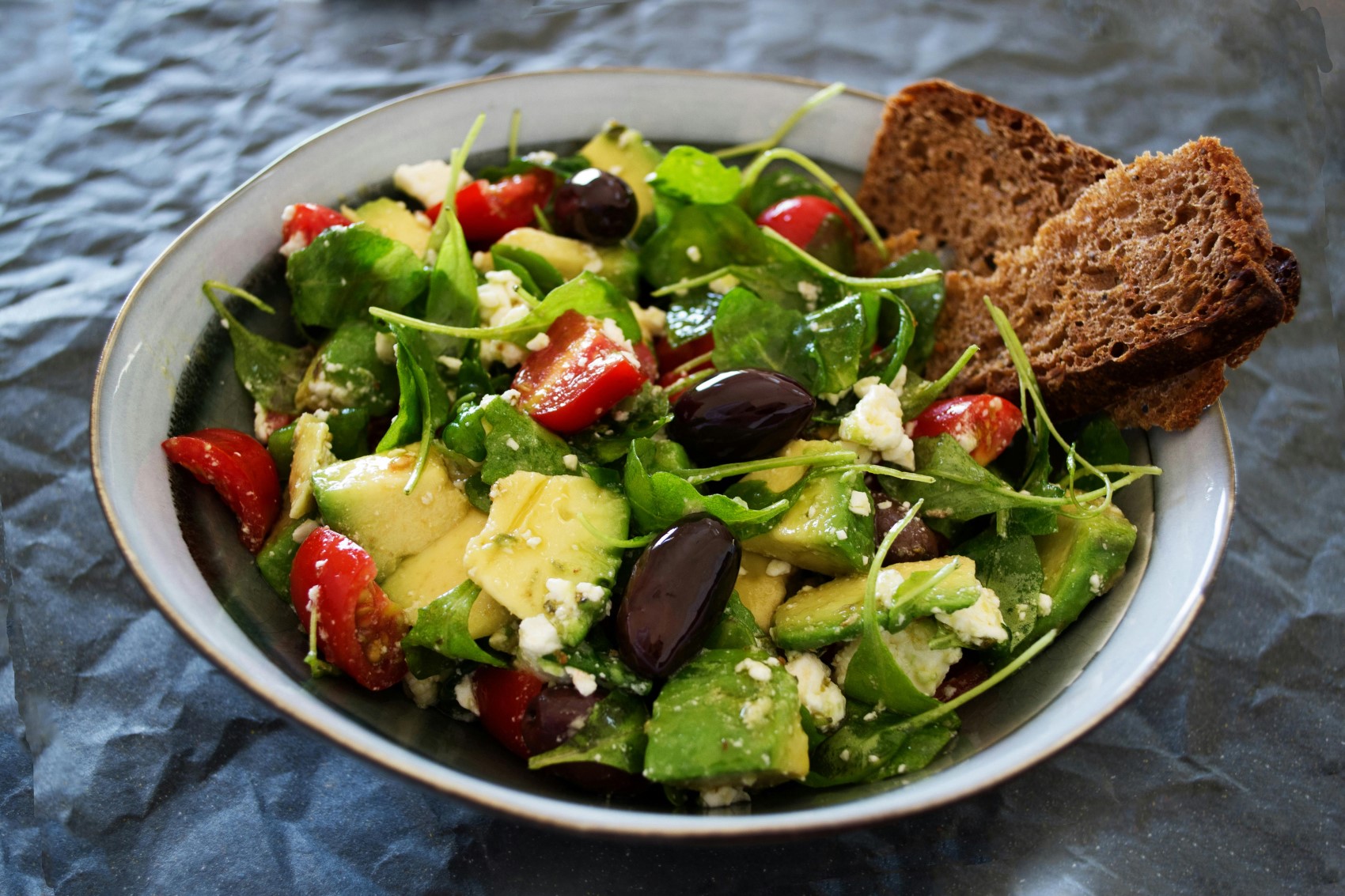
- Yogurt and various salads should definitely have a place on the iftar table.
- Water consumption during the meal should be limited as it may make digestion difficult, and should be increased approximately 1 hour after iftar.
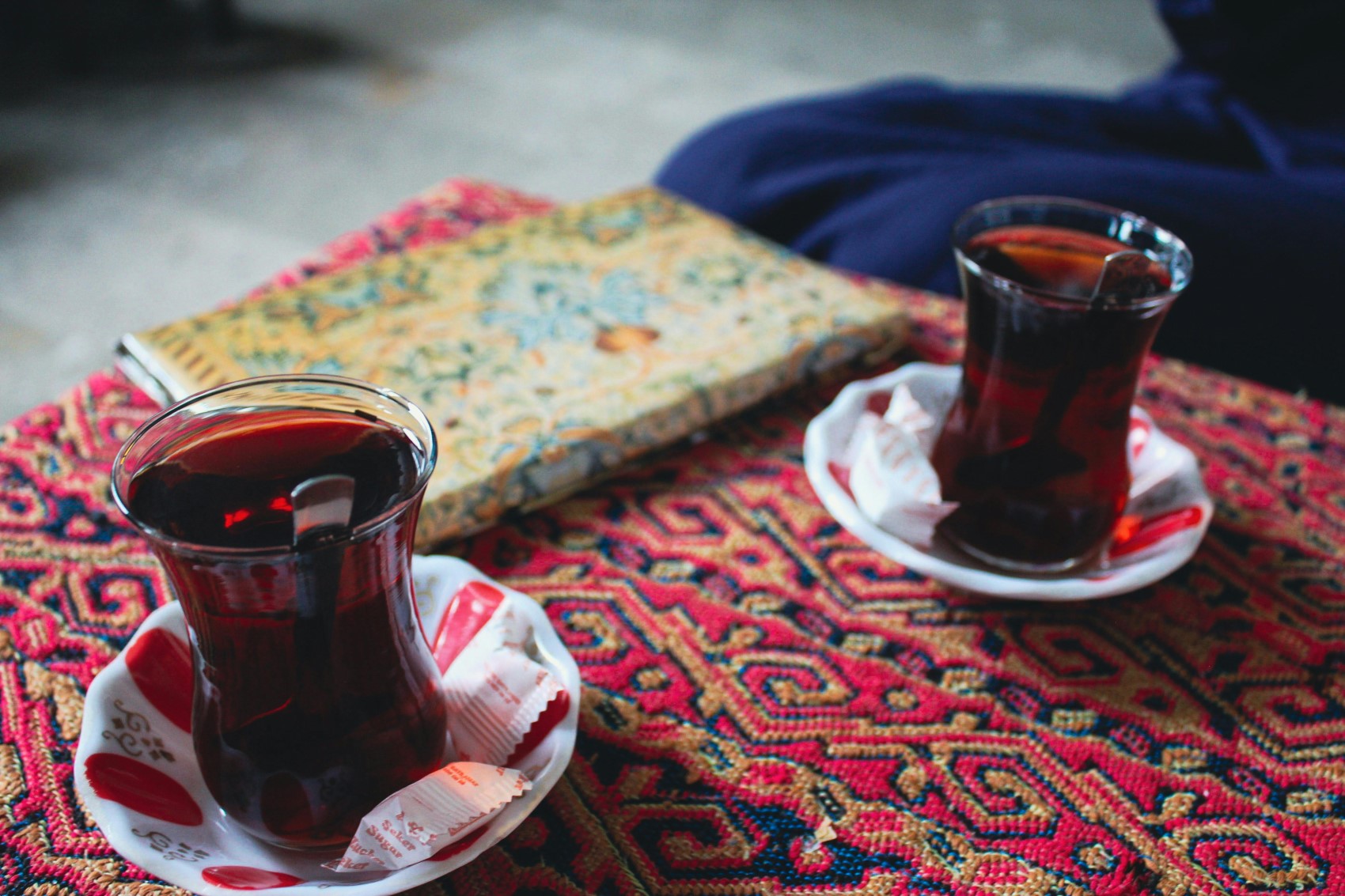
- Care should be taken to consume caffeinated beverages such as tea and coffee without overdoing it, as they can lead to fluid loss in the body.
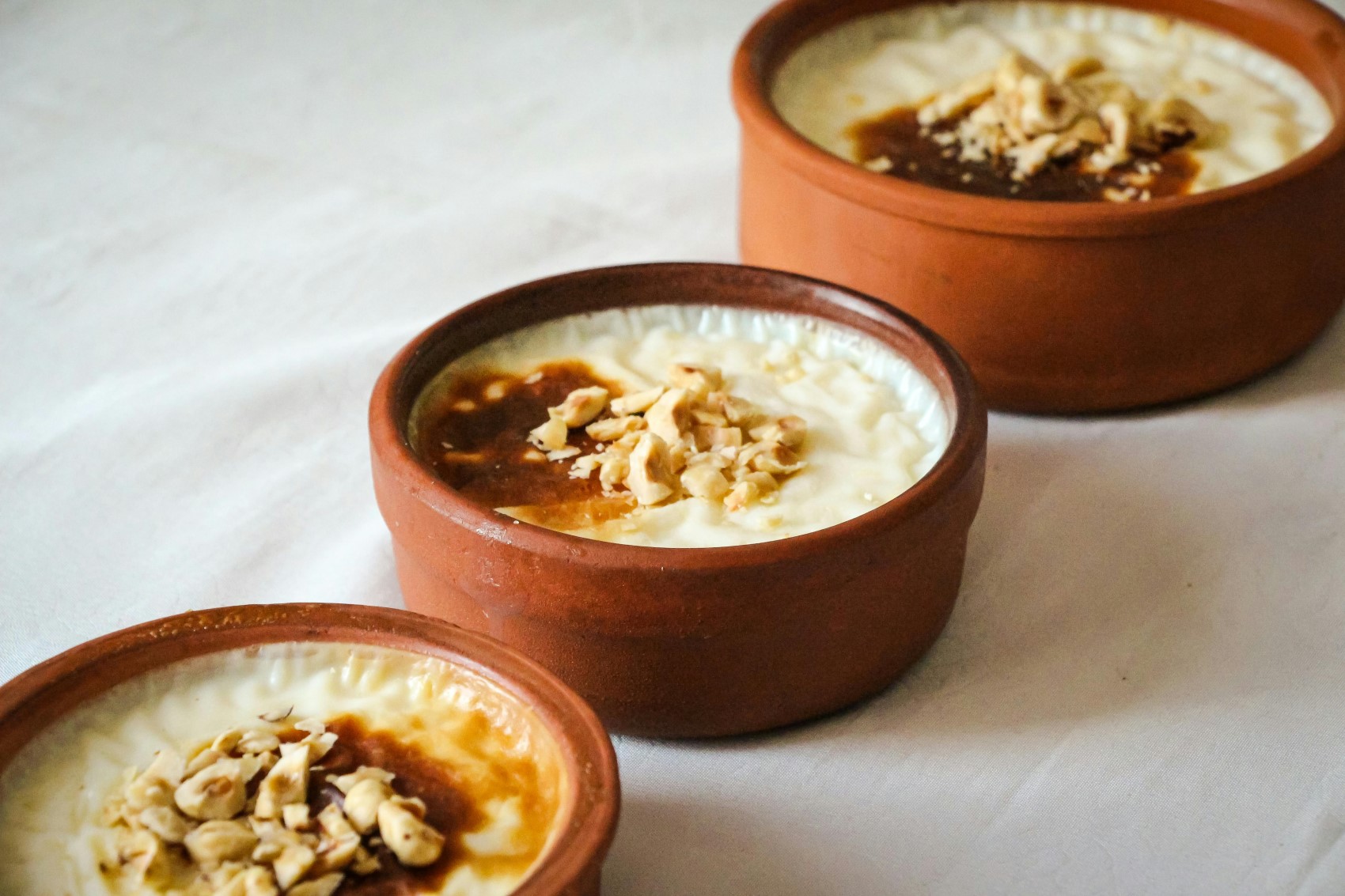
- Provided that at least 2 hours have passed since iftar, one can turn to desserts made with dairy products instead of syrup-soaked options for dessert or snack needs. As an alternative to dessert, fruit or a handful of nuts such as walnuts, hazelnuts, or almonds can also be preferred.
- Unless there is any health problem, the suhoor meal should definitely not be skipped.
- To facilitate digestion, meals should be eaten slowly and chewed well.
- To prevent dehydration, at least 2 liters of water should be consumed between suhoor and iftar.
News Source: 12punto