The United Kingdom's public broadcaster, the BBC, has featured Kars, which it calls "Turkey's cheese capital."
The article emphasizes that while many empires and kingdoms fought to control Kars in the past, the traces of Roman, Byzantine, Armenian, and Tsarist Russian influence, alongside Seljuk and Ottoman heritage, are reflected not only in the architecture but also in the cuisine.
It recalls that with the occupation of Kars by Tsarist Russia, some of the Molokans who had been exiled to the Caucasus migrated to Anatolia, noting that cheese-making was also influenced by them.
The religious community, nicknamed "Molokan"—meaning "milk drinkers" because they drank milk during times when it was forbidden for Orthodox Christians—is said to have gifted their cheese-making techniques to the city during the period of Russian control from 1878 to 1918.
'TURKEY'S CHEESE CAPITAL'
The opening of Kars's first modern cheese factory by the Russians in the late 19th century is also among the information included in the report.
In the article written by travel writer Richard Collett, Kars is described as "Turkey's cheese capital," and it is noted that Turkey's first thematic cheese museum was opened in this city.
According to the report in Independent Türkçe, Birol Aydın, a guide at the museum established in 2022 inside the Cavalry Bastion (Süvari Tabyası) built in 1734, says, "When the Russians annexed Kars in 1878, they stored cheese here. Cheese was also being made on the Euphrates 8,000 years ago. Nomadic Turks in Central Asia made it too. There are written sources dating back to the 12th century regarding cheese in Anatolia."
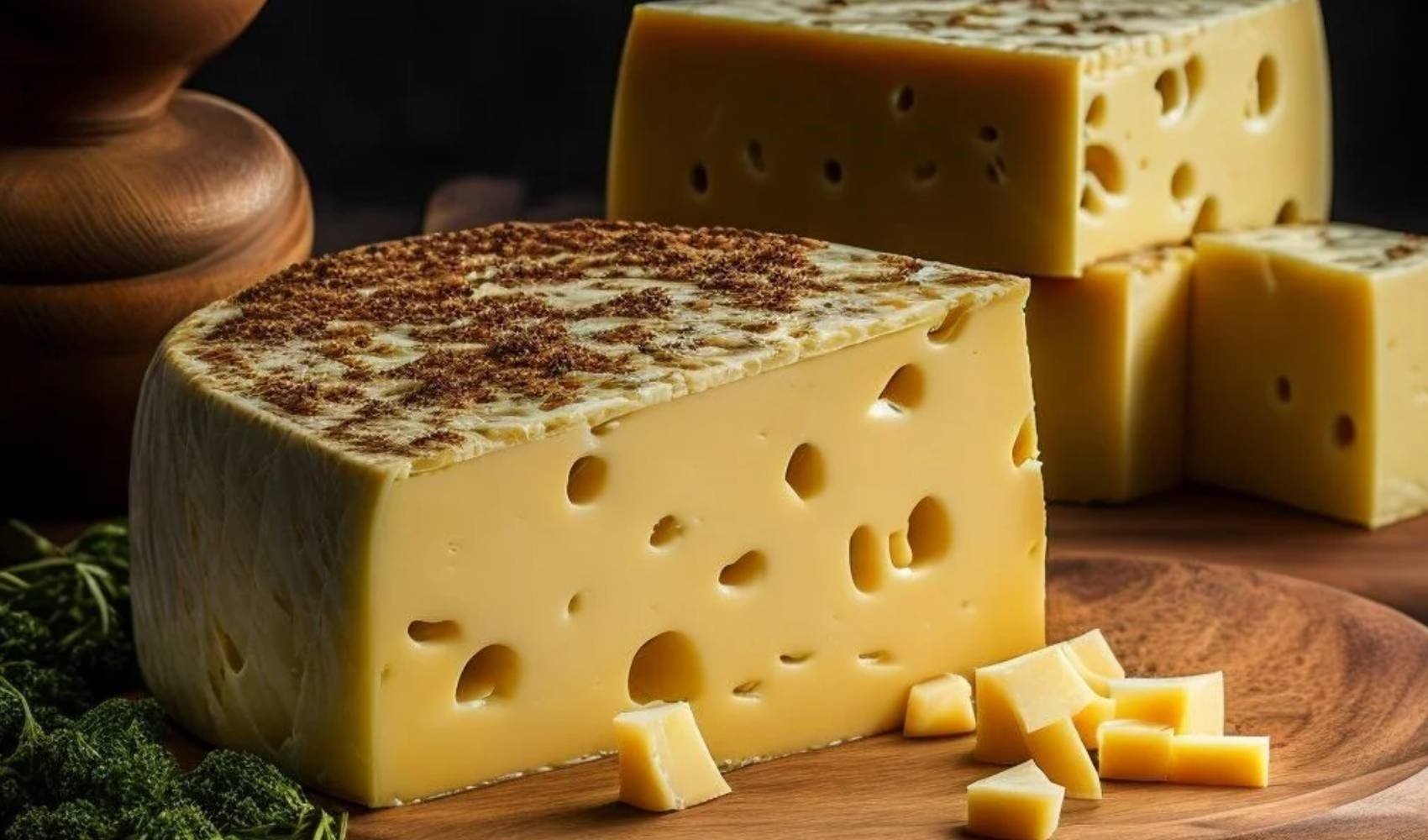
The BBC article also mentions Kars Gruyère, which takes its name from the Swiss Gruyère cheese.
'19TH-CENTURY COPPER CAULDRONS ARE STILL USED'
It is stated that Swiss cheesemaker David Moser visited the region in 1878 and, finding the conditions suitable, gave birth to Kars Gruyère.
The village of Boğatepe, famous for its cheese-making, was also featured in the report. It is highlighted that the settlement, one of the villages founded by Molokans in the 19th century, still uses copper cauldrons from that era.
It is reported that after a traffic accident in 2000 that killed 17 people, many residents migrated from the area, and that the Koçulu family, who are influential in the village, received support from the United Nations Development Programme (UNDP) to save both the settlement, which was on the verge of extinction, and its cheese production.
News Source: 12punto