 1 / 9
1 / 9
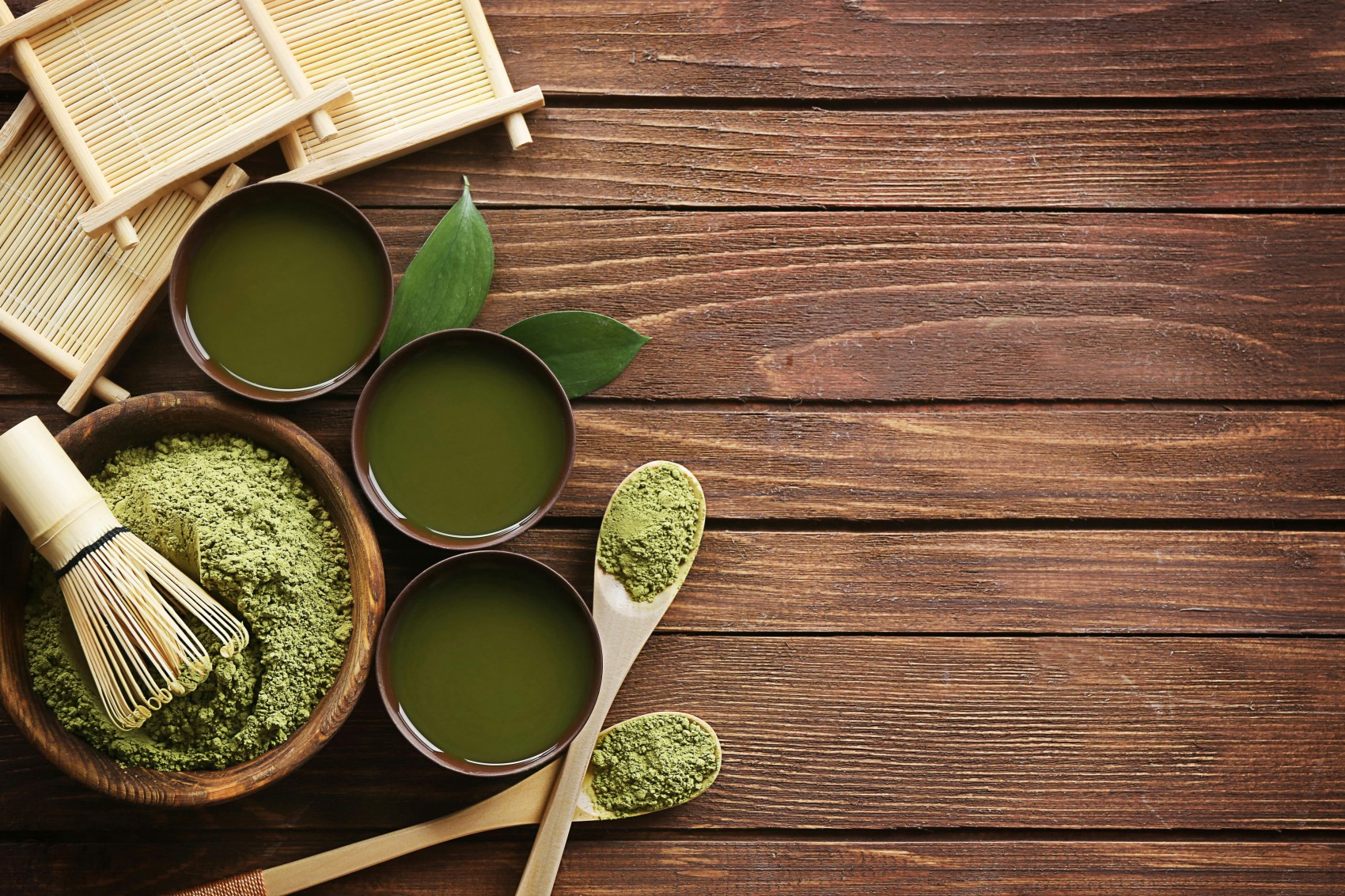
Matcha tea, an important part of Japanese culture, has been attracting great interest in recent years, especially among young people.
Frequently encountered on social media platforms, this beverage is among the favorites of Gen Z. However, the origins of matcha date back centuries.
 2 / 9
2 / 9
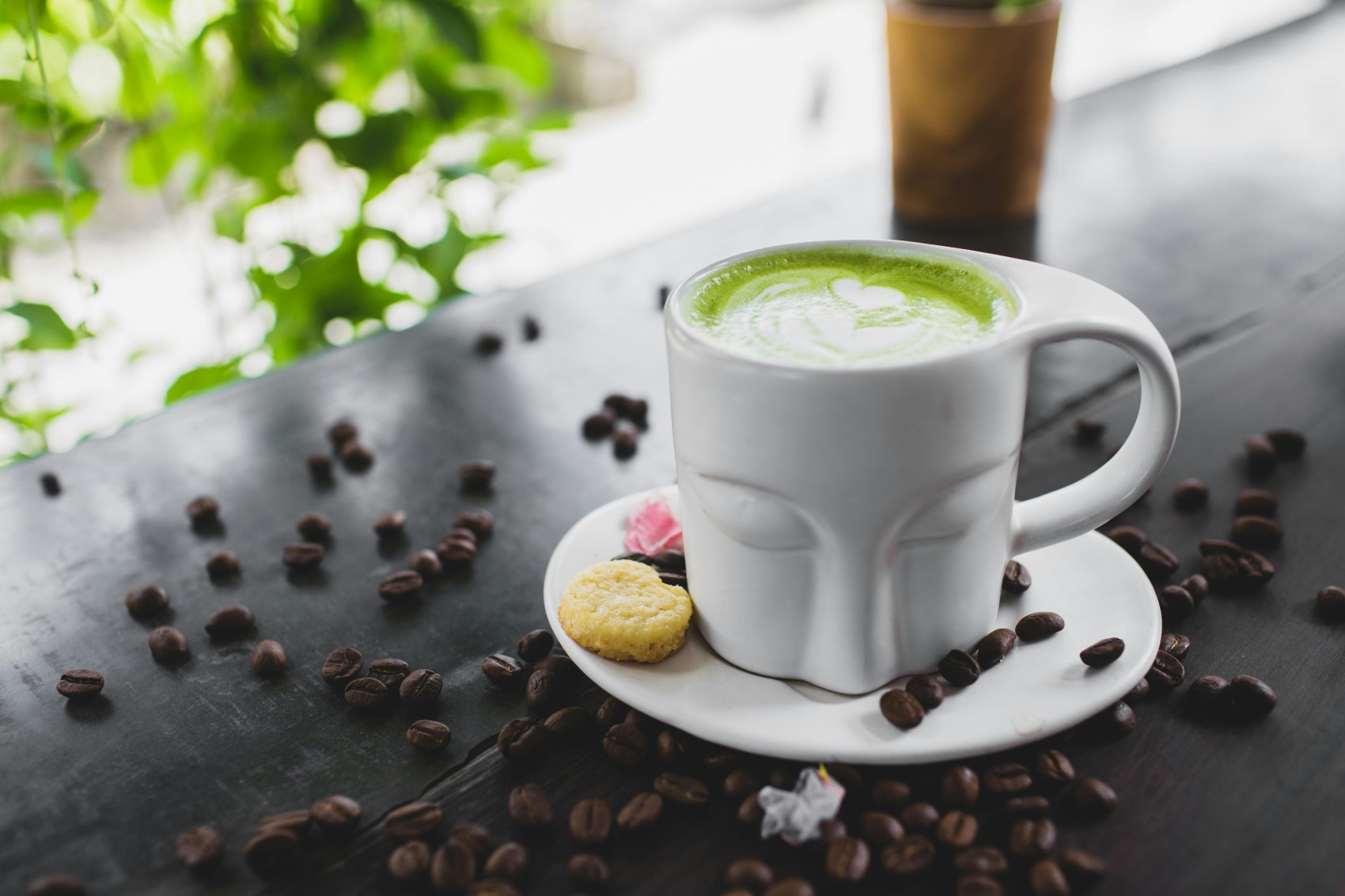
This special green tea powder produced in Japan is known as an essential part of traditional tea ceremonies. Today, it is used not only as a tea but also in many areas ranging from desserts to skincare products.
 3 / 9
3 / 9
WHAT IS MATCHA?
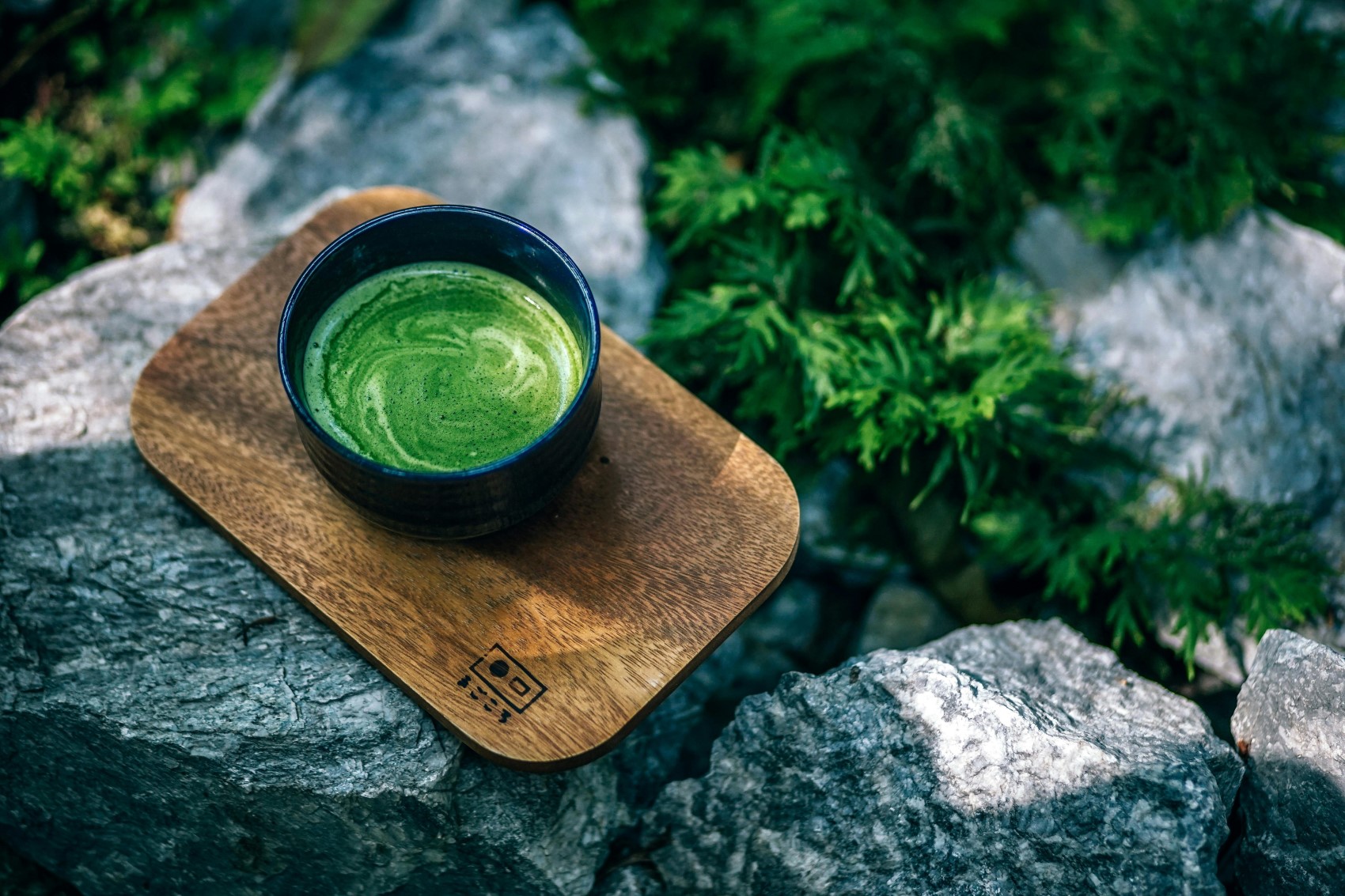
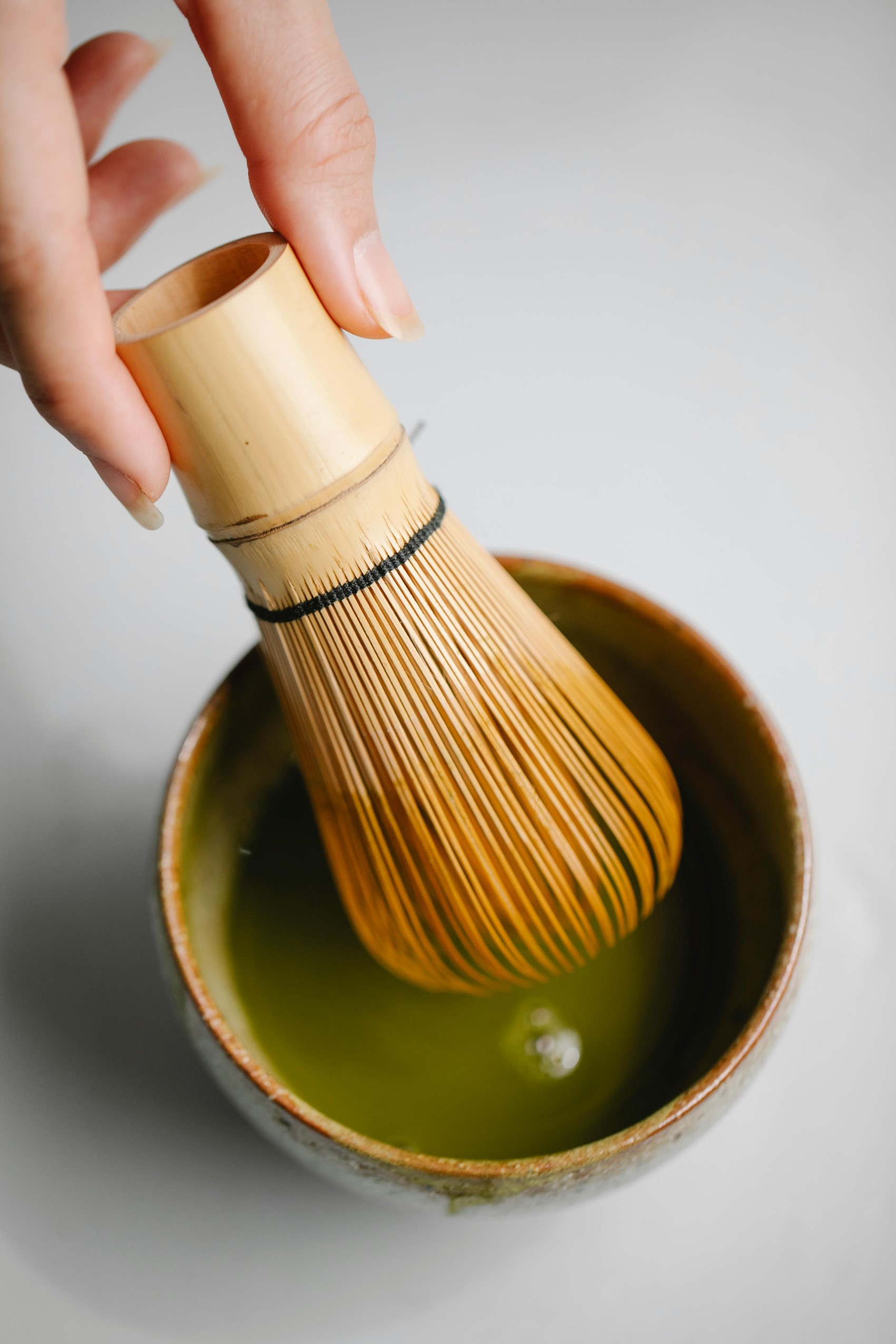
Matcha is a type of green tea obtained from the specially grown leaves of the Camellia sinensis plant. Unlike regular green tea, matcha powder is prepared by mixing it with hot water or milk.
Canadian dietitian Miranda Galati states that matcha is a nutrient-dense beverage. However, she also adds that these benefits need to be researched further.
 4 / 9
4 / 9
HEALTH BENEFITS AND RECOMMENDATIONS
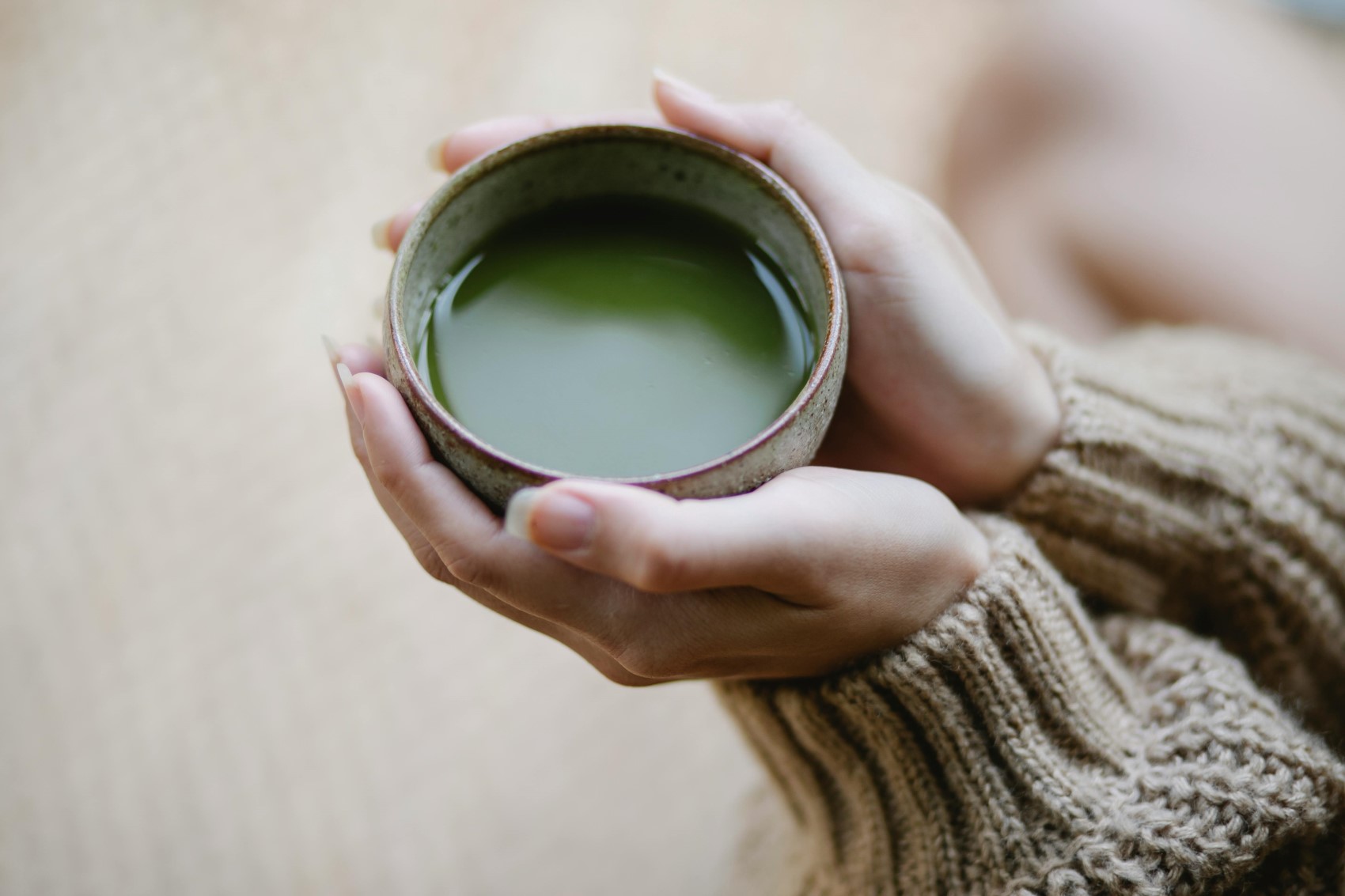
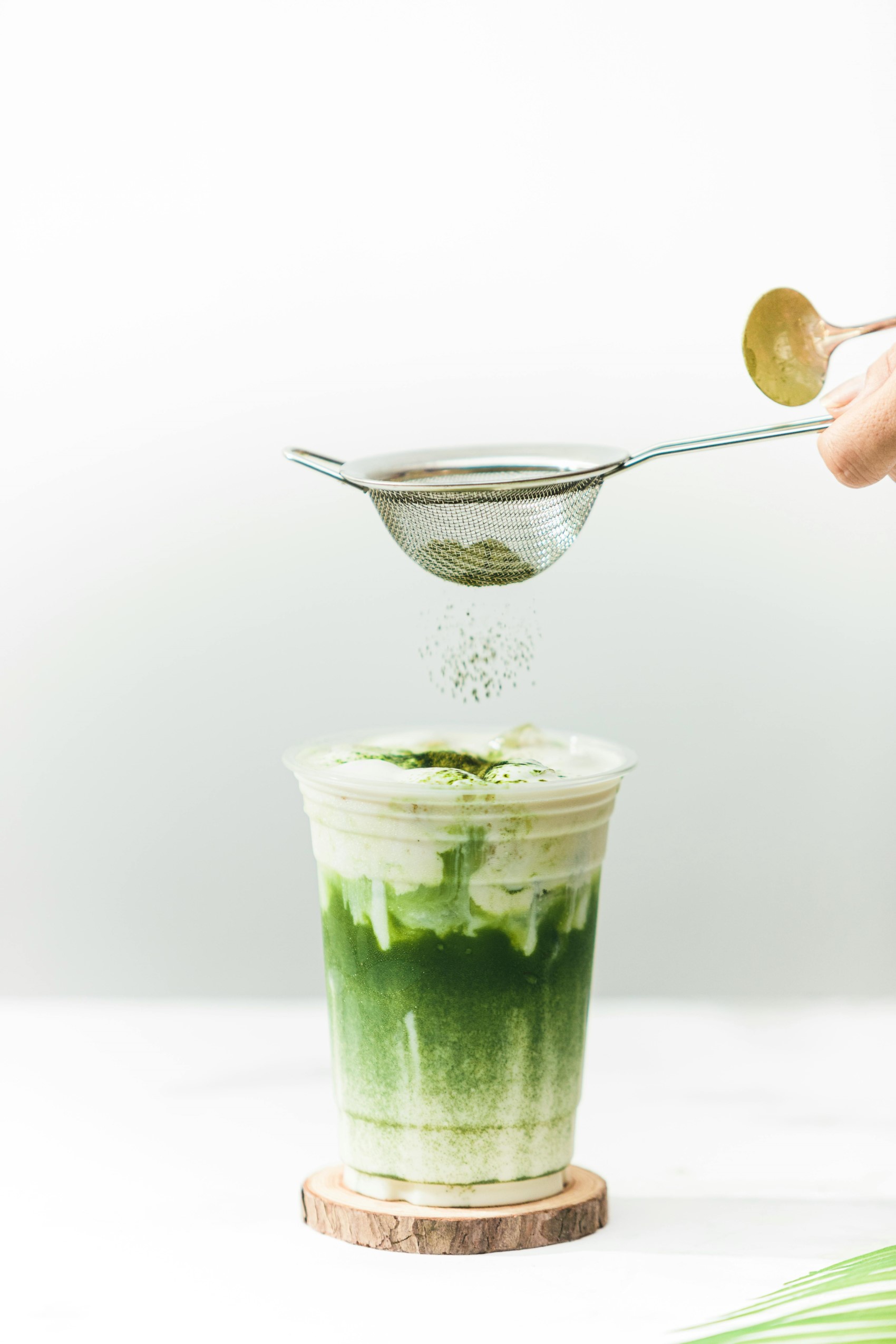
Matcha is a beverage rich in antioxidants, and thanks to this property, it can prevent cell damage and reduce the risk of chronic diseases.
Scientists from Konkuk University in South Korea have revealed that matcha contains 10 times more antioxidants than regular green tea.
 5 / 9
5 / 9
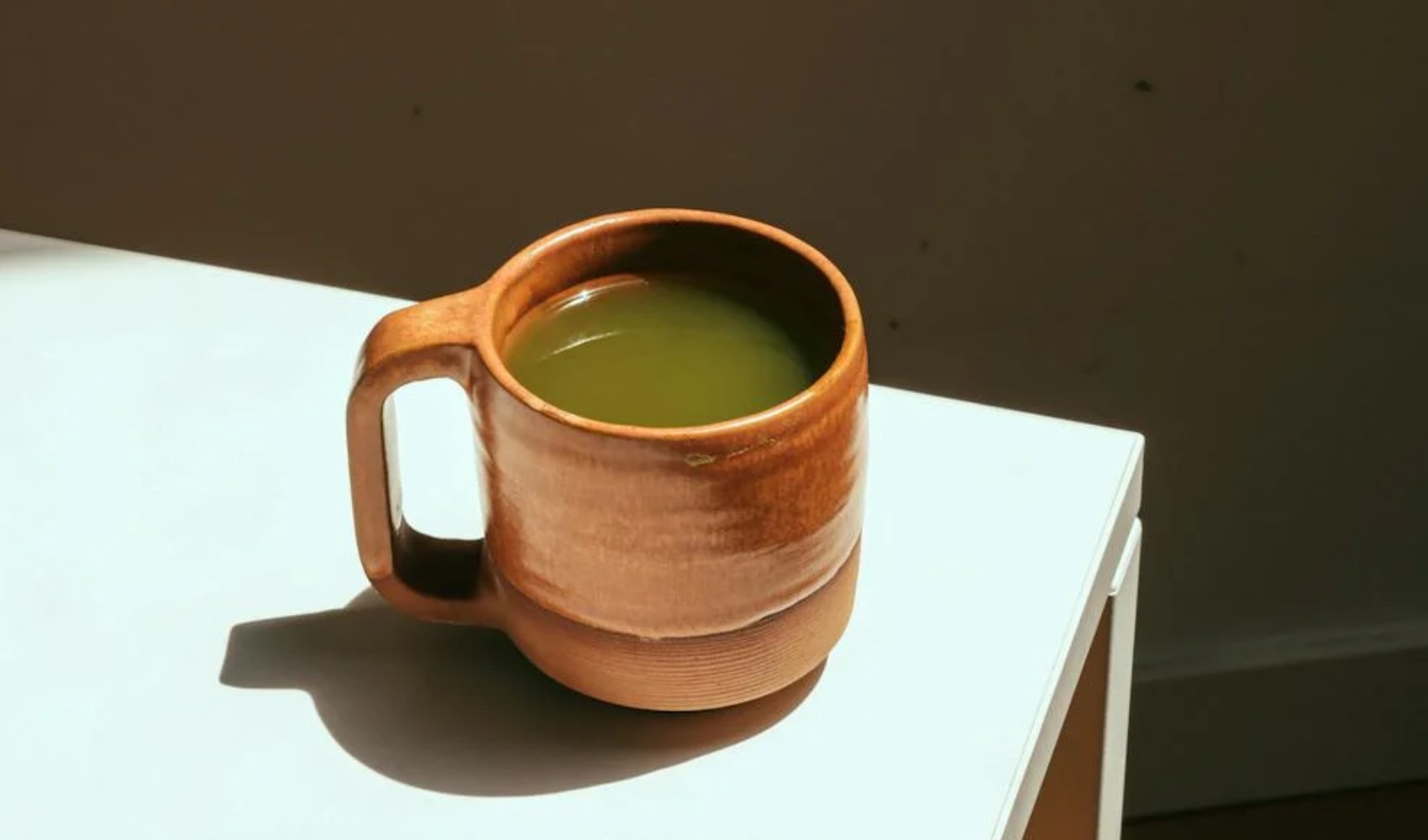
While it is known that green tea accelerates metabolism and increases fat burning, matcha shows similar effects. However, it is recommended to be consumed in moderation due to its caffeine content.
A matcha latte contains approximately 38-176 mg of caffeine, which is less than a cup of coffee.
 6 / 9
6 / 9
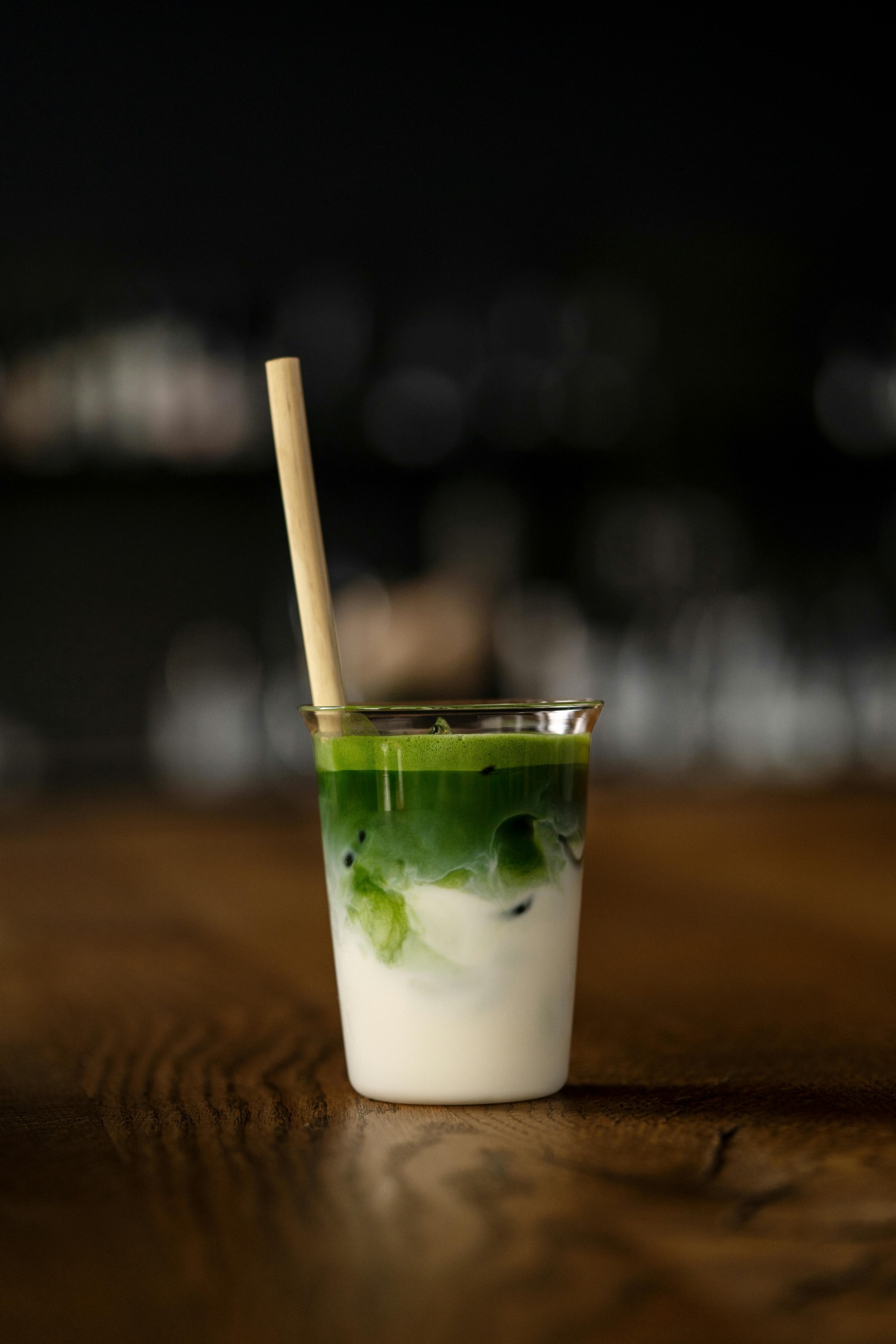
It is noted that thanks to its L-theanine content, matcha has a more calming effect. This amino acid can provide benefits such as stress reduction and anxiety relief.
 7 / 9
7 / 9
DIRTY MATCHA AND QUALITY DIFFERENCES
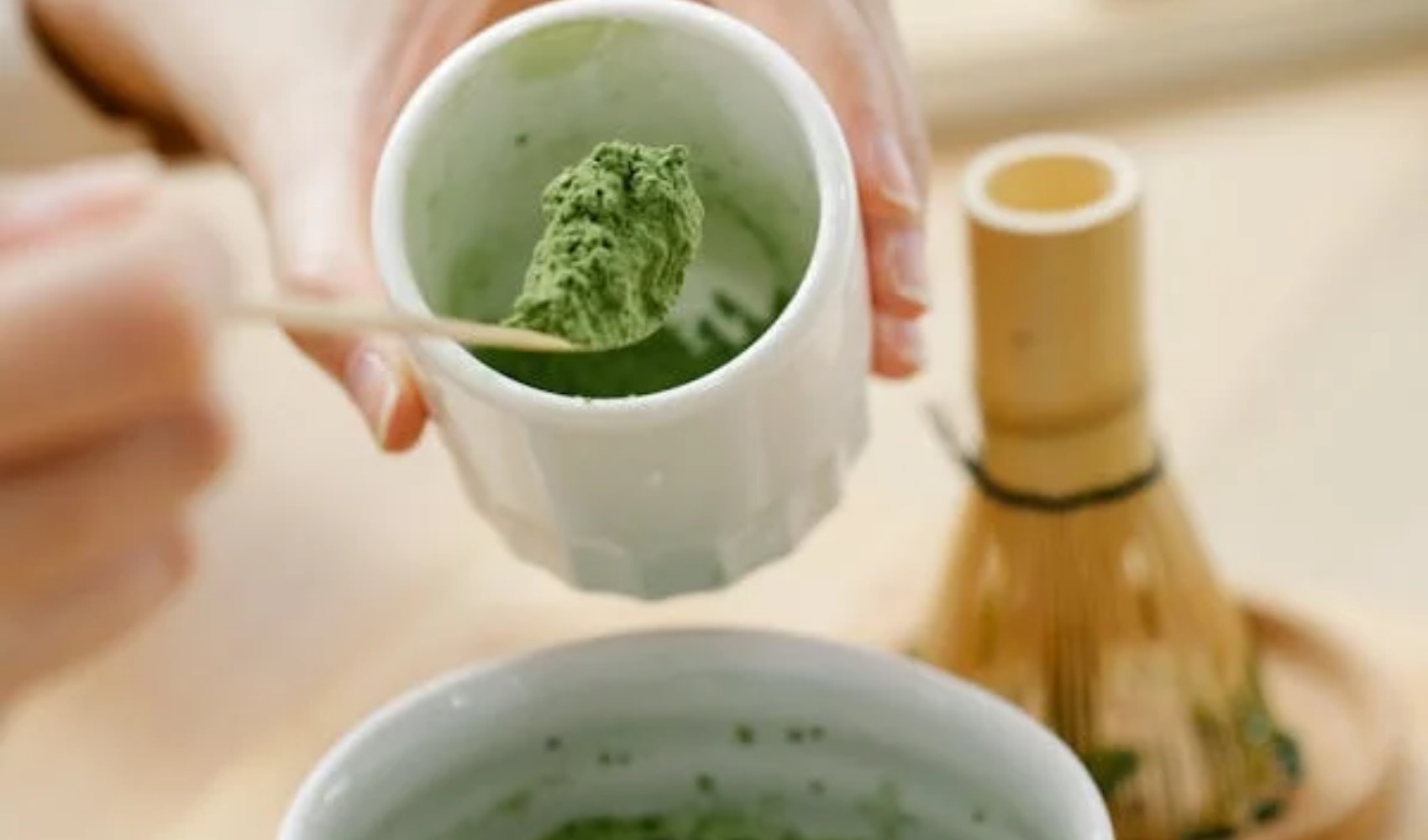
Dirty matcha is prepared by adding an espresso shot to a mixture of matcha and milk. This beverage combines the alertness effect of caffeine with the calming properties of matcha. However, excessive consumption is not recommended.
 8 / 9
8 / 9
The increasing popularity of matcha also leads to quality differences. A large portion of the matcha produced in Japan is exported, and this situation has caused some companies to impose purchasing restrictions. Nutritionists warn that the quality of matcha powder can vary and recommend obtaining it from reliable sources.
 9 / 9
9 / 9
Matcha tea has solidified its place in both the traditional and modern worlds. However, to fully benefit from its health advantages, quality products should be preferred and moderate consumption should be maintained.
News Source : 12punto