12punto.com.tr
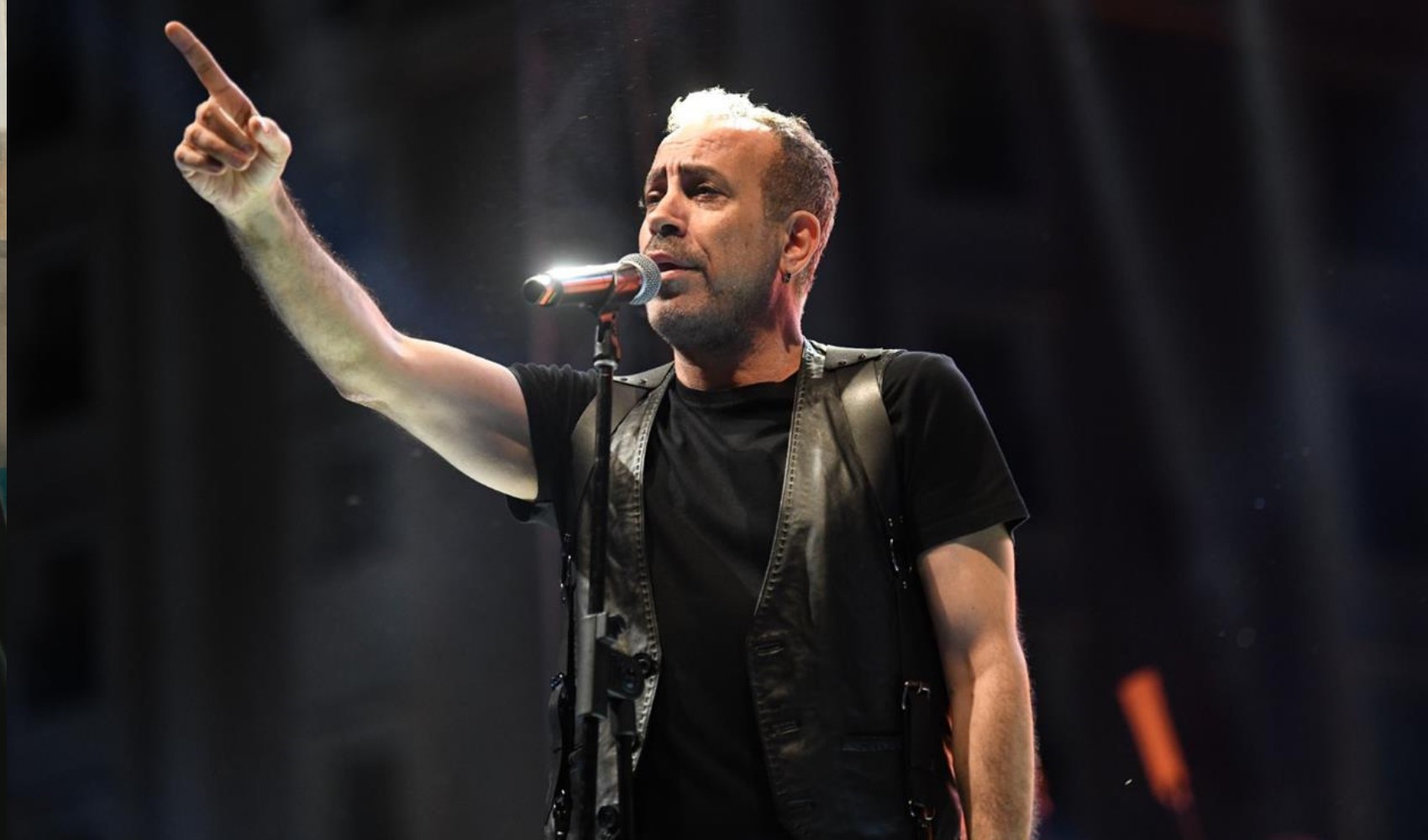
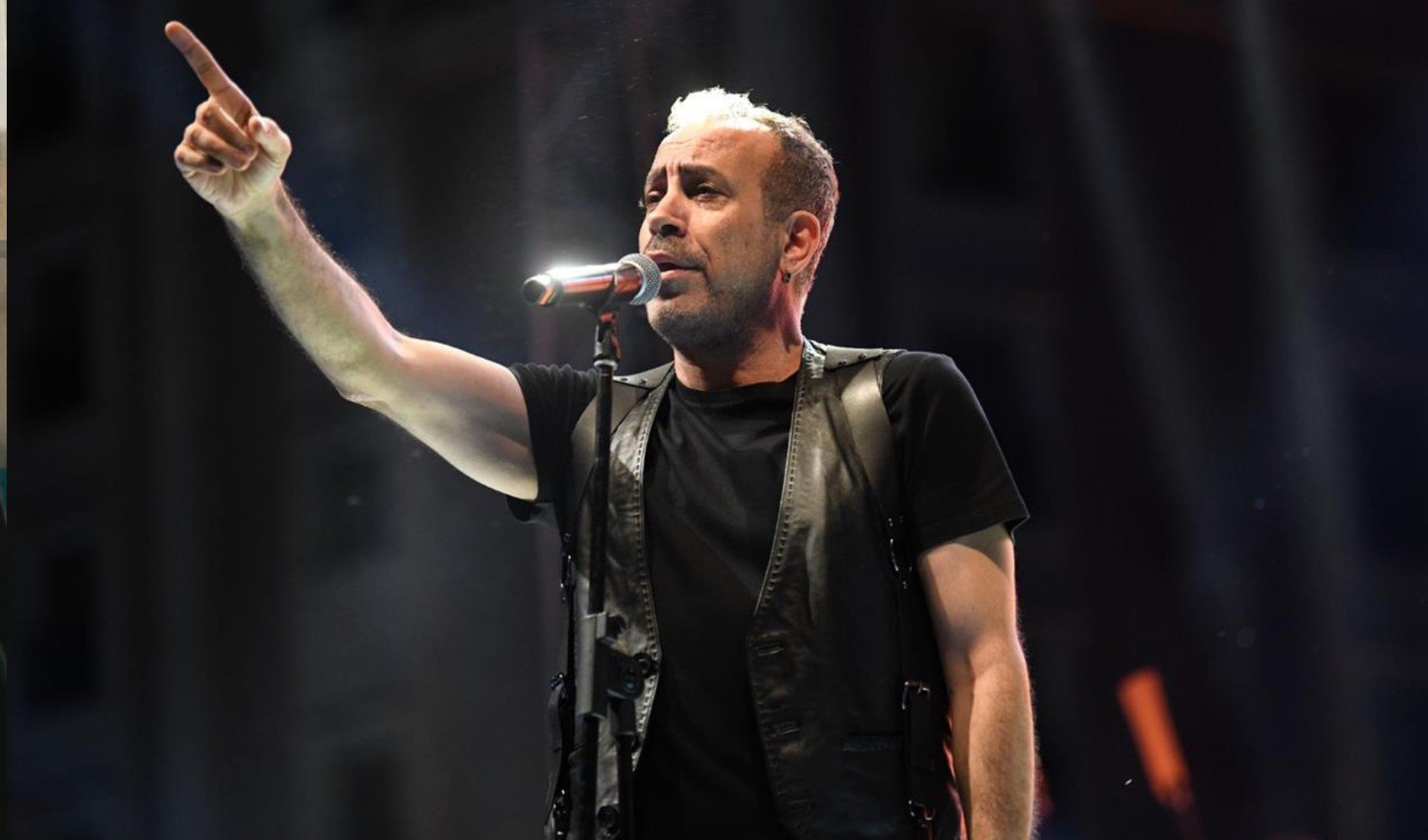
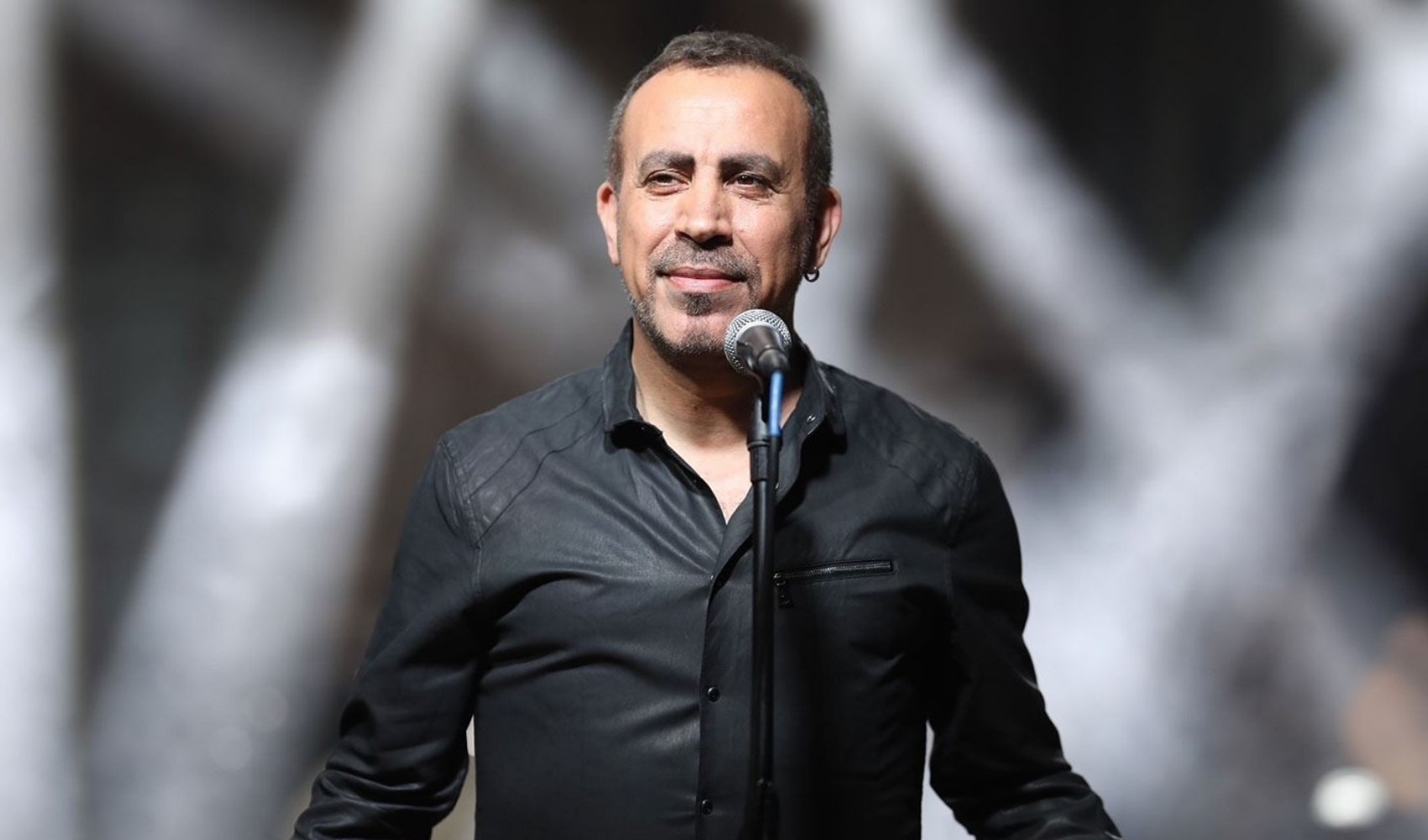
The life of Haluk Levent, who has made a name for himself in recent years with both his music career and his charitable activities, is being adapted for the silver screen.
'I DON'T HAVE THE TIME'
Commenting on the subject, Levent said, "My film is being made. I will not be playing myself. Someone else will play me. Because I don't have the time. Otherwise, my acting is good; I am confident in myself."
WHO IS HALUK LEVENT?
He was born on November 26, 1968, in the Yamaçlı neighborhood of the Yüreğir district in Adana. Haluk Levent, the eighth of nine children, states that his family is Nusayri but that they are not Arab. He attended primary school at Sabancı Primary School. He graduated from Adana Atatürk High School.
Later, he spent short periods as a student at Karadeniz Technical University's Department of Forest Engineering, Ankara University's Kastamonu Vocational School's Computer Programming program, Middle East Technical University's Department of Physics, and Ankara University's Department of Accounting, respectively.
He would pass university entrance exams but could not progress steadily in his education. His family's financial difficulties played a significant role in this situation. During these years spent taking exams, Haluk Levent engaged in trade, but left Adana as an unsuccessful businessman and took to the road.
The fact that his first album was titled "Yollarda" (On the Roads) is due to his experiences during these days. He traveled to many cities and sang songs. At times, he tried to collect money by walking from street to street singing for a sick girl. He was successful in some of these efforts.
He came to Istanbul in 1992. He worked in various bars in Ortaköy. He met Yıldıray Gürgen. His album work, which he started in 1990, bore fruit after three arduous and exhausting years. In July 1993, he released the album Yollarda.
This album was also one of the first works of the second rise of Anatolian rock music after the 70s, when it first emerged.
In the same year, Moğollar also released a new album after a 20-year hiatus. Yollarda reached a sales figure of approximately two hundred thousand, which was completely unexpected. This was like the first sign that a new lane opened in the Turkish music market would lead millions in its wake.
Following his first album, he achieved sales figures approaching one million in October 1995 with Bir Gece Vakti. Then, at the very end of 1996, the album Arkadaş was released.
With this album, the artist signed one of the most successful examples of Anatolian rock music in a musical sense. The artist says of the Arkadaş album, "I reached world standards with this album."
He released the Mektup album with recordings he had made before entering prison. The letter was written from the inside to the outside, and hundreds of thousands of people read this "Letter" on the outside. He did not stay idle inside; he wrote his first book, titled Kedi Köprüsü.
He had escaped from the blinding lights, and even though he had received a hundred thousand letters, in the end, he was left with himself. This "selfness" materialized in a book.
After getting out of prison, he had very little time to prepare his new album because his 18-month military service was waiting. Under these conditions, he released the album Yine Ayrılık in September 1998 and went to the military.
While in the military, he gave concerts in places in Turkey that he had never been to before. He gave concerts all over Eastern and Southeastern Anatolia.
After the 1999 earthquake, he worked personally in the tent cities established in İzmit and set up tents. He gave concerts for the benefit of earthquake victims. While in the military, he spent all his leave days in the studio.
At the very beginning of 2000, he released www.leyla.com. He touched upon how emotions were becoming digitized in an increasingly digital world and made a reference to Susurluk with the song "Kamyoncunun Türküsü".
Along with this, he worked with high-quality musicians such as Serdar Öztop and Akın Eldes, ensuring the quality of his albums increased. Following his military service, he released the albums Kral Çıplak in February 2001, Bir Erkeğin Günlüğü in October 2002, Aç Pencereni in September 2004, and Annemin Türküleri in April 2005, respectively. He also published his second essay book, Moritos'un Düşleri.
The artist, who stepped into the fifteenth year of his artistic life (2005), gave approximately ten thousand concerts at home and abroad over these past fifteen years. Assuming there are approximately five thousand days in 15 years, we can conclude from this that Haluk Levent gave approximately two concerts every day during these 15 years, and he gave 11 hours of concerts in one day.
Haluk Levent, who is among the artists who give the most concerts in Turkey, did not take money for a very significant portion of these concerts, dedicating the proceeds of the concert to patients in need. This is the reason why the definition of "Charitable Rocker" is attributed to him.
At the same time, the artist, who stands out with his sensitivity to environmental issues, included songs aimed at instilling environmental awareness in almost every album.
He filed lawsuits against projects in different regions of Turkey that were said to harm the environment and intervened in the lawsuits filed. He held protest demonstrations to prevent the extinction of Caretta Caretta turtles in the Kazanlı district of Mersin. Haluk Levent has a daughter named Ela.
He fit fifteen albums, ten thousand concerts, two books, hundreds of awards, charity concerts, two record-breaking concerts, and dozens of environmental lawsuits into his artistic life. In the final months of 2010, he released his album titled Hacivat Karagöz.
It broke viewing records in the virtual world, but this rate was not seen in cassette-CD sales. In February 2014, he released his album titled Dostane. In 2019, he released his album titled Tam Bana Göre.
In 2021, he released the album titled Vasiyet. In this album, Haluk Levent performed the favorite tracks of his mother, Sabriye Acil, whom he lost in 2019.
News Source: 12punto