Specialist Psychologist Jülide Unutmaz from Anadolu Health Center Hospital stated that a person's mental health is put at risk for various reasons, noting, “A person's mental state significantly affects their thoughts, feelings, and behaviors. For this reason, learning to cope with stress is very important for our physical and mental well-being. When our mental integrity is compromised, not only our mood but also our physical health, work life, and social relationships are negatively affected.”

STRESS CAN ALSO ORIGINATE FROM THE PERSON THEMSELVES
Explaining that stress is a physical and psychological reaction to situations where a person feels threatened or under pressure, Unutmaz said, “Stress is a mechanism for the body to adapt; it emerges to respond to changes or demands, so it can be environmental as well as originate from the person themselves. It can manifest itself through environmental factors such as workload, exams, financial problems, moving, marriage, divorce, or illness; or through internal pressures such as perfectionism, high expectations, and fears, or situations like anxiety about the future or unemployment.”

STRESS MAY BE THE CAUSE OF CONCENTRATION DIFFICULTIES
Explaining that mental health is an individual's state of emotional, psychological, and social well-being, Unutmaz stated, “Being able to manage our stress plays an important role in every moment of life, whether we are building relationships with other people or making important decisions. A balanced mind allows us to maintain our functionality in daily life, build healthy relationships, cope with challenges, and realize our own potential. Although the symptoms of stress can vary from person to person depending on the intensity and duration of the stress, anxiety, restlessness, irritability, anger outbursts, loss of motivation, difficulty concentrating, constant worrying, pessimism, hopelessness, and a desire to withdraw from social relationships are commonly seen.”

PROLONGED PHYSICAL ILLNESSES AFFECT MENTAL HEALTH
Mentioning that while stress is one of the most important factors, there are many others that affect mental health, Unutmaz said, “Anxiety-inducing events, losses, traumatic experiences such as abuse, social isolation, financial difficulties, family conflicts, relationship problems, long-term physical illnesses, substance abuse, poor quality sleep, poor nutrition, lack of self-care, and negative thought patterns affect our psychological state just as much as stress. After a certain point, it is possible to see the physical effects of these encountered adversities, such as headaches, muscle tension, fatigue, sleep problems, digestive issues, palpitations, and changes in appetite.”

10 TIPS FROM AN EXPERT TO BRING STRESS UNDER CONTROL
1- Practice breathing and relaxation exercises, as deep breathing will calm the body.
2- Light sports such as walking, yoga, and pilates reduce stress hormones. Therefore, make sure to include regular exercise in your life.
3- Pay attention to your sleep schedule by trying to go to sleep and wake up at the same time every day.
4- Preventing blood sugar fluctuations increases stress tolerance, so eat a healthy and balanced diet.
5- Determine your priorities during the day and attach importance to time management by breaking your tasks into small pieces.
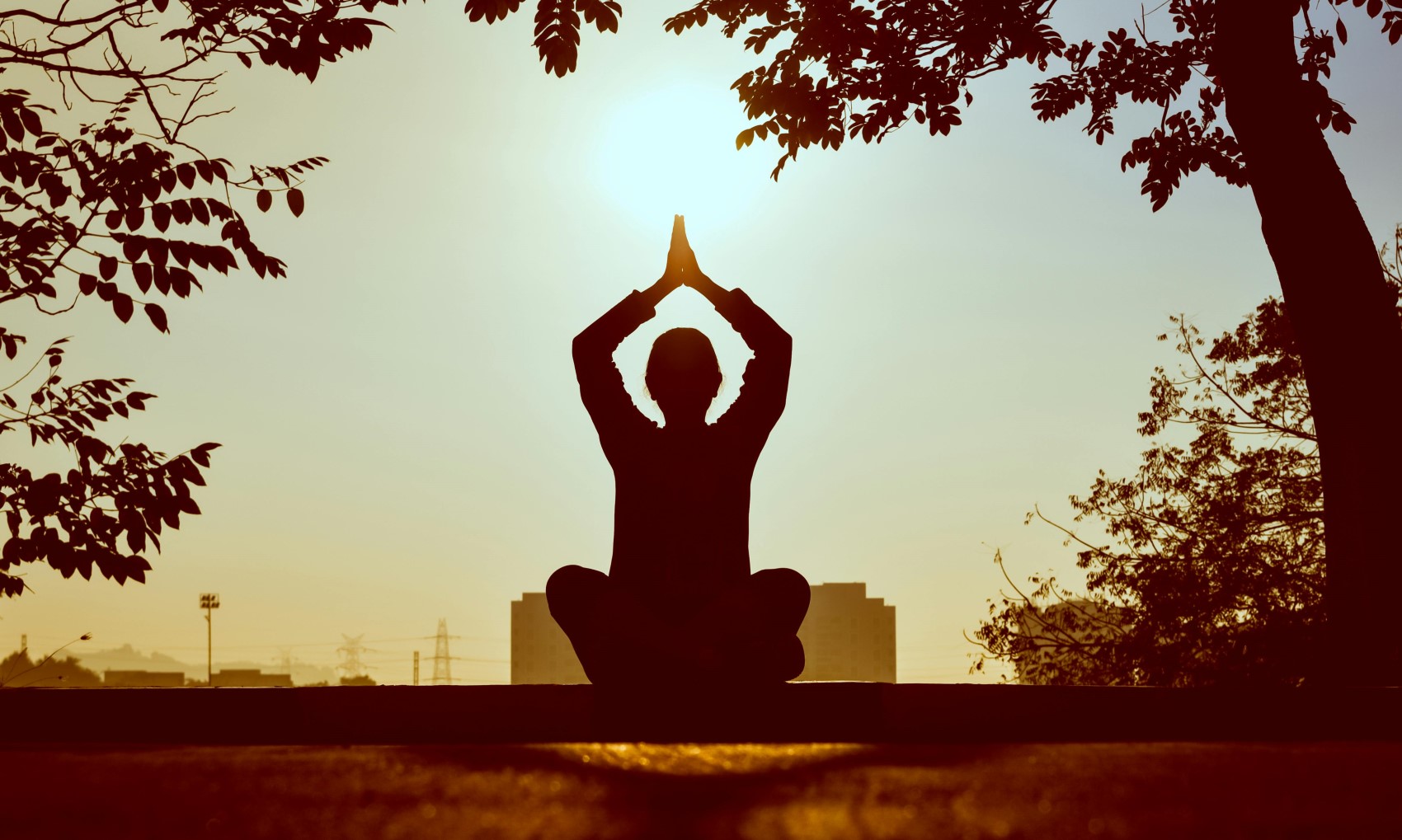
6- Create enjoyable time for yourself, such as engaging in your hobbies, spending time in nature, or listening to music.
7- Know that talking to people you trust has a relaxing effect and do not hesitate to seek social support.
8- Approach yourself kindly and realistically, and recognize and restructure your negative thoughts.
9- Try practicing meditation and mindfulness. Learning to stay in the moment helps to keep your anxieties under control.
10- If you are experiencing serious mental distress related to stress, seek professional help. Getting support from psychologists both lightens your emotional burden and helps you discover new ways to cope with your problems.

News Source: 12punto