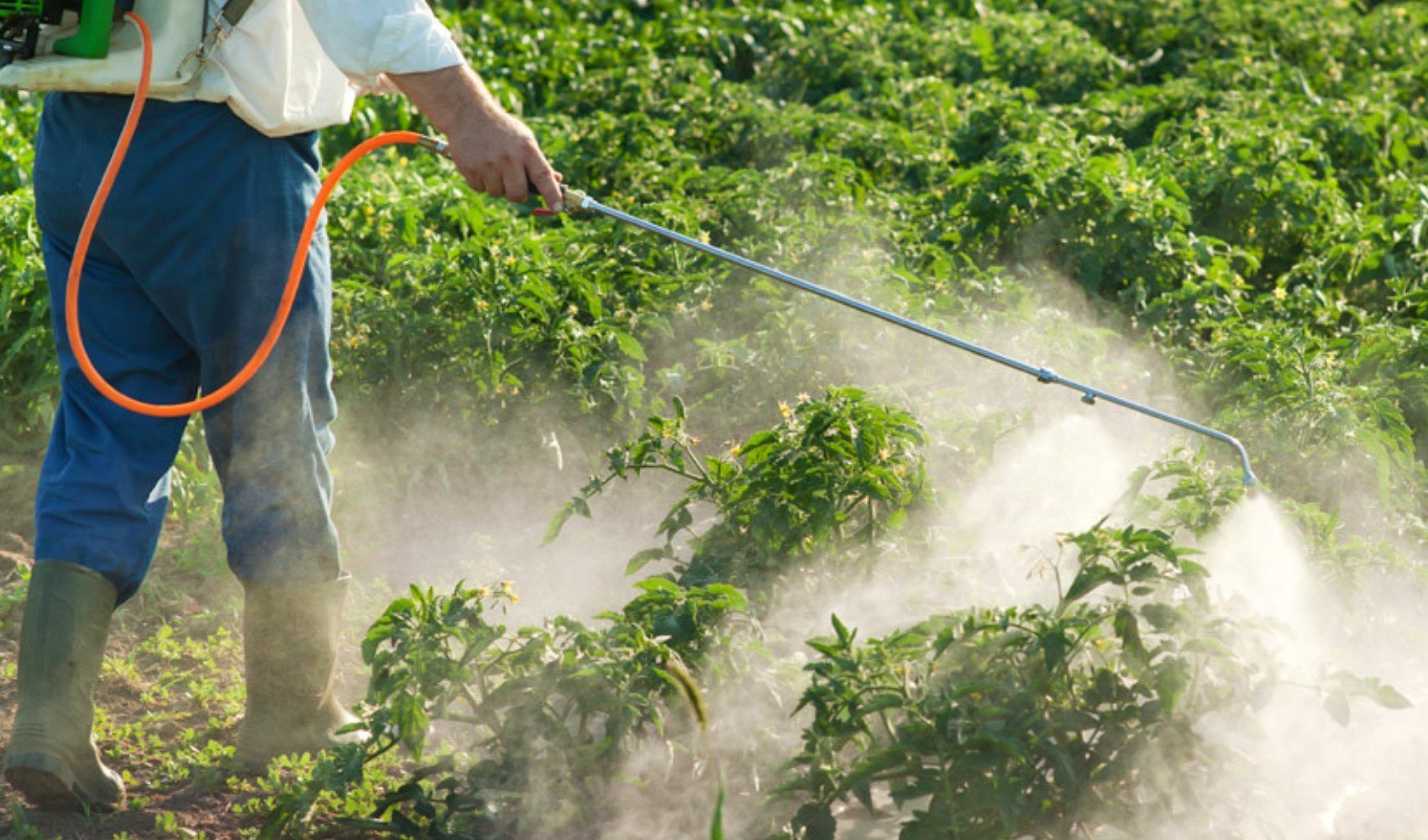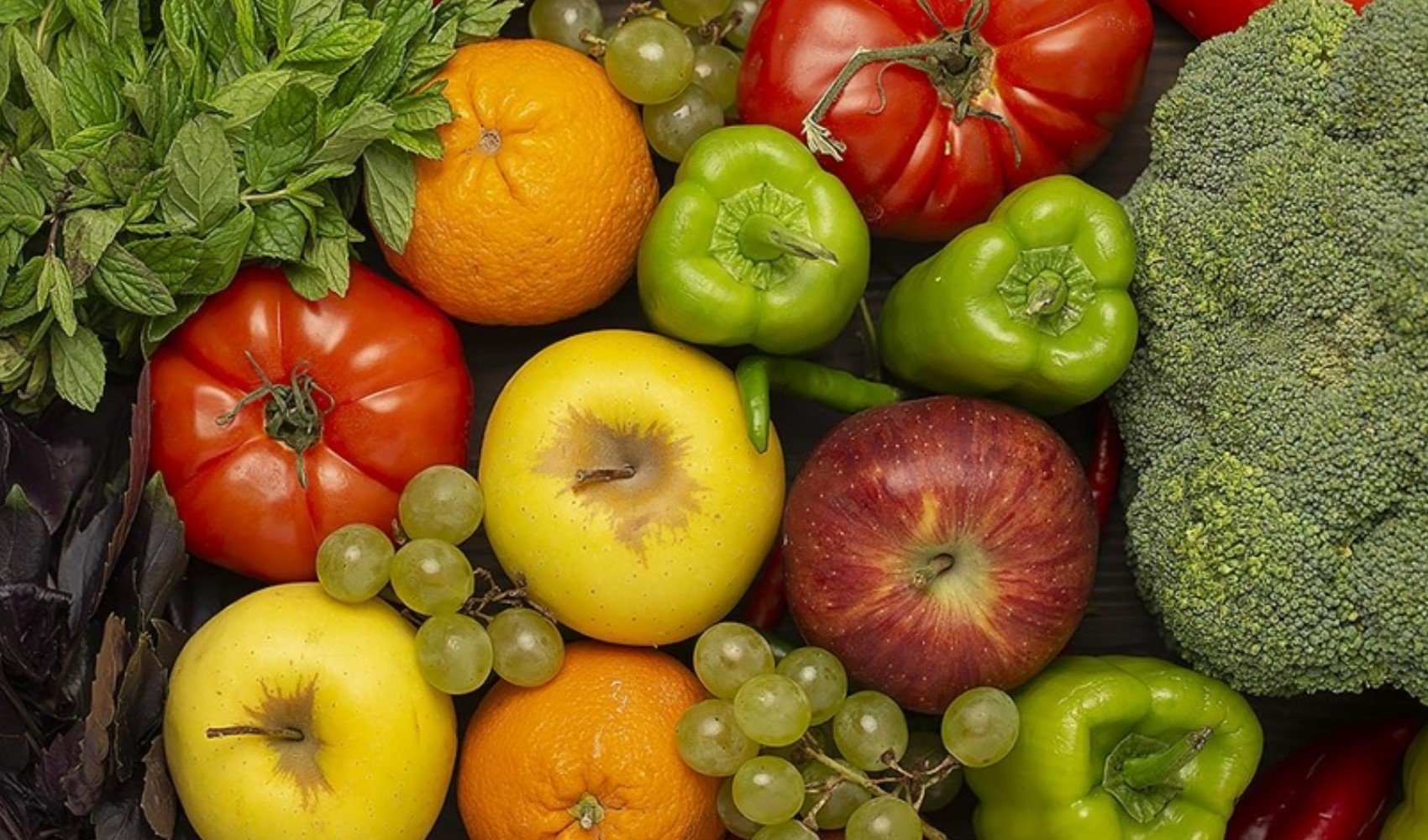
Pesticides, which are widely used to increase agricultural productivity and combat pests, reach our tables. These chemicals that remain on fruits and vegetables after harvest are called 'pesticide residues' and are generally invisible to the naked eye. Research shows that long-term exposure to these residues can weaken the immune system, lead to hormonal imbalances, and increase the risk of cancer. Sensitive groups, especially children, the elderly, and pregnant women, are at greater risk.
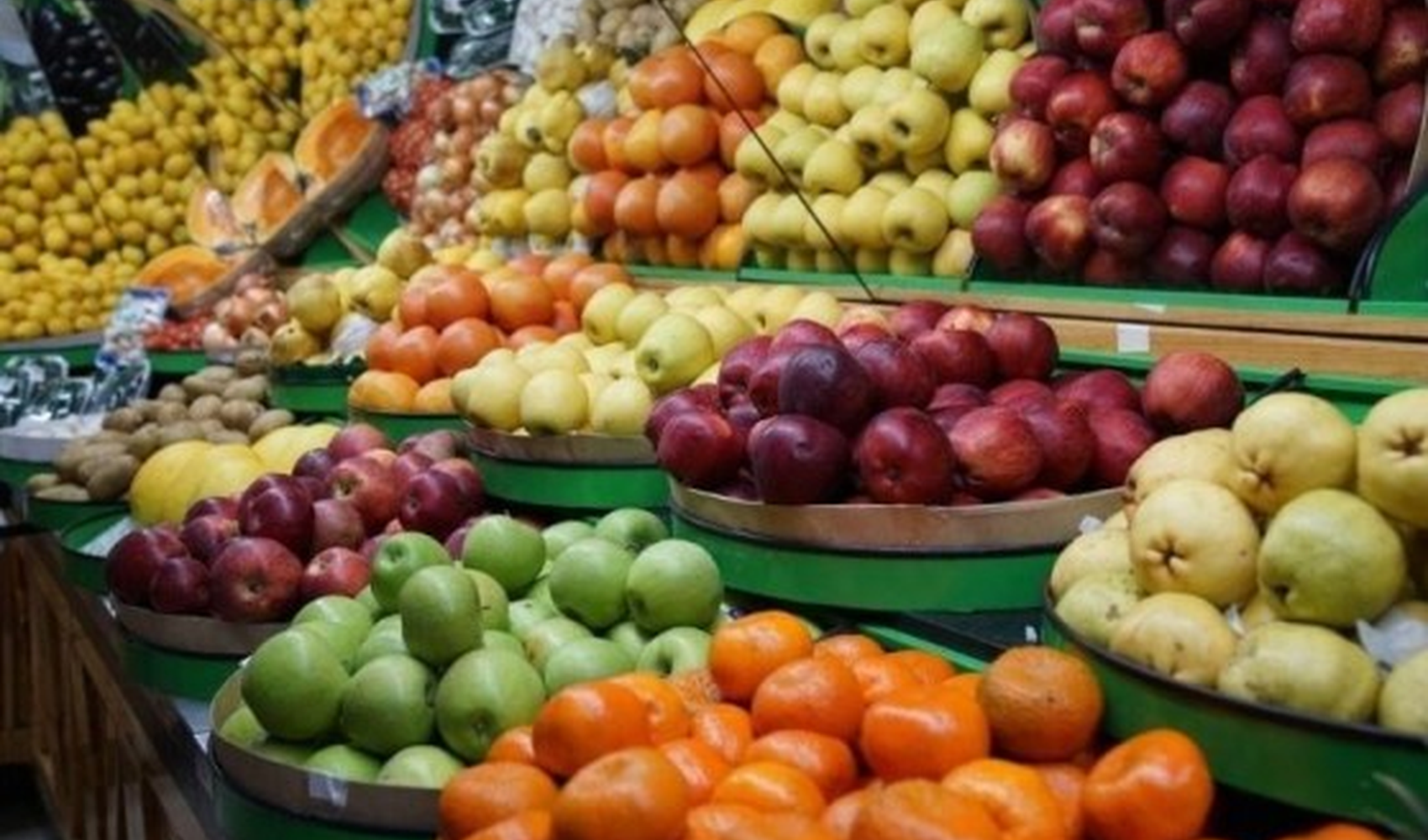
Some vegetables and fruits absorb more pesticides due to their structure. Here are the 10 foods that contain the most pesticide residues:
Strawberries: They easily absorb pesticides due to their small seeds and soft texture.
Spinach: It is susceptible to residues due to its thin leaves and growth close to the soil.
Nectarines and peaches: Their thin skins make it easier for chemicals to pass into the fruit.
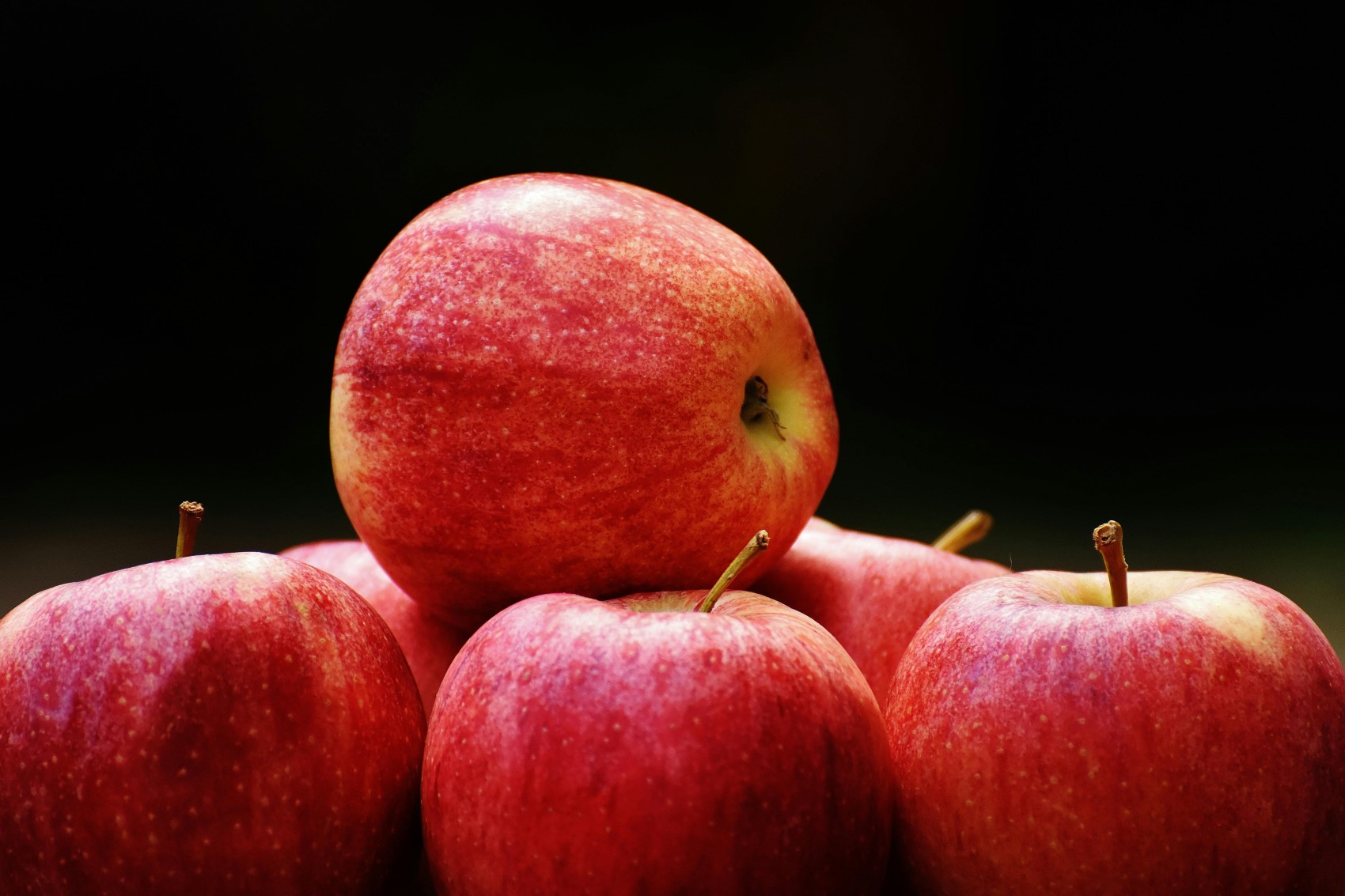
Apples: They are treated with chemical coatings for a shiny appearance.
Grapes: They contain high levels of residue because each individual berry is sprayed separately.
Bell peppers: Their smooth surface makes it easier for pesticides to adhere.
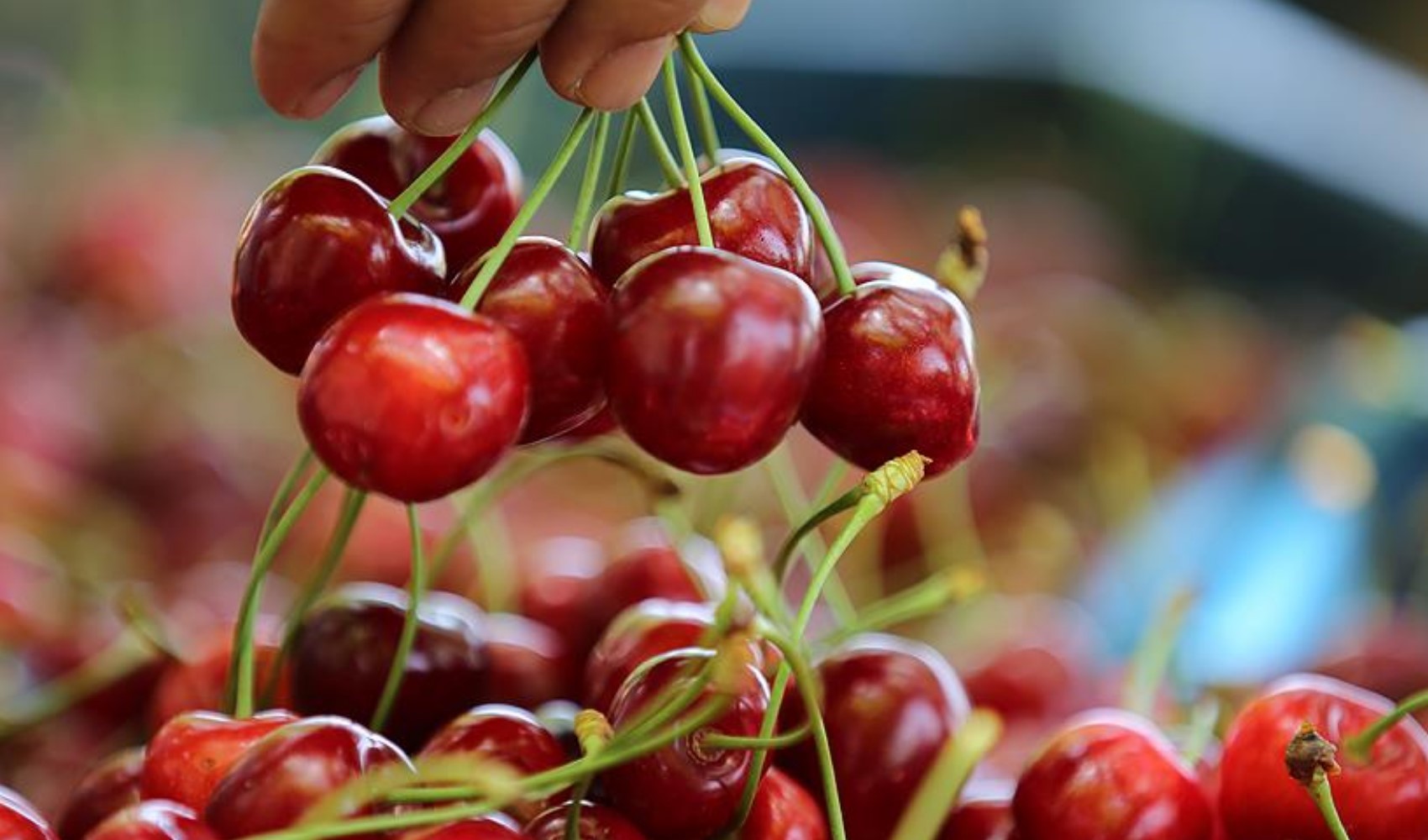
Cherries: Residues are difficult to remove even after washing.
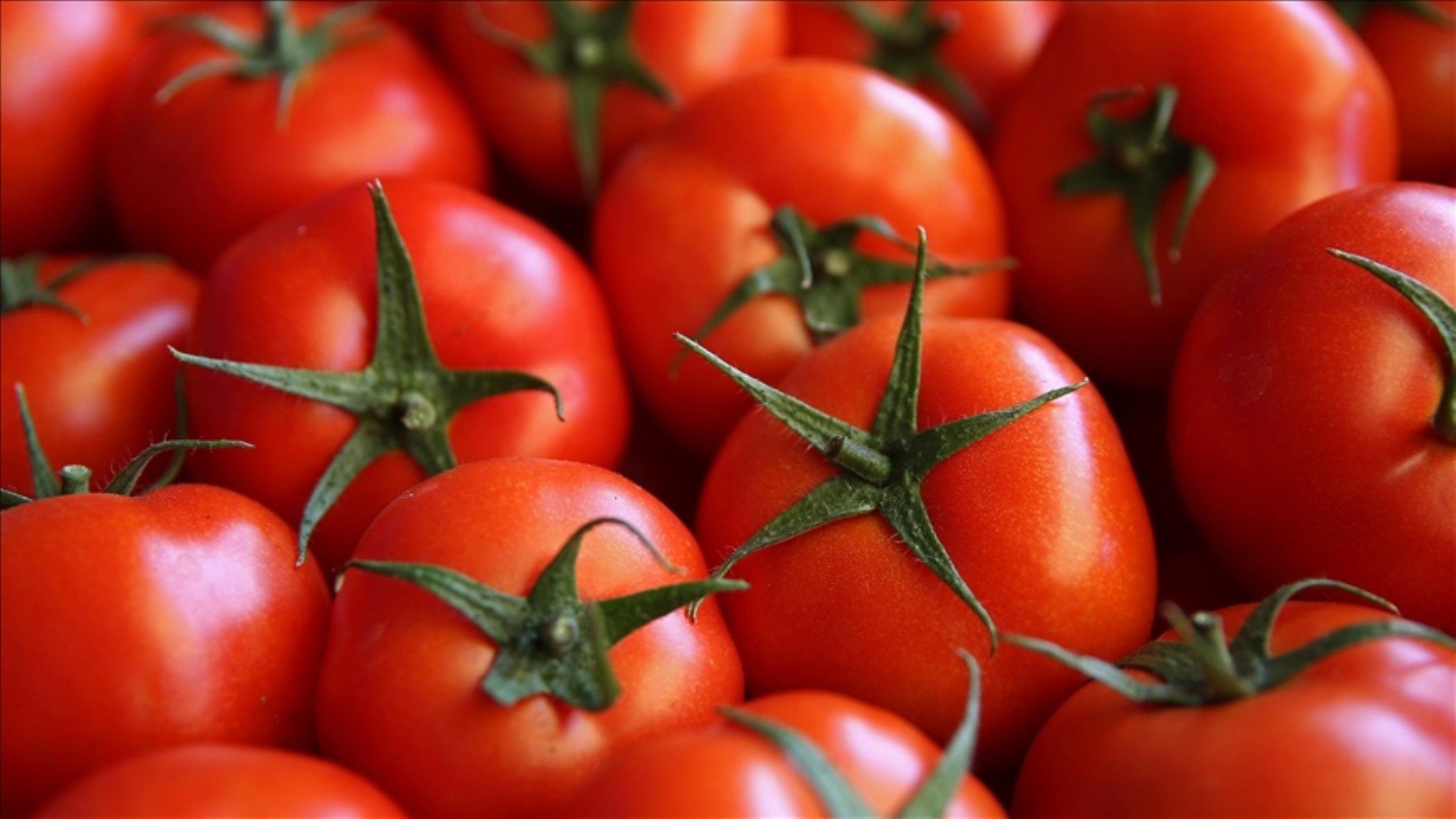
Tomatoes: Greenhouse-grown ones carry more risk.
Potatoes: Although they grow underground, chemicals can reach the root.
Greens: Due to their water-retaining structure, they can harbor pesticides and bacteria.
To reduce pesticide residues, it is recommended to soak vegetables and fruits in water with vinegar, lemon, or baking soda. Consuming fruits that can be peeled without their skins, and choosing organic and local products can also reduce the risk. Additionally, ensuring variety in frequently consumed foods is important.
News Source: 12punto