WHAT IS ANTINATALISM?
Antinatalism, which adopts a negative stance toward the act of birth, is a philosophical system of thought commonly known as "anti-birth." This view considers the reproduction of individuals to be morally wrong and argues that reproduction can lead to undesirable consequences. Proponents of antinatalism have written various articles in literary and scientific fields to support these ideas. These writings aim to highlight the fundamental ethical arguments of antinatalism.
According to antinatalism, which has roots dating back to Ancient Greece, it is considered ideal to have never been born and for those who are already living to refrain from reproducing. Antinatalism is divided into two main categories: strong antinatalism and weak antinatalism. While strong antinatalism argues that the act of reproduction should be rejected under all circumstances, weak antinatalism suggests that reproduction may be acceptable if certain conditions are met. These views also encompass various intermediate approaches.

THE MAIN BRANCHES OF ANTINATALISM
According to strong antinatalism, one of the main branches of the anti-birth view, the act of reproduction should be completely rejected regardless of all conditions and circumstances. For this anti-reproduction view, the act is considered selfish.
According to strong antinatalism, not only do those who reproduce act selfishly, but the living conditions of the child brought into the world will also result in negative outcomes. The child brought into the world has not given consent to face all the negative situations that may occur throughout life. At this point, all the negative situations the child will experience are a result of the selfish actions of the individuals who performed the act of reproduction.
The second main type of antinatalism, weak antinatalism, has a more flexible structure compared to strong antinatalism. Within the scope of this view, the act of reproduction can be acceptable under certain conditions. One of the fundamental requirements of weak antinatalism is that the current population be kept in balance.

Instead of opposing the total extinction of the human race, weak antinatalism is based on limiting reproduction and stabilizing the population. According to this understanding, individuals who wish to become parents must meet certain mental and physical criteria. Furthermore, those who wish to have children must be economically strong and sufficiently educated.
In accordance with these conditions, reproduction can take place while maintaining population balance. Weak antinatalism is not limited only to individuals permitted to reproduce; it also envisions various regulations for the children brought into the world. From this perspective, children born should be subjected to certain mental and physical tests throughout their lives alongside their parents. Additionally, children who lose their parents should be placed under the protection of state institutions or other families.
Intermediate Views of Antinatalism
In addition to the main branches of weak and strong antinatalism, there are various intermediate ideas that offer different perspectives on the acts of reproduction and birth. These intermediate ideas are as follows:
Denatalism
This intermediate view aims for the reproduction of individuals with genetic disorders to cease, with the goal of completely eradicating genetic diseases as a result.
Promortalism
Promortalism, another intermediate view, argues that ending life is the most morally correct thing to do. Within the scope of this view, humanity should be eliminated quickly and without suffering.
Childfree
This intermediate view can be explained as a lifestyle in addition to being a perspective. As a result of this view, it is advocated that individuals adopt a child-free life in accordance with their own interests.
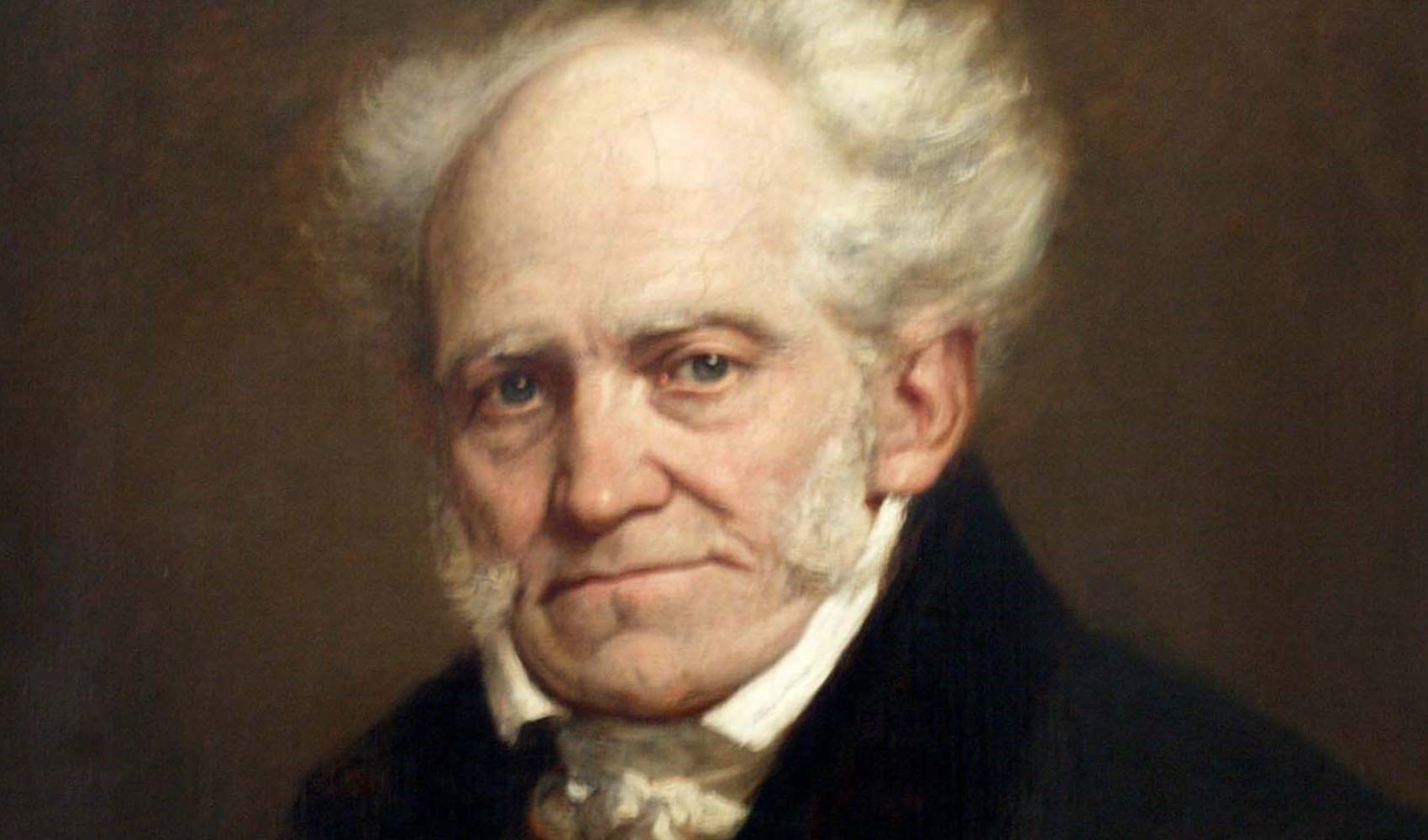
The essential ideas of antinatalism, which is divided into various branches and intermediate views, are shaped along the lines of Arthur Schopenhauer, who is also considered the pioneer of this philosophical view.
News Source: 12punto