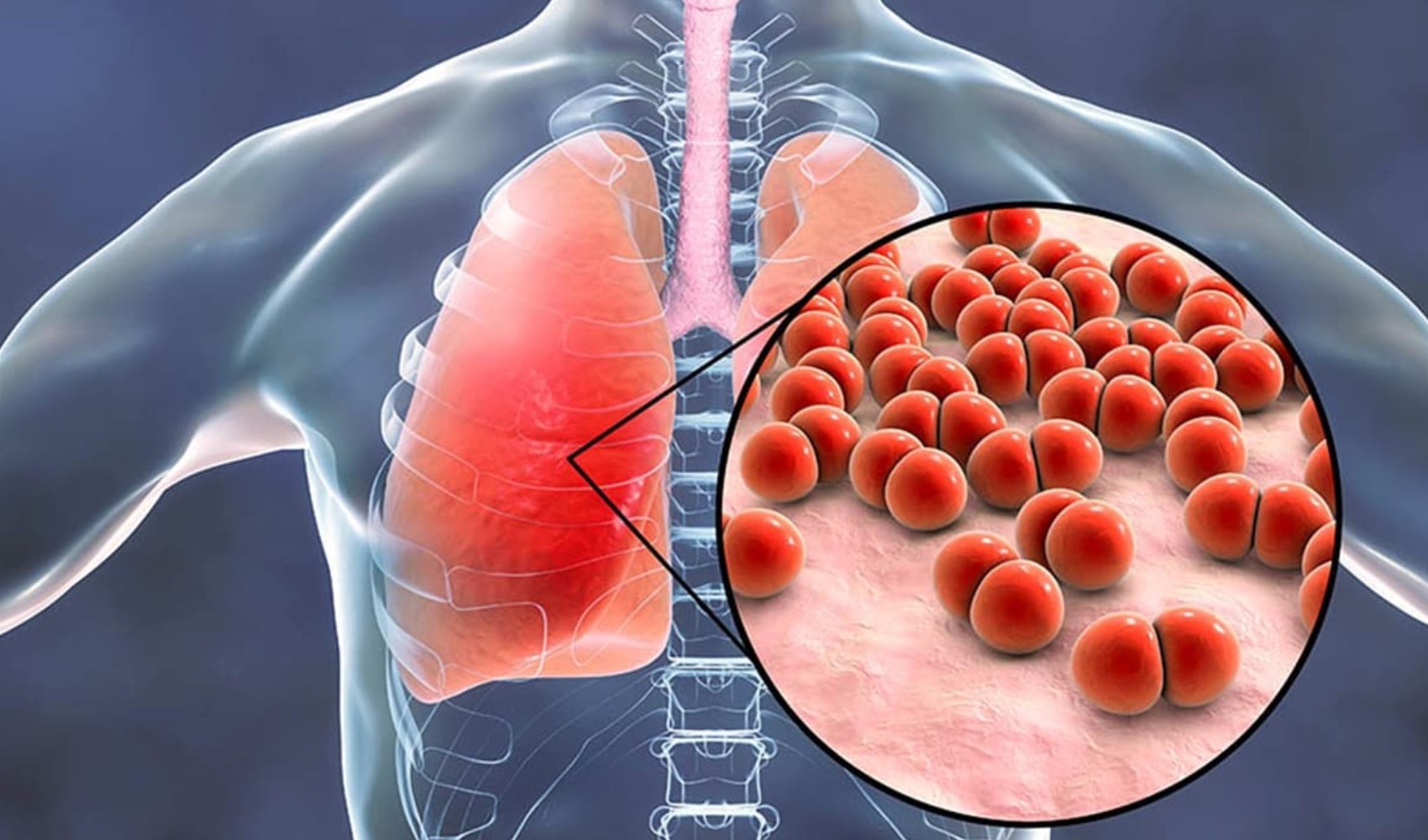
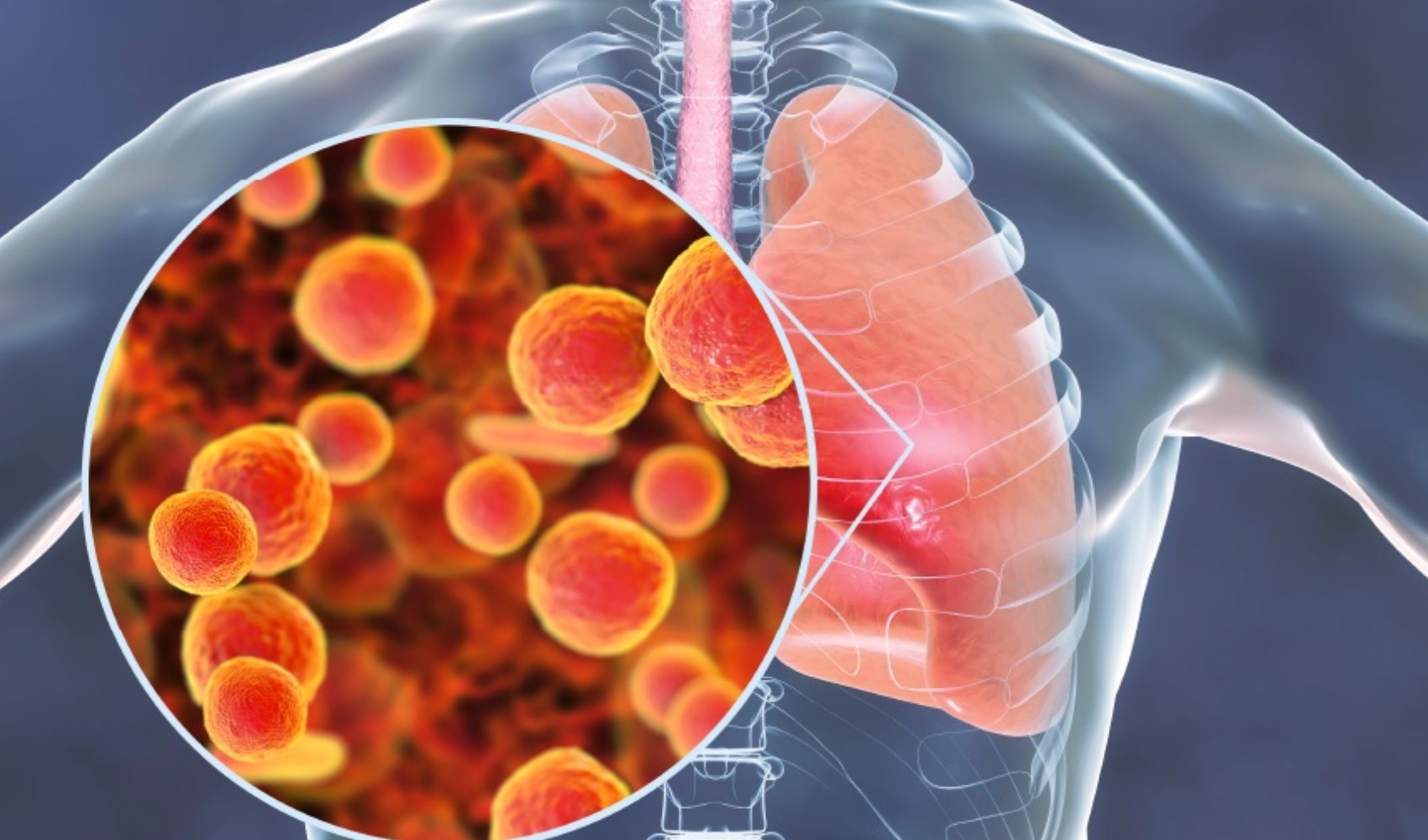
Pneumonia is an infectious disease that occurs when the air sacs in the lungs become inflamed and fill with fluid. This condition is usually triggered by viruses, bacteria, and rarely fungal infections. It poses a serious risk, especially for children under 2 years of age, those with weakened immune systems, and individuals over 65. Common symptoms of pneumonia include cough, high fever, chest pain, difficulty breathing, and general fatigue. While the bacterium Streptococcus pneumoniae is the most common cause of pneumonia, other types of bacteria and viruses can also trigger the disease.
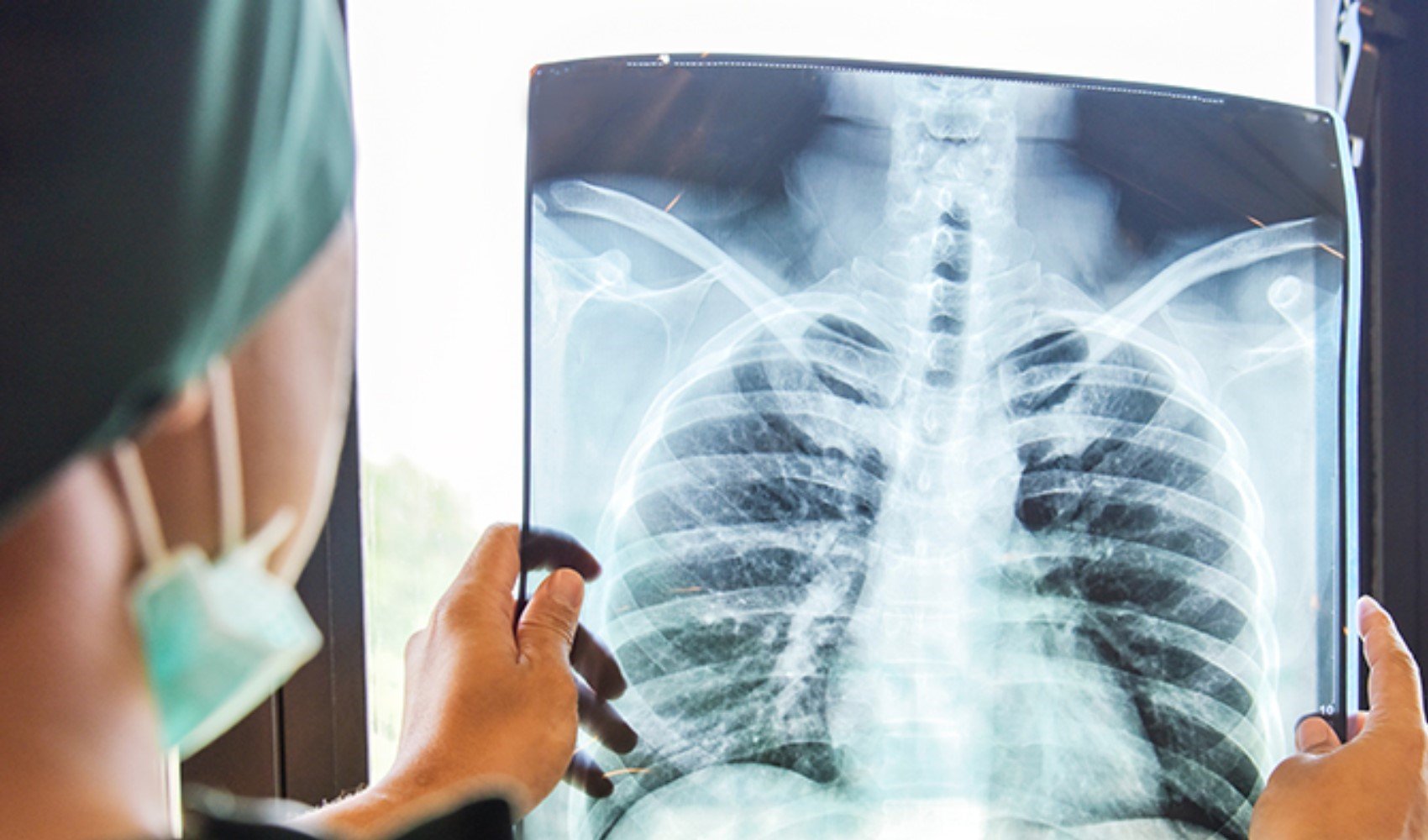
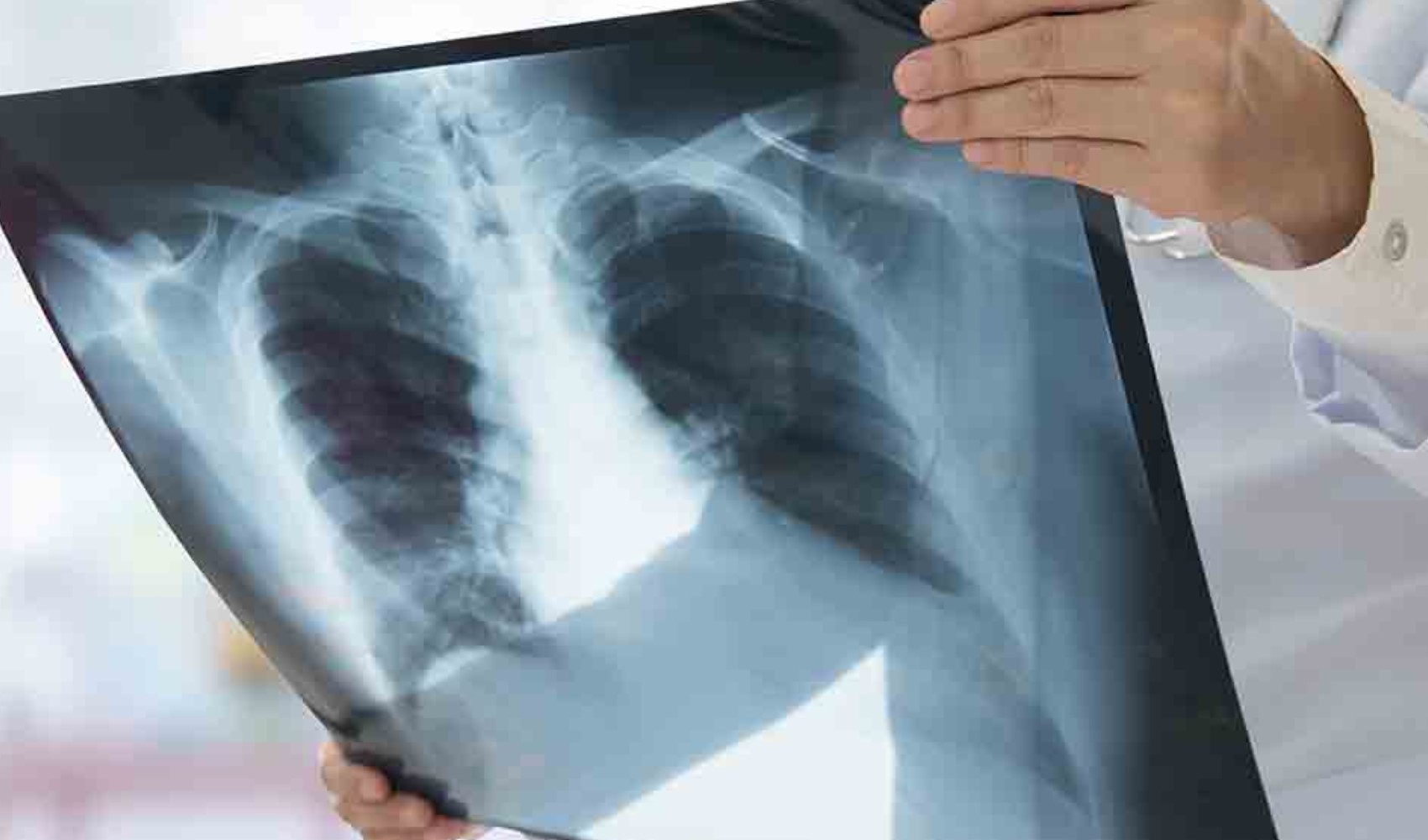
Diagnosis of pneumonia is usually made through a physical examination, chest X-ray, and blood tests. Treatment methods consist of antibiotic use depending on the microorganism causing the disease, or measures such as consuming plenty of fluids and resting. Vaccination is of great importance to protect against the disease, and following personal hygiene rules is also effective in preventing its spread. It is recommended that people in the risk group, in particular, get the pneumonia vaccine.
What are the symptoms of pneumonia?
The incidence of pneumonia increases, especially with the cooling of the weather. Simply put, the symptoms of this disease are the same as other upper respiratory tract infections. Symptoms following a runny nose, sneezing, and coughing appear after a while.
Cough
High fever
Chills and shivering
Persistent yellow-green phlegm
Rapid breathing
Difficulty breathing
Chest pain
Headache
Side pain
Fatigue and weakness
Abdominal pain and bloating
Vomiting or feeling like vomiting
Confusion in people over 65
What are the treatment methods?
Pneumonia is known as a serious respiratory infection that occurs when the air sacs in the lungs become inflamed and fill with fluid. Treatment methods may vary depending on the cause of the disease and the patient's general health status.
If pneumonia is caused by a bacterial infection, antibiotics are the most common treatment method. Doctors prescribe appropriate antibiotics based on the patient's age, general health status, and the type of bacteria causing the infection. In viral pneumonia, since antibiotics are not effective, supportive treatments are usually applied until the disease completes its course. These treatments include consuming plenty of fluids, rest, and fever-reducing medications.
In severe cases or in patients with weakened immune systems, hospital treatment may be required. Oxygen therapy or respiratory support may be necessary, especially for those who have difficulty breathing. Some patients are treated with intravenous antibiotics.
The most effective way to protect against pneumonia is to get vaccinated regularly. The pneumonia vaccine is recommended especially for individuals over 65, young children, and people with weakened immune systems.
News Source: 12punto