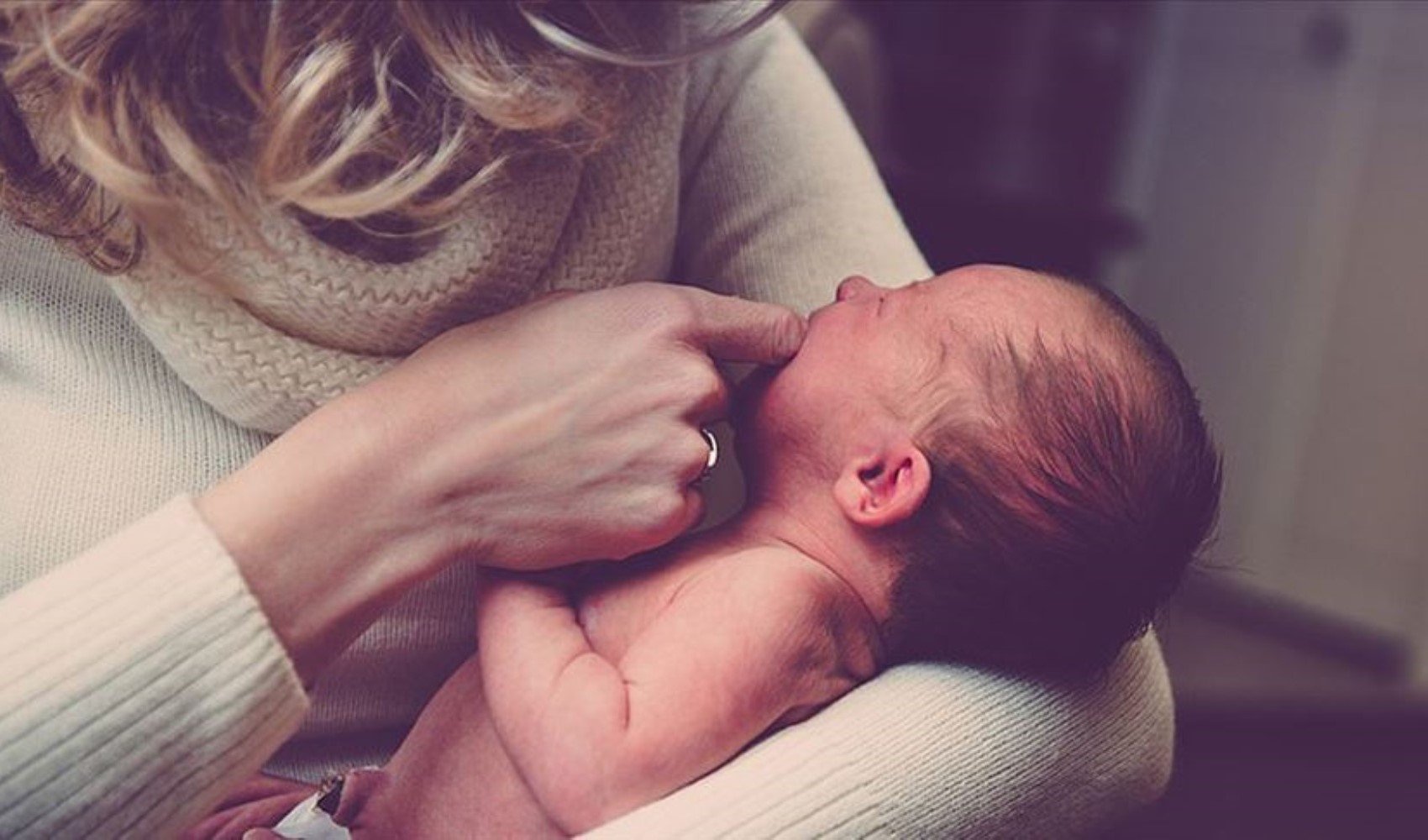
Most of a baby's bones consist of flexible cartilage that has not yet fully ossified. This flexibility provides a great advantage during birth and throughout the development process in the womb. A skeleton with hard bones could make passage through the birth canal difficult and hinder development in the fetal position. For this reason, babies' bones harden over time, and some fuse together to form larger bones.
THE FUSION OF BONES AND THE OSSIFICATION PROCESS
The ossification process begins in the 8th week of embryonic development and continues throughout childhood and adolescence. During this process, cartilage tissues ossify, and some bones fuse with each other, reducing the total number of bones. There are two main types of ossification: Intramembranous ossification allows for the direct ossification of connective tissues and is seen in flat bones such as the skull.
Endochondral ossification, on the other hand, allows the bones that make up the majority of the skeleton to develop and harden over hyaline cartilage.
The soft spots on a baby's skull, called 'fontanelles,' allow the skull bones to flex during birth. These areas harden over time as part of the ossification process.
During the ossification process, cells called 'osteoblasts' produce substances such as collagen and calcium that form the basic structure of the bone. For this reason, a calcium-rich diet during childhood is of great importance for bone health.
At the end of these processes, an adult human skeleton consists of 206 bones.
News Source: 12punto