12punto.com.tr
The 1997 film 'Masumiyet' (Innocence) and the 2006 film 'Kader' (Destiny), both directed by Zeki Demirkubuz, are among the classics of Turkish cinema.
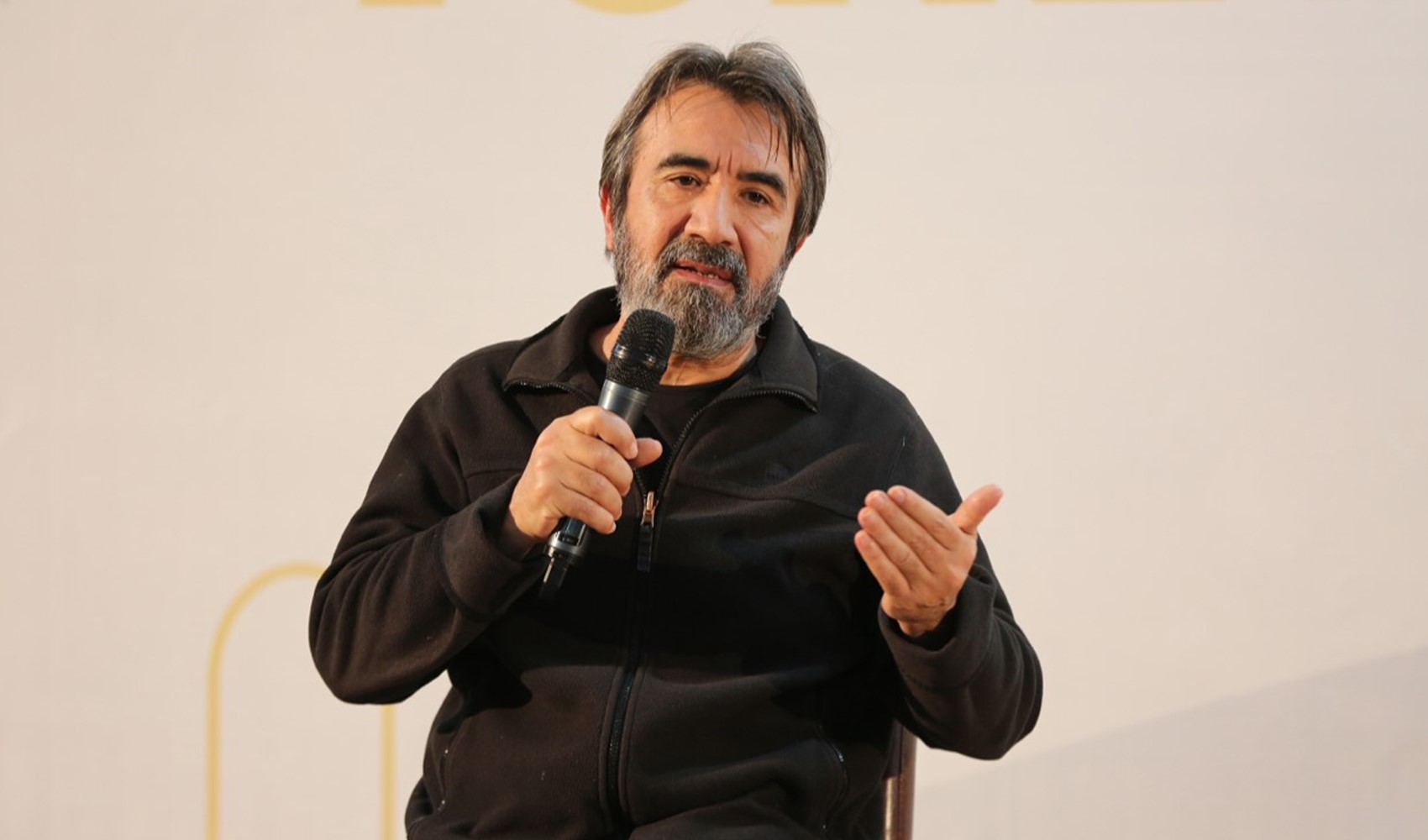
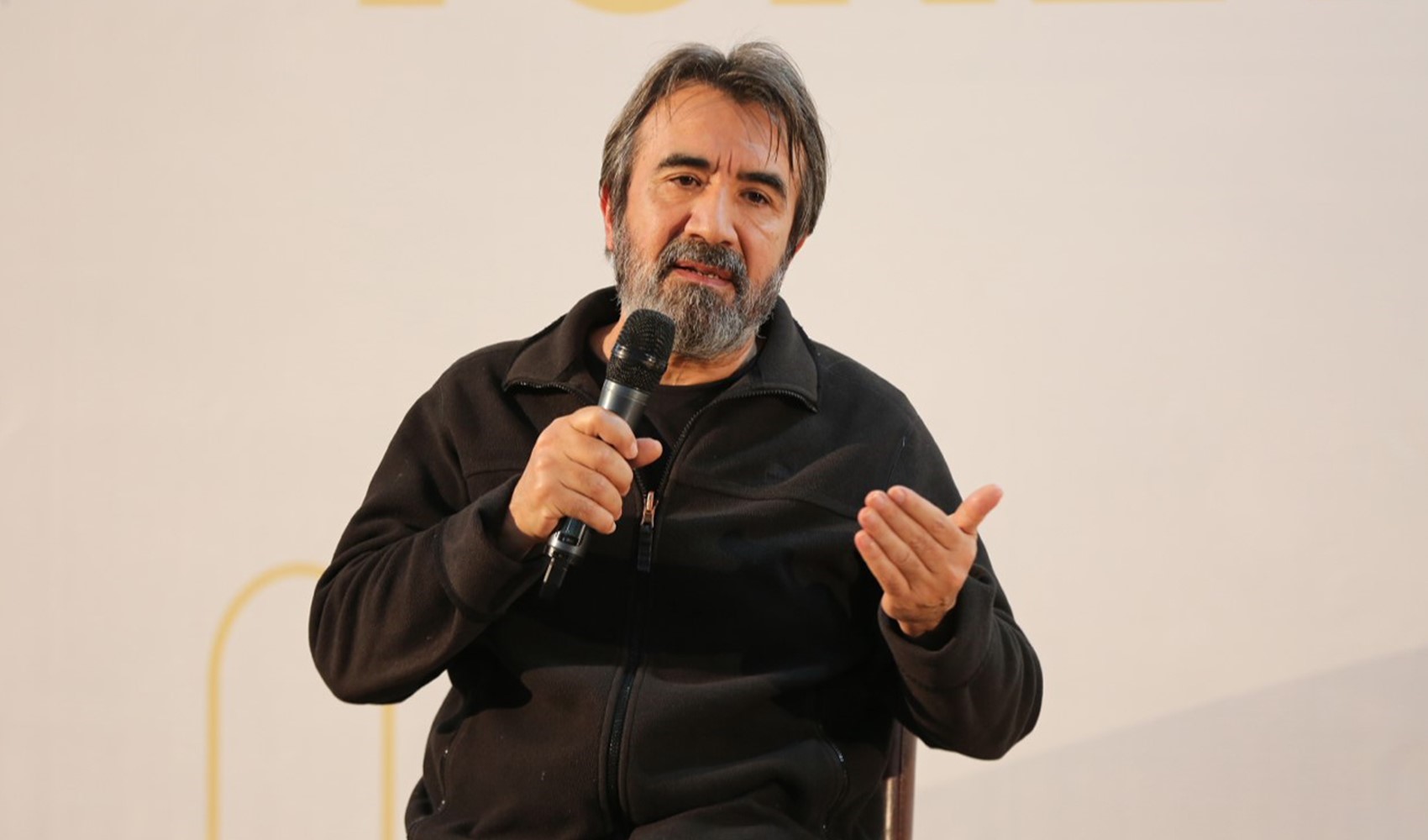
The famous director responded to criticisms made on social media regarding the characters in these films during a program he attended.
'IT IS WRONG TO LOOK DOWN ON PEOPLE'
Demirkubuz said, "Some citizens describe the relationships in these two films and what the protagonists endure for the sake of love as 'toxic.' It is very wrong and a despicable thing to look down on people who experience the emotion of love from the sidelines according to their own perspective."
WHO IS ZEKİ DEMİRKUBUZ?
Zeki Demirkubuz (born July 25, 1964, in Isparta) is a Turkish film director, screenwriter, producer, and actor.
Zeki Demirkubuz was born in Isparta in 1964. After finishing middle school in Isparta at the Isparta Gönen Science High School Gönen Teacher Training School, he moved to Istanbul.
Although he started high school in Istanbul, he dropped out after the first semester and began working in factories and workshops. After the 1980 coup, he was arrested and spent three years in prison, where he was subjected to torture. During this period, he began to take an interest in literature and discovered Dostoevsky.
The lasting effects of Crime and Punishment, in particular, were formed during those years. After his release, he worked as a street vendor in various cities across Anatolia. He decided to return to school to defer his military service and finished high school externally, eventually entering Istanbul University's Faculty of Communication.
He began his career in cinema in 1986 by working as an assistant to Zeki Ökten. He worked as an assistant to various directors until he shot his first feature film, C Blok (Block C). After C Blok, Demirkubuz continued to work as an independent director who writes his own screenplays.
International critics and audiences recognized Demirkubuz with his second film, Masumiyet, which was screened at the Venice Film Festival. Demirkubuz's third film, Üçüncü Sayfa (The Third Page), was shown at numerous film festivals in Europe, including the Locarno and Rotterdam Film Festivals, as well as film festivals in Turkey.
During this period, Zeki Demirkubuz began work on his trilogy, which he titled "Tales on Darkness." The first two films of the trilogy, Yazgı (Fate) and İtiraf (The Confession), were screened in the "Un Certain Regard" section of the Cannes Film Festival in 2002.
Demirkubuz completed his trilogy with Bekleme Odası (The Waiting Room) (2003), in which he also starred, and later directed Kader (2006), which tells the backstory of Masumiyet. Following the film 'Kıskanmak' (Envy), which was released in 2009, he directed the film 'Yeraltı' (Inside) (2012).
He completed the films Bulantı (Nausea) and Kor (Ember) as of 2015. He acted in the film Yoksul, which starred Kemal Sunal, and also appeared in the final episode of the series İşler Güçler.
News Source: 12punto