Aslı Ağırdil - 12punto
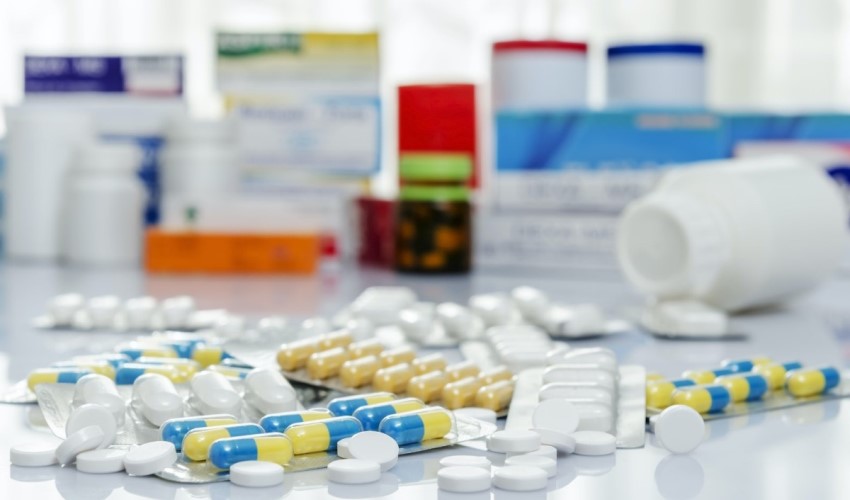
The rise in foreign exchange rates is bringing drug shortages along with it. Looking at the past year in Turkey, drug prices have been hiked three times. Today, there was another 25 percent increase in drug prices. Companies in Turkey have also started to release very small quantities of drugs into the market because they believe they have lost their advantages in supplying them.
Speaking to 12punto, pharmacists stated that there are shortages, especially in antibiotics, AIDS, blood pressure, cholesterol, and prostate medications, as well as eye and ear drops, and most importantly, life-saving cancer drugs.
Pharmacist Cem Kılınç from the Unyielding Drug Workers and Istanbul Pharmacists Association Board Member Pharmacist Simla Dilara Sezgin evaluated the issue for 12punto.
PHARMACEUTICAL COMPANIES ARE NOT SUPPLYING DRUGS
Stating that he could list many reasons for the drug shortage, Kılınç said, "Actually, the biggest problem is the increase in drug prices related to the valuation of the market in our country. A fixed euro exchange rate is used as the basis for determining drug prices, and this rate is updated at certain intervals. With the 30 percent increase in July, it was equalized to 14 TL, but the real euro rate is currently around 31 TL. Pharmaceutical companies are refraining from supplying some drugs to the Turkish market on the grounds that they cannot make enough profit from these price hikes. Therefore, this situation causes drug shortages."
'WE ARE SEARCHING FOR DRUGS IN SOLIDARITY GROUPS'
Stating that the problem of finding drugs is constantly changing, Kılınç noted that when they cannot find drugs, they write to solidarity groups. Kılınç continued as follows:

"The prescription most frequently written by doctors is for antibiotics. However, the antibiotic group is almost non-existent in Turkey. It can be found occasionally in rural areas, but it is completely unavailable in pharmacies in large cities. Among the drugs that cannot be found are AIDS, blood pressure, cholesterol, and prostate medications. Since there are no equivalents for these drugs, the doctor has to change the treatment or prescribe another drug group. The same problem is experienced with eye and ear drops. Especially during periods when price hikes are expected, there are shortages in imported and expensive drugs. As the number of drugs that cannot be found increases, pharmaceutical companies do not want to release their drugs to the market. In response to this situation, we have our pharmacists' solidarity group. If there is an urgent patient at the pharmacy and the drug cannot be found, we write to the groups. We also try to procure them from other cities."
A MARKET COMPLETELY ABANDONED TO THE PRIVATE SECTOR
Kılınç also added, "We cannot find drugs for a disease like cancer. We must not forget that as drugs become commodified, become a profit element, and turn into something that is profited from through investment tools rather than something that treats public health, unfortunately, pharmaceutical companies look at their profits in the dimension of capitalism. They look at it as if your being a cancer patient is none of their concern. It is a market completely abandoned to the private sector."
PHARMACISTS WANT TO BE REMOVED FROM THE ON-DUTY LIST
Finding the reaction of citizens who cannot find drugs justified, Kılınç stated the following:
"In small places, because we know the patients, reactions usually occur in situations that cause a lack of need. In big cities, however, a perception is created on social media and in the press, especially by the pro-government media, as if the pharmacist has the medicine in hand but is holding it back. People sometimes show their reaction in the wrong place, but we find the reactions quite normal in that situation. Because drugs must be accessible. Pharmacists on duty experience the same problem. Many pharmacists want to be removed from the on-duty list. Throughout the night, 5 boxes of medicine are sent to pharmacies on duty by the warehouse, and they run out in 30 minutes. The shift, however, is 24 hours."
LEECH TREATMENT FOR THE LOW-INCOME GROUP...
"As a perception, this situation is heading towards a place where people with low income levels lose interest in drugs and become interested in non-scientific methods that we call pseudoscience, such as acupuncture and leech treatment, and the responsibility of the Social Security Institution decreases. High-income individuals, on the other hand, should benefit from biotechnological products. In the past, there were statements that examination and hospital fees would not be charged to the destitute when buying medicine. However, currently, both an examination fee and a drug co-payment are charged. Therefore, people are reacting not only to the lack of drugs but also to the increase in prices."
EVEN BLOOD PRESSURE MEDICATION CANNOT BE FOUND
In her evaluation of the issue, Istanbul Pharmacists Association Board Member Pharmacist Simla Dilara Sezgin stated that the drug supply problem should be solved and that this situation should not be accepted.
Sezgin stated the following;
"The supply problem has moved out of a few-month process and spread over 12 months. This means a decline in the standards of the Turkish people. While we could reach many products three years ago, now we cannot find a simple blood pressure medication. While we should be moving from backward to forward, we are currently falling behind in drug supply and access to medicine. This needs to be solved and not accepted. A new pricing policy should be implemented with a new system where the state, companies, warehouses, and pharmacists are together according to today's conditions, and everyone, including the state, wins. Otherwise, the problem cannot be solved in this way under current conditions."
"IS IT NOT AVAILABLE AGAIN?"
"Nowadays, the thing I fear most is that people have started saying 'Is it not available again?'. This was not something we experienced before. Patients have started to wander from pharmacy to pharmacy. While the calls that normally come to our pharmacy are questions from patients who buy medicine from us, some of these calls have turned into patients we have never met, who are looking for a drug that is not on the market by calling pharmacies one by one, saying 'Maybe it is in this pharmacy'. The solution is as follows; if there is an equivalent, we give it, but there is usually no equivalent. If we cannot find the equivalent, we suggest the patient return to their doctor and change the treatment. As a last resort, the patient decides to wait, and I contact my colleagues within Istanbul. The work is done entirely through individual efforts."
'WE MAKE A CHOICE BY NOT BUYING EVERY DRUG'
Sezgin also explained the reason for the phrase "Let's check our warehouse. If it's there, let's have it brought", which has been frequently used by pharmacists in recent days, as follows:
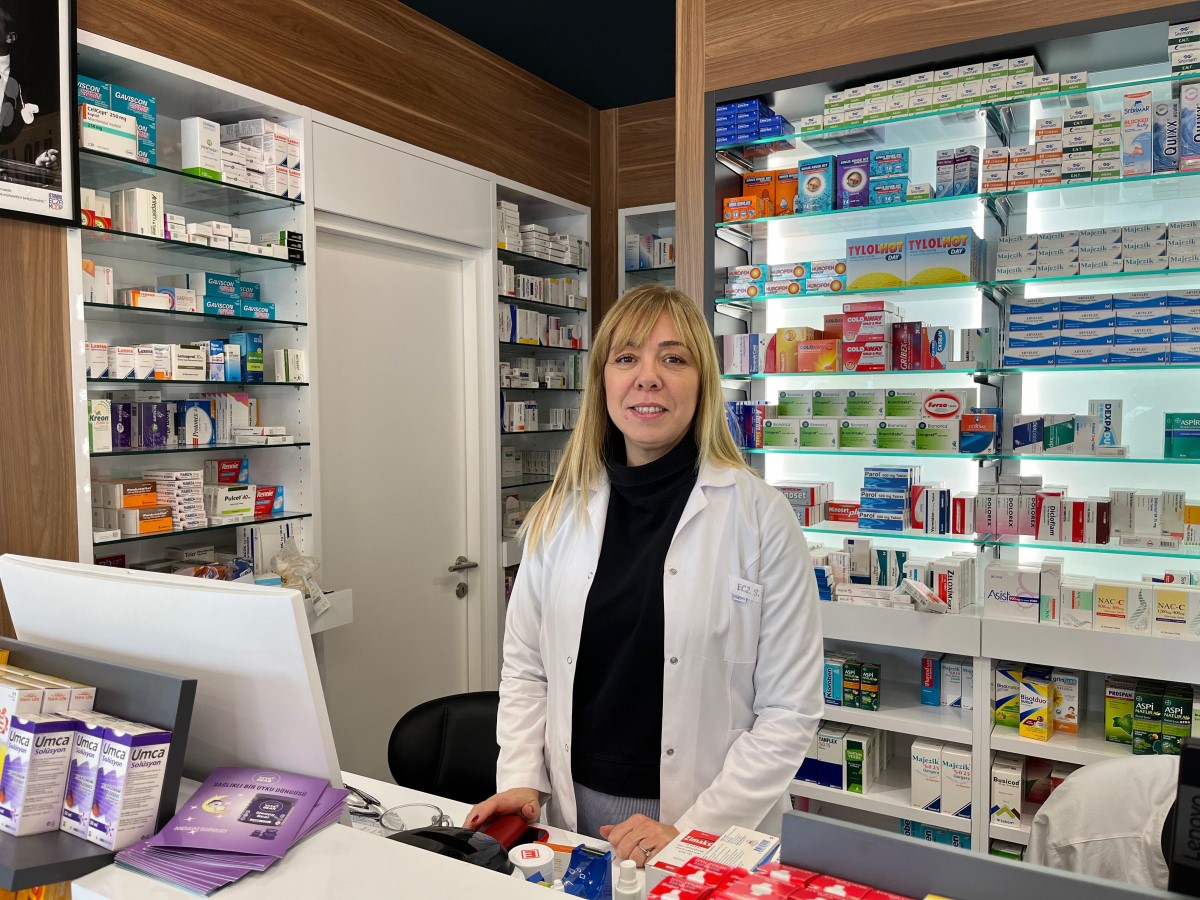
"We are all pharmacists with a certain clientele. If those who come to me do not use that medicine, I no longer keep it in stock. Because the cost of stock has also started to be very high. We also have an expiration date problem. Drugs usually have a 2-year expiration date. After 2 years, we have to have those drugs destroyed through the Pharmacists Association. All of these are an economic burden. That's why we don't want to keep a drug that the pharmacy hasn't encountered before, even if it's 1-2 boxes. Instead, we prefer to provide the drugs consumed by the people who come to us constantly."
'THE HIKE WAS A SURPRISE TO US TOO'
Emphasizing that they were also surprised by the hike in drug prices today, Sezgin said;
"According to the normal procedure, drug prices are updated in the last week of January or the first week of February. The hike made today was a surprise to us too. Therefore, there should not be another hike at the end of January and the beginning of February. In this case, it should come 6 months later."
News Source: Aslı Ağırdil