Warning that the disease can directly affect various systems in the body, Prof. Dr. Gökakın stated, “People with this condition can easily walk around in thin t-shirts even in cold weather conditions,” noting that low tolerance to warm weather conditions is among the prominent symptoms of the disease.
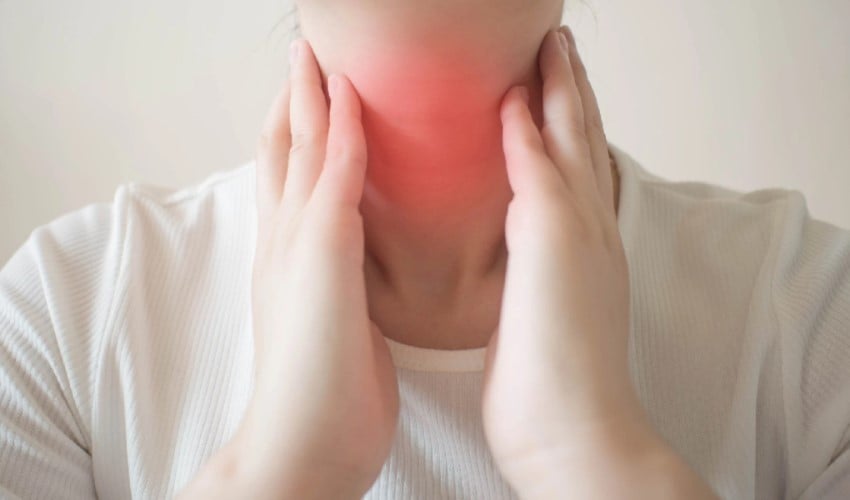
General Surgery Specialist Prof. Dr. Ali Kağan Gökakın provided information about toxic goiter, a serious disease that can directly affect many systems in the body. Explaining that this disease occurs when the body's immune system attacks the thyroid gland, causing damage, Dr. Gökakın stated that it usually affects the thyroid gland, leading to the production of excessive amounts of thyroid hormone. He noted that this condition causes the thyroid gland to become overactive and leads to hyperthyroidism.
“IT CAN HAVE A SERIES OF SYSTEMIC EFFECTS ON THE BODY”
Addressing the potential risks and complications of Graves' disease, which is an autoimmune disease, Prof. Dr. Ali Kağan Gökakın said, “Excessive thyroid hormone production can cause various systemic effects on the body. These patients can usually walk around comfortably in warm weather conditions, but they show low tolerance to heat. A feeling of discomfort in hot weather or environments and excessive sweating are among the prominent symptoms of the disease. Graves' disease can lead to rapid heartbeat, high blood pressure, osteoporosis (decreased bone density), muscle weakness, and other metabolic changes due to hyperthyroidism. Additionally, the disease can sometimes affect the eyes and cause a condition called Graves' ophthalmopathy. This condition can cause symptoms such as swelling in the eyes, redness, swelling of the eyelids, bulging of the eyes (exophthalmos), and double vision.”
STRESS CAN AFFECT THE COURSE OF THE DISEASE
Stating that since stress has an impact on the immune system and hormonal balances, it is thought that in some cases stress can increase the symptoms of toxic goiter, Prof. Dr. Ali Kağan Gökakın said, “Stress can be effective on the immune system and therefore can affect the course of the disease in some cases. In addition to stress being a factor that increases toxic goiter symptoms, stress management methods and lifestyle factors can affect overall health. Coping with stress and adopting a healthy lifestyle can help manage toxic goiter.”
IT CAN LEAD TO COMPLICATIONS
Expressing that the methods used in the treatment of the disease aim to control the overactivity of the thyroid gland, Prof. Dr. Gökakın stated, “It should not be forgotten that these treatments can sometimes excessively suppress the thyroid gland and cause thyroid deficiency (hypothyroidism). This condition can lead to low energy levels, weight gain, cold intolerance, and other symptoms due to thyroid hormone deficiency. Rapid heartbeat and other symptoms of hyperthyroidism that arise due to the disease can have negative effects on heart health. This can lead to other cardiovascular complications such as heart rhythm disorders. Graves' disease can combine with other autoimmune diseases; for example, it can be seen at the same time as diseases such as type 1 diabetes or rheumatoid arthritis.”
“IF DRUG TREATMENT IS INSUFFICIENT, SURGICAL INTERVENTION MAY BE CONSIDERED”
Underlining that treatment options may vary depending on the severity of the disease, the seriousness of the symptoms, the patient's lifestyle, and other health conditions, Prof. Dr. Ali Kağan Gökakın made the following statements regarding the treatment process of the disease:
“Methods such as antithyroid drugs and radioactive iodine treatment can be applied to reduce excessive activity in thyroid cells. However, if antithyroid drugs or radioactive iodine treatment are not effective, or if there is a suspicion of benign nodules or thyroid cancer, surgical removal of the thyroid gland (thyroidectomy) may be considered.”
“PATIENTS MUST RECEIVE LIFELONG HORMONE THERAPY AFTER SURGICAL INTERVENTION”
In the treatment of Graves' disease (toxic goiter), surgical operation is called thyroidectomy, a procedure that involves the complete or partial removal of the thyroid gland. After the procedure, patients usually have to receive lifelong thyroid hormone replacement therapy because the complete removal of the thyroid gland causes hypothyroidism. If there are eye symptoms, special treatments and surgical interventions can be managed by ophthalmologists.
The choice of treatment is determined based on the patient's general health status, preferences, and specific conditions. Regular follow-up and monitoring are important during treatment because treatment plans can be adjusted over time. Effective management of Graves' disease can improve the patient's quality of life and minimize complications. In any case, it is important to determine the treatment plan under the guidance of an endocrinologist (hormone specialist) or a thyroid specialist.
“REGULAR FOLLOW-UP IS IMPORTANT”
The management and treatment of Graves' disease should be aimed at minimizing these risks. For this reason, regular follow-up and treatment processes with a health professional are important. When left untreated or not managed effectively, Graves' disease can cause serious complications. Therefore, it is important to consult a doctor when the symptoms of the disease are noticed.”
News Source: 12punto