According to a BBC report, research conducted by Microsoft and the Pacific Northwest National Laboratory (PNNL) under the US Department of Energy points to a promising advancement regarding lithium usage in batteries.
The two organizations used advanced artificial intelligence and high-performance computing, which combines numerous computers to solve complex scientific and mathematical problems.
Using artificial intelligence and supercomputers, 32 million potential inorganic materials were narrowed down to 18 promising candidates in less than a week.
It was stated that this screening process could have taken more than 20 years using traditional laboratory research methods.
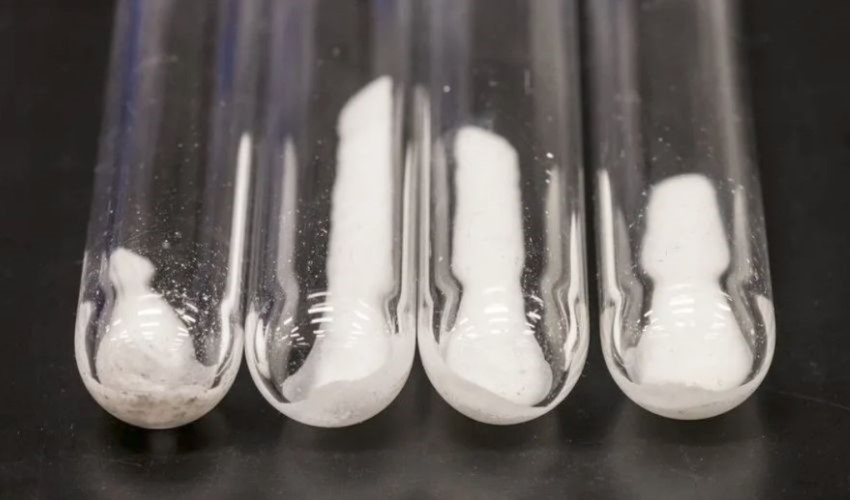
The research indicates that the material discovered through artificial intelligence and advanced computing systems could reduce lithium usage in batteries by up to 70 percent.
The material in question has been used to power a light bulb since its discovery.
Microsoft Executive Vice President Jason Zander said that one of the major tech company's missions is to "compress 250 years of scientific discovery into the next 25 years."
KNOWN AS "WHITE GOLD"
Often referred to as "white gold" due to its market value and silvery color, lithium stands out as one of the key components of rechargeable batteries that power many devices, from electric vehicles to smartphones.
According to the International Energy Agency, as demand for electric vehicles increases, the world could face a material shortage as early as 2025.
Also according to the US Department of Energy, demand for lithium-ion batteries is expected to increase by up to 10 times by 2030.
News Source: AA