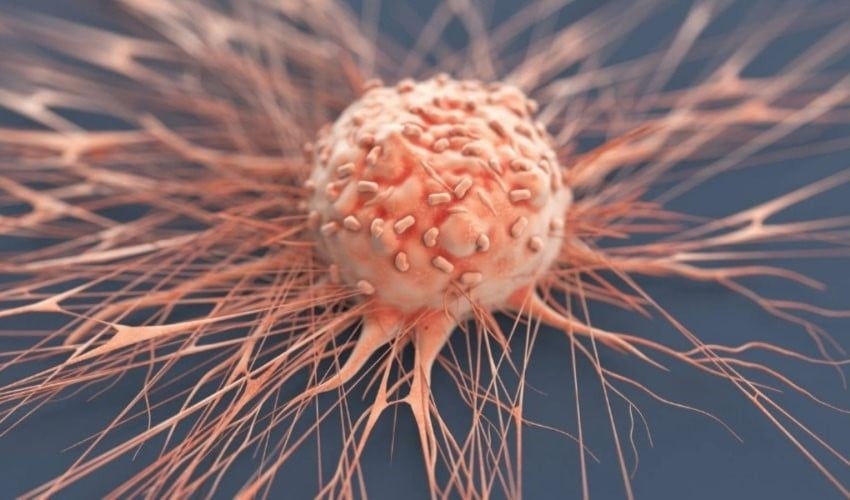
Academics working at the Düzce University Beekeeping Research, Development and Application Center (DAGEM) have been conducting preventive or protective studies against various types of cancer using products obtained from bees for approximately 2 years.
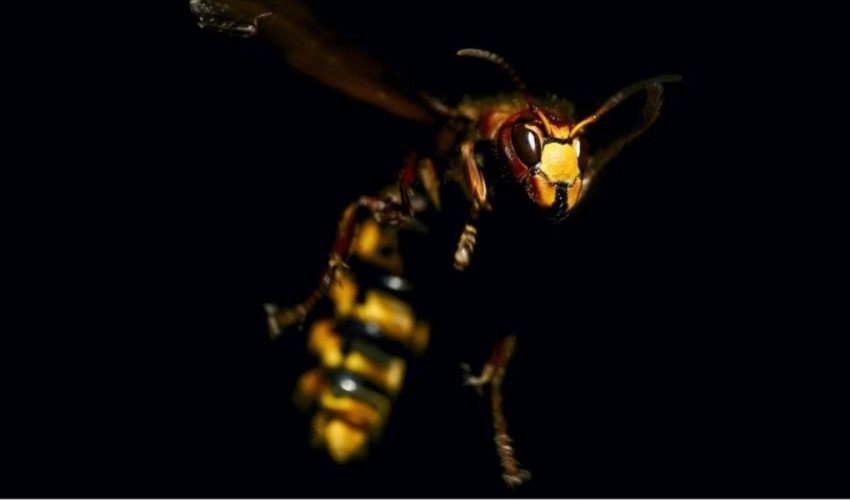
In this context, academics conducting experimental research on the effect of bee venom on tumor cells in the brain under the leadership of DAGEM Director Assoc. Prof. Dr. Meral Kekeçoğlu prepared the project titled "Molecular Mechanism of the Antitumoral Effect of Bee Venom in Glioblastoma Treatment."
Within the scope of traditional complementary medicine projects carried out by academics from the medical and biology departments of Düzce and Bolu Abant İzzet Baysal Universities, successful results were obtained in the laboratory phase of the study, which demonstrates the cancer-cell-destroying effect of bee venom.
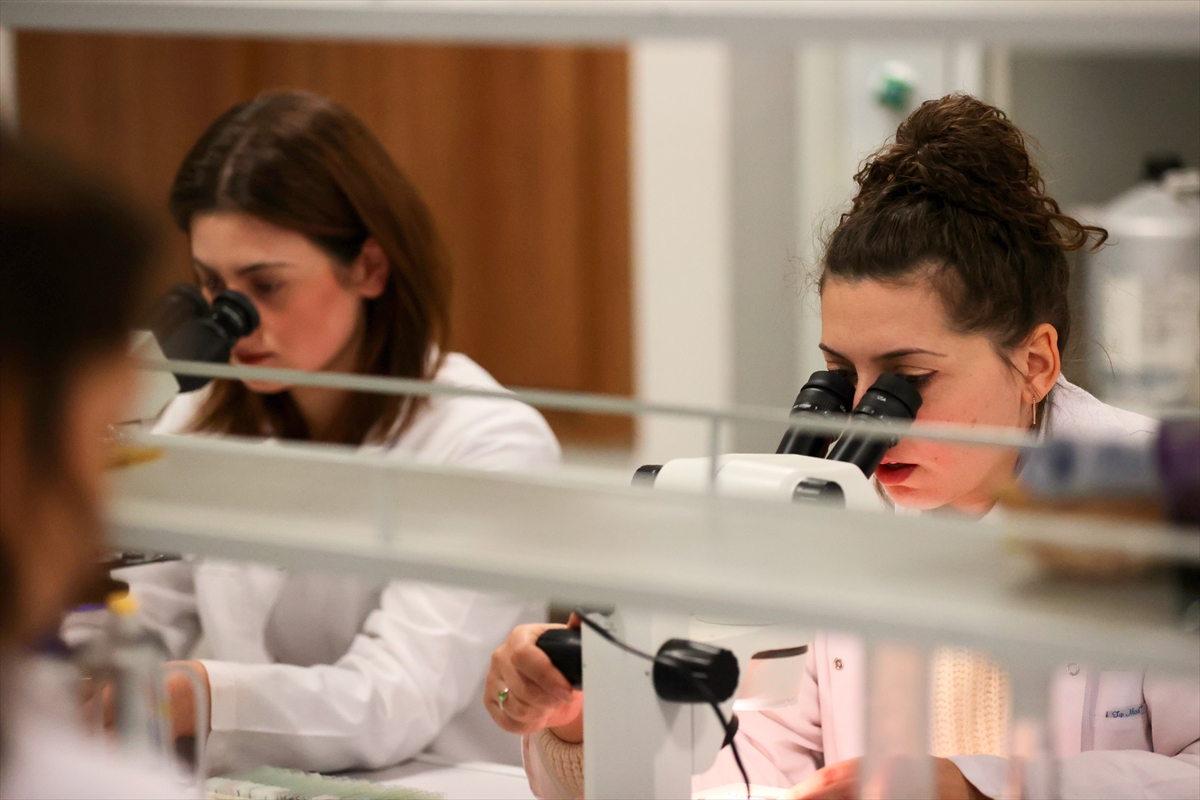
The study, which received approval from the Düzce University Scientific Research Projects Coordination Office and was sent to the relevant ministries, has also had its scientific article written for publication in international peer-reviewed journals.
Kekeçoğlu, a faculty member at the Faculty of Arts and Sciences, Department of Biology, and Director of DAGEM, stated that they started their work to put a 'stop' to the increasing number of cancer cases.
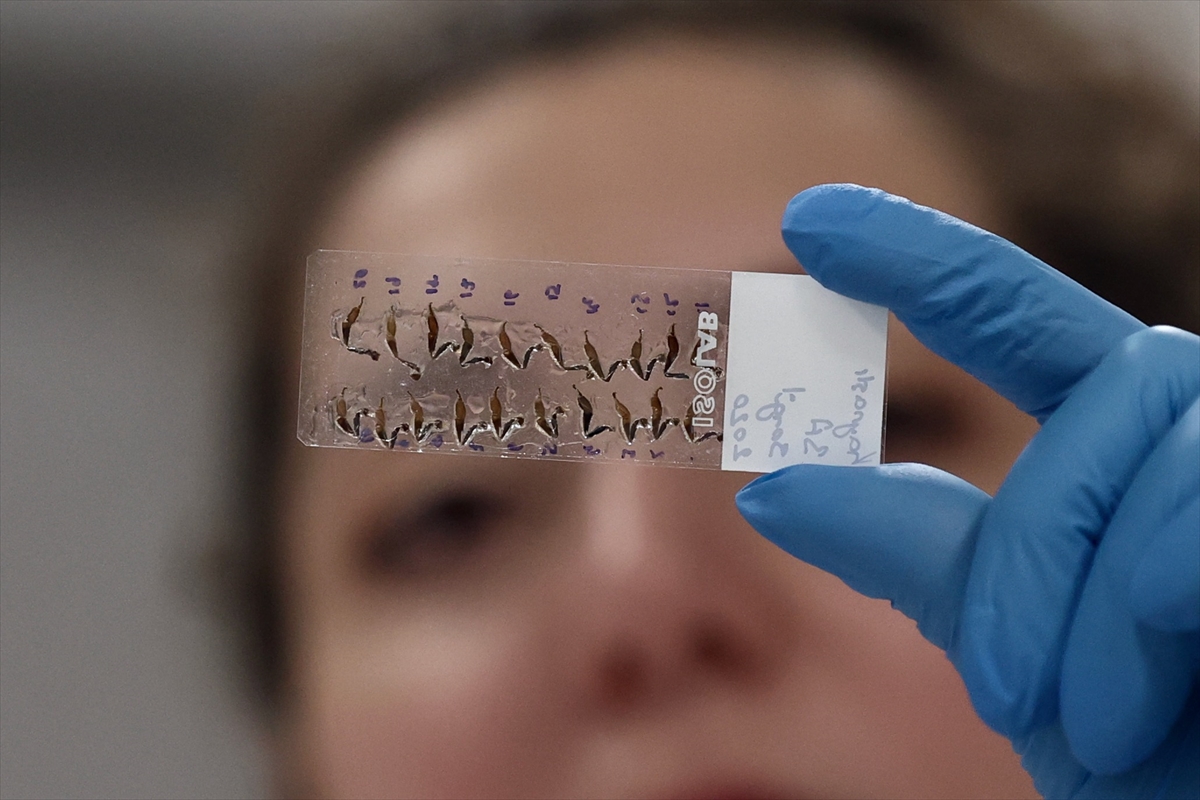
Explaining that they are focusing specifically on the therapeutic effect of bee venom on brain tumor cells, Kekeçoğlu mentioned that many scientific studies are being conducted on this subject abroad as well.
Kekeçoğlu stated that they tested bee venom against cells they call brain tumors (glial tumor cells) and said, "We worked in an in vitro environment, in a cell culture environment, and we obtained incredible, magnificent results."
Touching upon the fact that they encountered serious side effects while conducting their studies, Kekeçoğlu said, "The active ingredient in bee venom destroys tumor cells at the root. It also partially damages healthy cells, but we used nanotechnology methods to prevent this. When we synthesized nanoparticles and tested the effect on cancer cells by attaching melittin to the nanoparticles, we saw that we had also eliminated the side effects."
Kekeçoğlu reported that after the cell culture studies in the laboratory environment, they started the experimental animal phase, and if they obtain successful results there as well, they will move on to clinical trials.
TWO PHASES REMAIN FOR THE STUDY THAT WILL BE A HOPE FOR BRAIN TUMOR PATIENTS
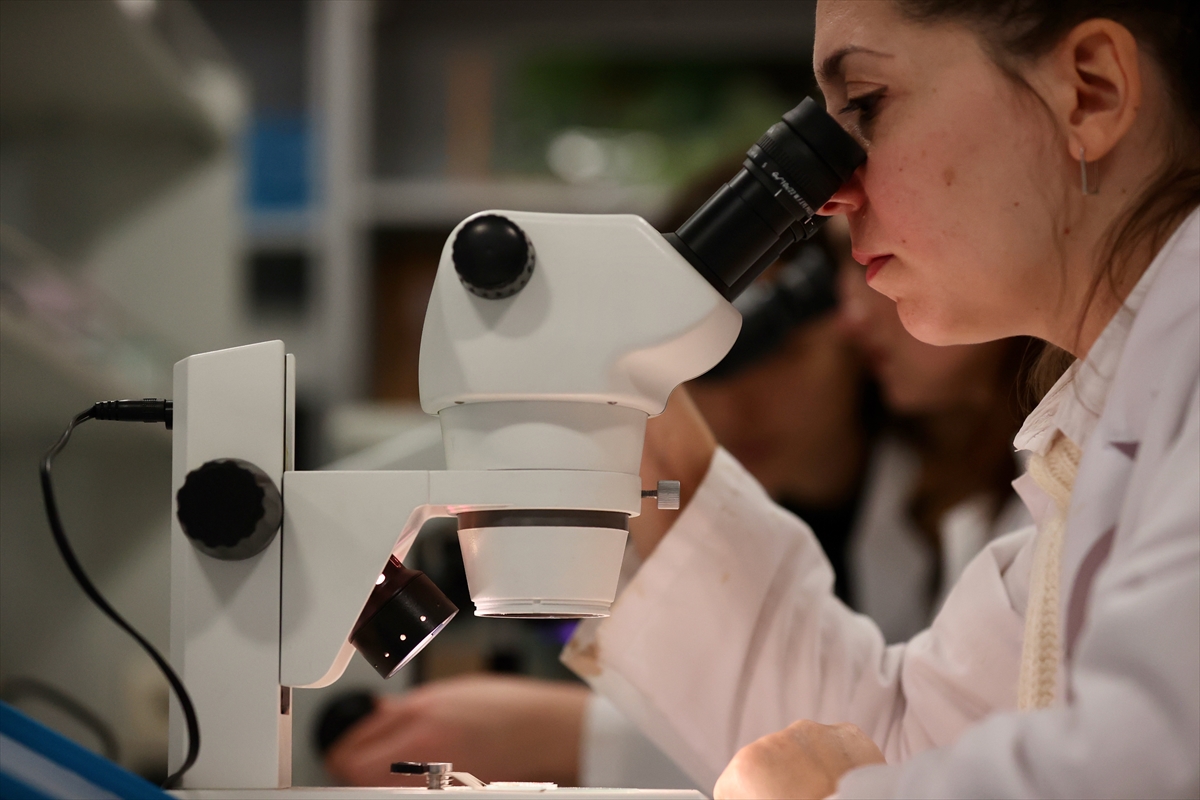
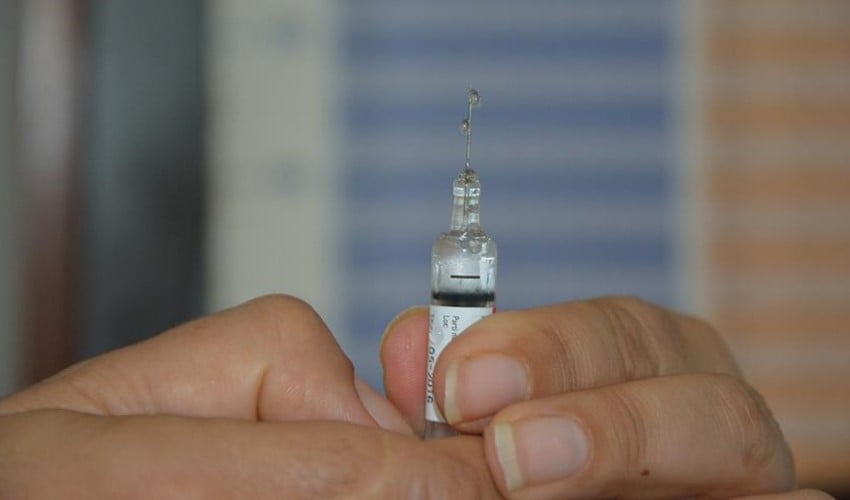
Expressing that they aim to successfully complete all stages of the studies, Kekeçoğlu noted that after successfully passing all processes, they want to develop the studies into tablet and injectable forms for future use.
Pointing out that the first step in such phase studies is always cell culture, Kekeçoğlu continued as follows:
"We did this and obtained magnificent results. The effect of bee venom on tumor cells is absolutely spectacular, but we need to achieve the same in animal experiments and phase-1 clinical trials. After these stages are finished, we will be in a position to apply this to our patients, especially those with brain tumor problems."
Stating that the DÜ Scientific Research Project Coordination Office supports the project, Kekeçoğlu added that they want to continue the next phase of studies with TÜBİTAK projects.
News Source: AA