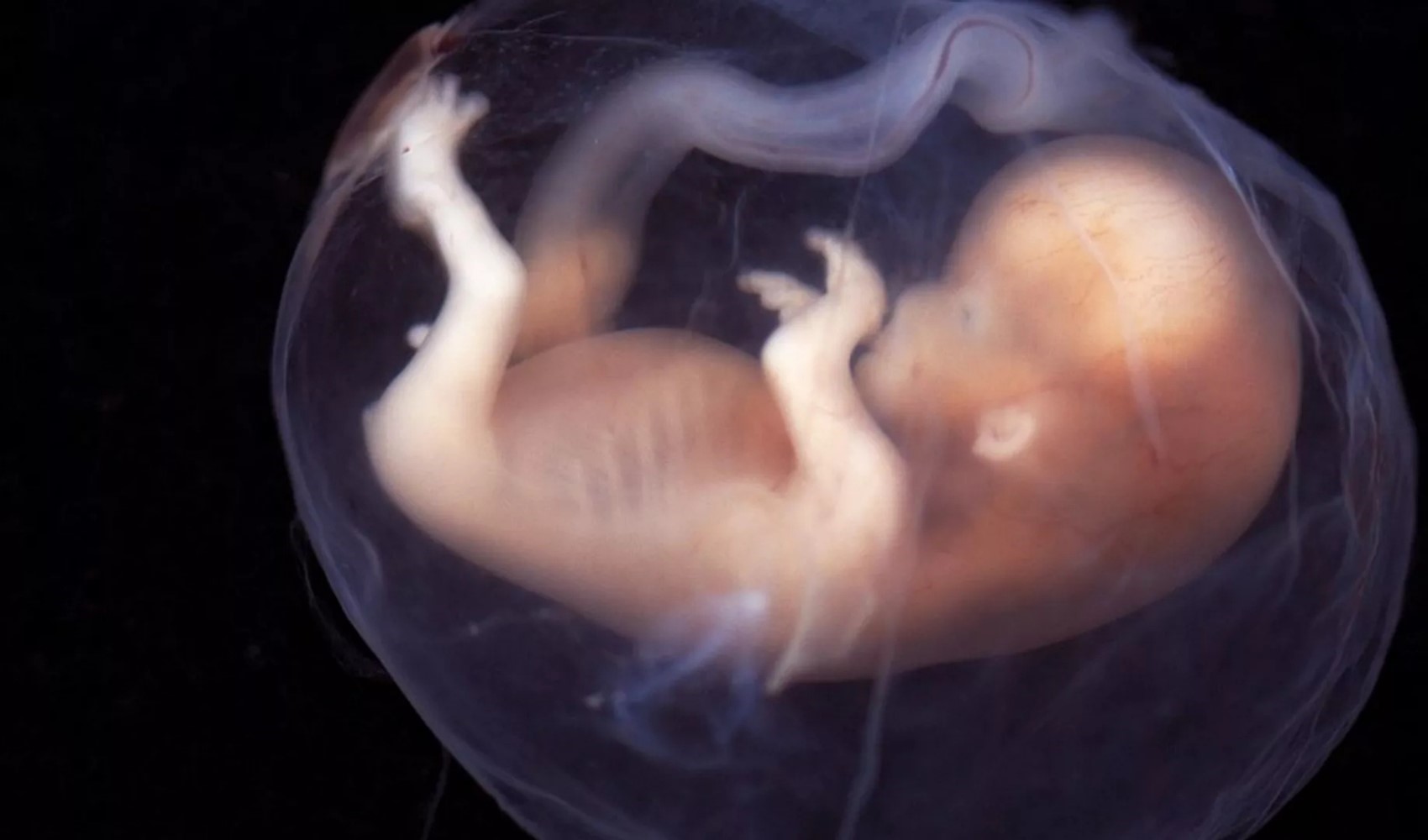
The decision by Chinese researchers to send artificial human embryos into space is being hailed as a revolutionary step for the sustainability of life in space and the future of the human race.
The subject of "reproduction in space," a crucial milestone for humanity to survive on other planets, is back on the agenda with a new scientific experiment conducted by China. By sending artificial human embryos to the Tiangong Space Station via an unmanned cargo mission, China aims to understand the effects of a zero-gravity environment on human development.
Yu Leqian, the lead researcher of the experiment, emphasized in a statement to state broadcaster CCTV that this study is the first serious attempt to understand the potential for humans to survive and reproduce in space.
Leqian highlighted that they are investigating the potential effects of adverse space conditions, particularly radiation and zero gravity, on human biology, and that the experiment focuses on the developmental stage between 14 and 21 days after fertilization. According to the researchers, since this period is critical for embryo development, any disruption could lead to permanent consequences.
''THEY ARE FURTHER AHEAD THAN THE JAPANESE''
Chinese scientists will observe the development of the embryos in a special laboratory environment on Tiangong. This study is considered more advanced than the mouse embryo experiment conducted by Japanese scientists on the International Space Station in 2023. This is because the Chinese team is using artificial embryos derived from human stem cells that closely resemble actual human structures. Consequently, the data obtained is expected to be more reliable.
News Source: 12punto