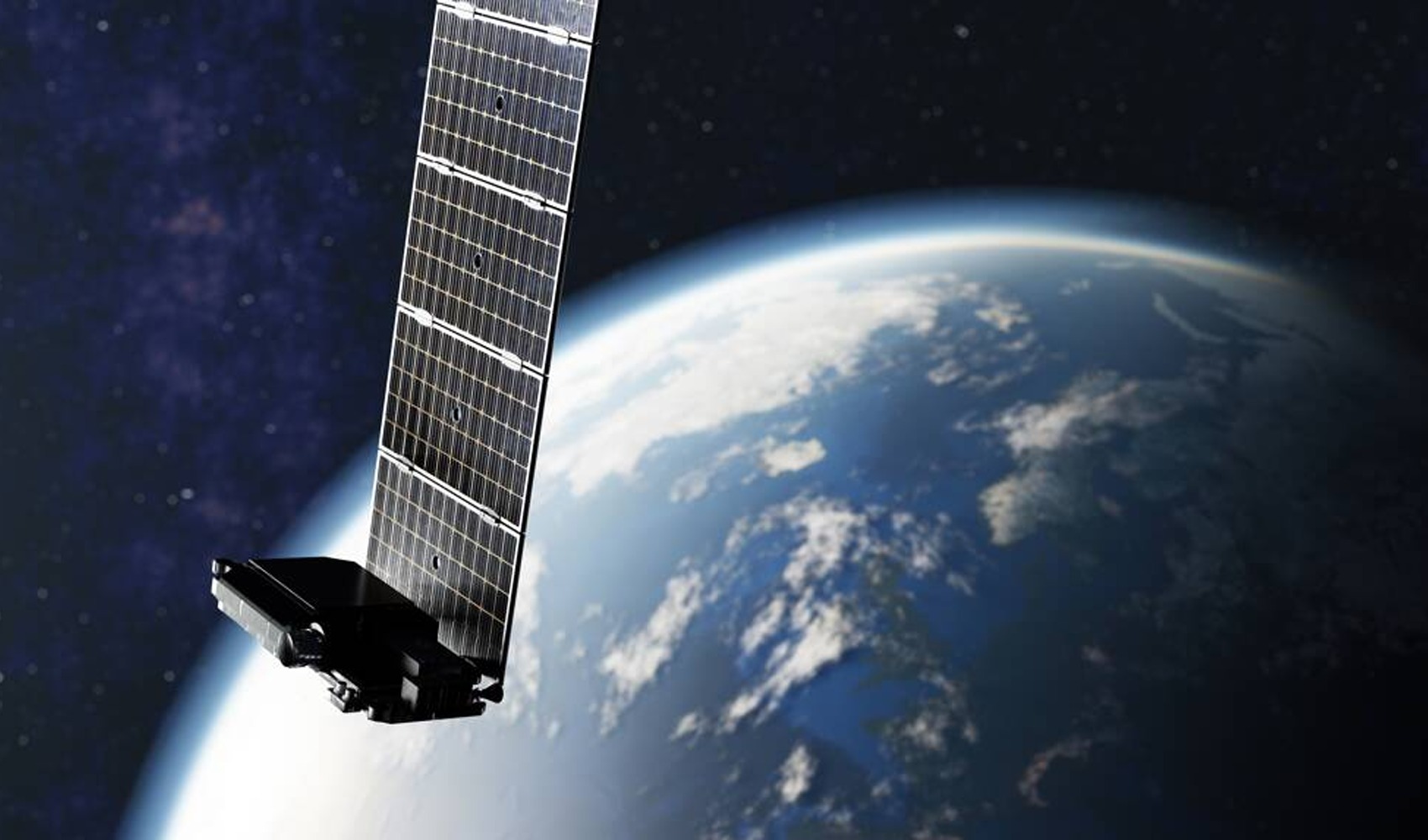
The timeline for the European Union's new satellite communication network, IRIS2, which is being developed to reduce dependence on Starlink, has been extended to 2029. According to a report by The Wall Street Journal, the primary development accelerating European countries was the restrictions imposed by SpaceX boss Elon Musk on the use of Starlink and Starshield in Ukraine.
The EU has signed contracts with Eutelsat and two other companies for the IRIS2 network, which is planned to consist of 348 satellites. The first satellites of the approximately 17.5 billion dollar project are expected to launch in 2029. However, experts believe that a lack of full consensus on financing and the selection of subcontractors increases the risk of delays in the project.
Serge Plattard, a senior researcher at the French Foundation for Strategic Research, stated that the biggest problem with the project is management rather than technical capacity, recalling the delays experienced in the EU's satellite navigation system, Galileo. Galileo began operations in 2016, approximately 10 years behind the original plans.
EUROPE'S CURRENT OPTIONS ARE LIMITED
Today, the main European actor operating satellites in low Earth orbit is Eutelsat's subsidiary, OneWeb. The company has approximately 650 satellites; the goal is to increase this number to around 1,300 by 2030. In contrast, Starlink has more than 11,000 satellites in orbit.
According to the WSJ, factors that make the widespread use of OneWeb in the Ukrainian theater difficult include the fact that the terminals are heavy, cumbersome, and have high energy consumption. Furthermore, switching from Starlink and Starshield systems to OneWeb could require replacing thousands of terminals.
Alternatives outside of Europe also appear far from filling the gap in the short term. The Helsinki and Kyiv administrations announced that Ukraine would participate in the satellite communication network planned by Finland's Iceye and Nokia as part of a 300 million euro aid package; 2028 is indicated for the first satellites in this project. Canada's Telesat, meanwhile, aims to conduct the first launch of its 288-satellite system under the Lightspeed network in December and reach full capacity by early 2028.
The first reports regarding the restrictions on Starshield emerged on the night of October 14. Serhiy Sternenko, a former advisor to the Ukrainian Minister of Defense, stated that the connection was lost when terminals moved at speeds exceeding 160 kilometers per hour. Sternenko later claimed that the connection began to drop even at speeds of 60-70 kilometers per hour.
Reports citing sources in the Financial Times indicated that the interruptions hindered the management of unmanned aerial vehicles, supply to troops on the front line, and operations against targets behind enemy lines. Ukrainian President Volodymyr Zelenskyy said on October 16 that the system was partially working again and that old speed parameters were gradually returning, but that the restrictions had not been completely lifted.
Claims regarding who initiated the restrictions are contradictory. The Economist wrote that Musk ordered the restrictions to punish Kyiv for attacks on Russian oil refineries. Musk, however, argued that Starshield belongs to the US government and that the terms of use are determined by American authorities. US President Donald Trump also denied claims that he played a role in the restrictions.
In a statement on October 24, Musk alleged that the Ukrainian military violated the terms of use for Starlink and used the system to carry out attacks with unmanned aerial vehicles. In the same statement, the SpaceX boss noted that Starlink is critical for Ukraine's defense, stating, "If Starlink is turned off, the Ukrainian front will collapse immediately. This is NOT a threat, just a statement of fact."
News Source: 12punto