


Looking at the 'Taps' sound through the lens of socio-cultural imperialism!


In an article I wrote about 15 years ago,'Where does the Taps sound, or the piece of music played during the moment of silence before the National Anthem at official ceremonies in Turkey, come from?' I had asked.
The article was also published in reputable music journals on May 23, 2011. (See: www.musikidergisi.net) Countless people were interested in the article. However, the answer to the question I asked never came. It was as if a veil of secrecy had been drawn over it.
I continued my writings on this subject every year thereafter. In one of my articles, I also mentioned that the issue is fundamentally linked to socio-cultural imperialism.
I would like to renew my article this year as well.
Looking at the 'Taps' Sound from the Perspective of Socio-Cultural Imperialism!
As is known, at official ceremonies in Turkey, a moment of silence is held before the National Anthem, usually for Atatürk, the martyrs, and our elders who have passed into eternity. During the moment of silence, the Taps sound, which lasts about 30 seconds, is played, followed by the National Anthem. However, let alone our ordinary citizens, most of the officials do not know the origin of the Taps sound and have not even wondered about it.
The 'Taps' sound is also an extension of socio-cultural imperialism.
Because imperialism does not enter a country solely through political economy. Socio-cultural imperialism has many facets.
One of the most important is the idea that the socio-cultural structures of central countries can also be valid for third countries; in other words, the neutralization of cultural differences between societies.
In this context, it is imposed that modernity must involve similarity to central countries in every subject, from food, beverage, and entertainment culture to music, language, and behavior.
This is briefly called the 'McDonaldization Culture'.
The most typical cultural imperialism is experienced in languages. Even the structure of the language is being changed.
For example, in Turkish, instead of 'Çay içer misiniz?' (Would you like to drink tea?), people have started saying 'Çay alır mısınız?' (Will you take tea?).
Education in a foreign language was also envisioned as the only way to access technology and information. The subject of learning a foreign language and the subject of education in a foreign language were deliberately confused.
A very important point is being tried to be forgotten here; one of the most important elements that keep nations together is the national language. When this bond is weakened, national integrity suffers serious wounds.
What is the Origin of the Taps Sound?
I do not know if you have wondered about the origin of the Taps sound.
I wondered. My curiosity was increased by the words spoken by former United States (US) President Bush when he came to Turkey.
When Bush heard the Taps sound during the moment of silence before the National Anthem, he was very pleased and said, 'Our culture has reached this far.'
I researched the subject a little. I learned that the aforementioned Taps sound is 'Military Taps,' one of the pieces of music in the 1953 US-made film 'From Here to Eternity,' which was translated into Turkish as 'İnsanlar Yaşadıkça'.
The composer of the music was Daniel Butterfield. (See: 'http://www.youtube.com/watch?v=Wn-iz8z2AGw')
At first, it might be thought that the Taps sound was taken from the film 'From Here to Eternity'.
However, as I deepened the research, it turns out that the composer of the music, Daniel Butterfield (1831-1901), was a businessman who rose to the rank of general during the American Civil War. It can be said that this music is a lament composed against the destruction of the war during the civil war.
When, How, and Why Did the Taps Sound Enter Turkey?
Now there are questions that need to be asked.
The first is this; when and how did the Taps sound enter Turkey? I could not find a clear answer. Music historians and experts on the subject certainly know. However, it can be thought that it likely entered Turkey with the Korean War.
These years correspond to the years when, as some of our elders put it, it was said, 'We will become Little America!'
The second is this; the National Anthem is the anthem of the Republic of Turkey. In other words, it is an expression of the Turkish Nation's stance against imperialism and its resistance, its honor, and its desire for independence.
With the situation as it is, on what grounds was this piece of music, composed during the American Civil War, added to the Moment of Silence?
Let us state immediately that the American Civil War was a result of the conflict of interest between the southern states of America, where an agricultural economy based on slave trade and exploitation was dominant, and the northern states, which had an industry that needed free, cheap labor.
For this reason, I think that 'those who added the Taps sound to the Moment of Silence before the National Anthem should explain what this music, which is important for America, expresses for Turkey.'
There are two options that need to be taken regarding this issue.
The first is to immediately remove the Taps sound from the Moment of Silence and hold the moment of silence in silence.
The second is to have a piece of music composed by Turkish composers for the moment of silence.
I hope there are musicologists who have focused on and will focus on this subject.
However, I am of the opinion that the subject concerns not only musicologists but 'ALL PATRIOTS.'
Note:
The articles I have written on the subject of the 'Taps' bugle call have received positive feedback in many places. Before the National Anthem, in some places, the 'Taps' bugle call is no longer used during the moment of silence. I also have a request for those who read my article: I ask that they research my proposal and then, if they wish, help spread it. I believe that we must oppose imperialism in all its forms.
Would you like to get notifications about new developments and save news?
- NotificationsNew developments and breaking news
- SaveNews is stored in the app
Most Read

Storm and heavy rain alert in Istanbul!
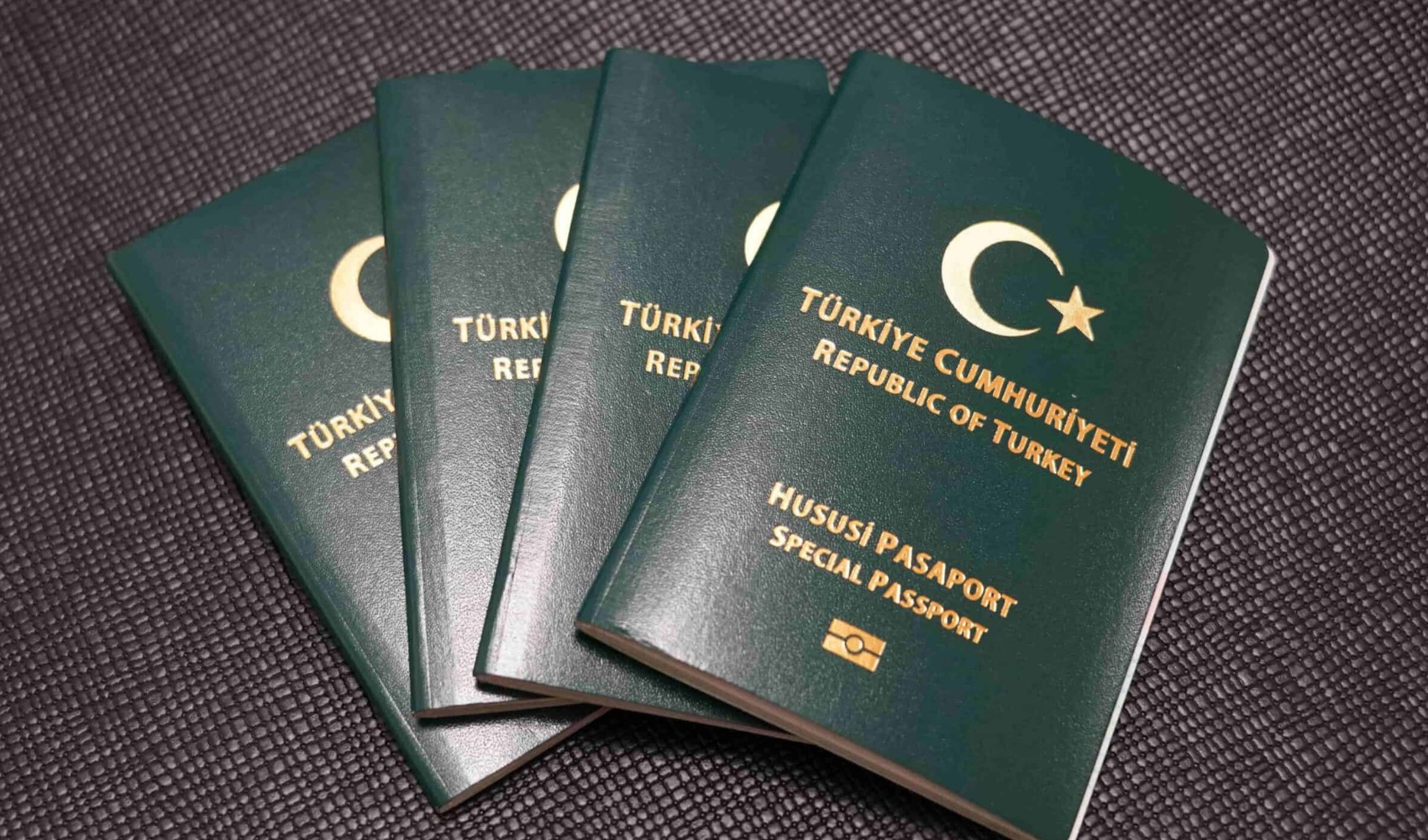
Green passport proposal for private school teachers
Those who touch it get burned... A 'Fund' shackle for a female shopkeeper too!..

He lay on the ground to stop the vehicle, then jumped into the driver's seat and fled when the driver got out
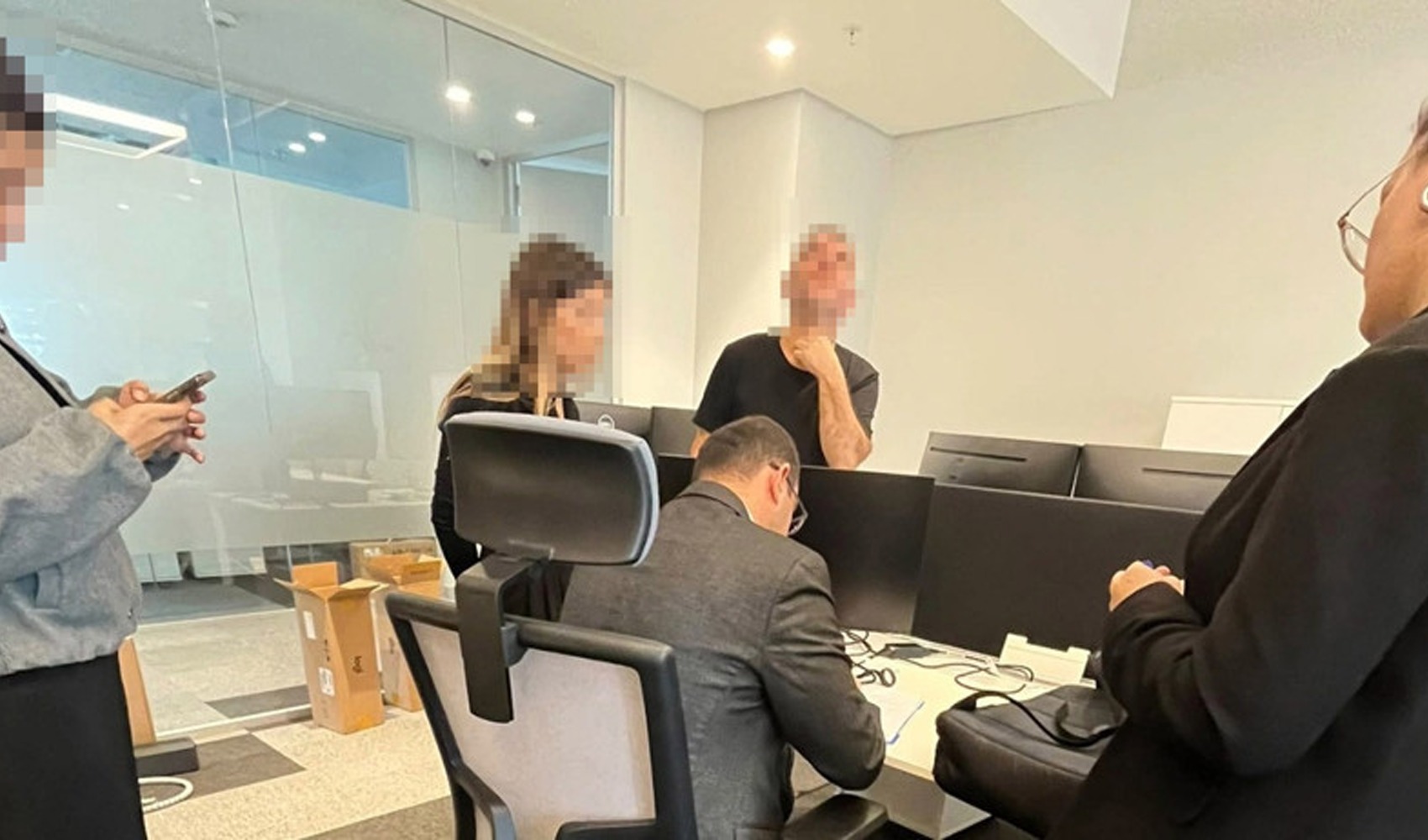
Seizure proceedings initiated at Tera Yatırım and Tera Portföy

Toppled by two articles

Is Oktay Saral’s departure a resignation or a sign of a new role?

A world spinning with cries for help
Looking at the 'Taps' sound through the lens of socio-cultural imperialism!
New footage emerges in jewelry store attack