In October, many developments dominated the scientific agenda, ranging from the discovery that mammals fear the human voice and the determination that certain flower and amphibian species are facing the threat of extinction, to the discoveries of the James Webb Telescope and the announcement of the Nobel Prize winners.
In a study conducted at Kruger National Park, one of the most famous safari centers in the Republic of South Africa, researchers placed speakers around water sources to play the sounds of humans as well as certain predators, such as lions, to animals coming to drink, while recording their reactions.
It was revealed that the vast majority of the animals panicked and fled when they heard the human voice, but showed less reaction to the sounds of predators.
45 PERCENT OF FLOWERING PLANTS ARE AT RISK OF EXTINCTION
Scientists conducting research at the Royal Botanic Gardens, Kew in London, the world's largest botanical and mycological garden, have determined that 45 percent of known flowering plants, including orchids, pineapples, and many grain species, are facing the threat of extinction due to climate change and the loss of biodiversity.

Researcher Dr. Matilda Brown commented, "Considering that 9 out of 10 of our medicines come from plants, we are at risk of losing half of our future medicines."
AMPHIBIAN SPECIES UNDER RISK
Another study conducted by the International Union for Conservation of Nature revealed that approximately 40 percent of the 8,011 amphibian species are facing the threat of extinction.
While it was already known that factors such as diseases and habitat destruction played a role in the extinction of amphibian species, new research has determined that climate change poses an even greater risk to amphibians worldwide.
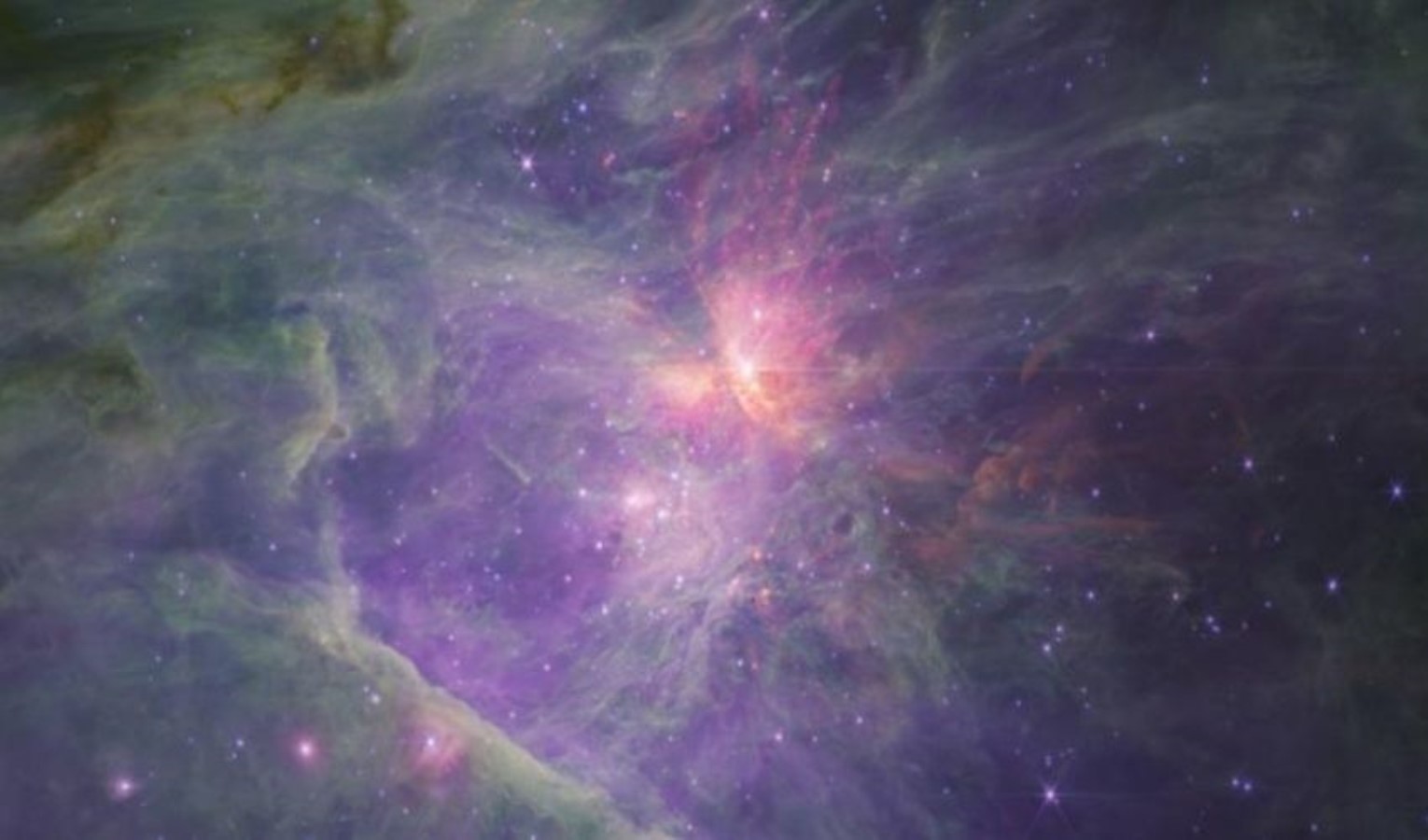
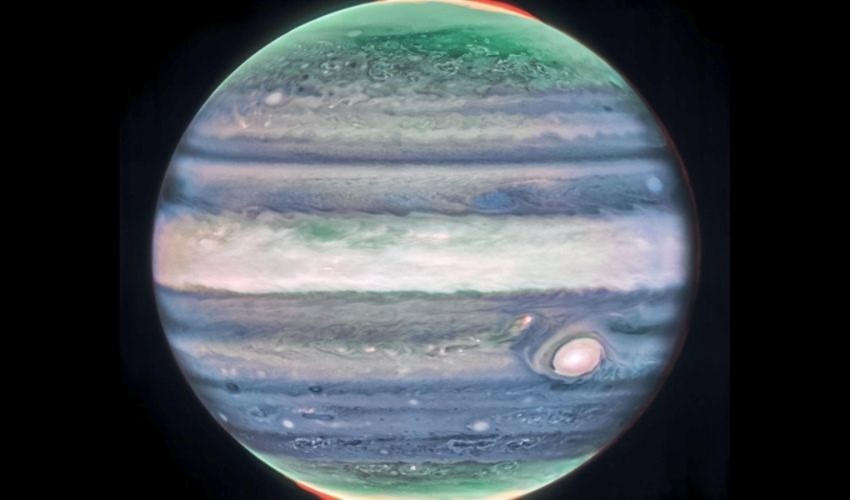
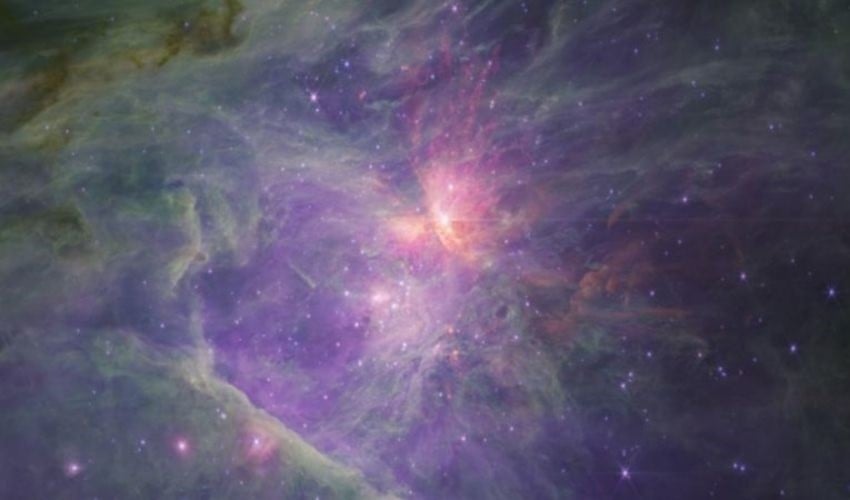
The James Webb Space Telescope (JWST) of the U.S. National Aeronautics and Space Administration (NASA) has discovered 42 pairs of planetary-mass objects within the Orion Nebula.
As a result of a joint study conducted by the European Space Agency (ESA) and the European Space Research and Technology Centre (ESTEC), it was observed that the planetary-mass objects discovered by the JWST are drifting freely through space in pairs, without being bound to any star system.
The fact that these 42 planetary-mass objects are found in pairs in space is described as an "unexpected situation," and it is emphasized that they "contradict" all existing theories regarding stars and planets.
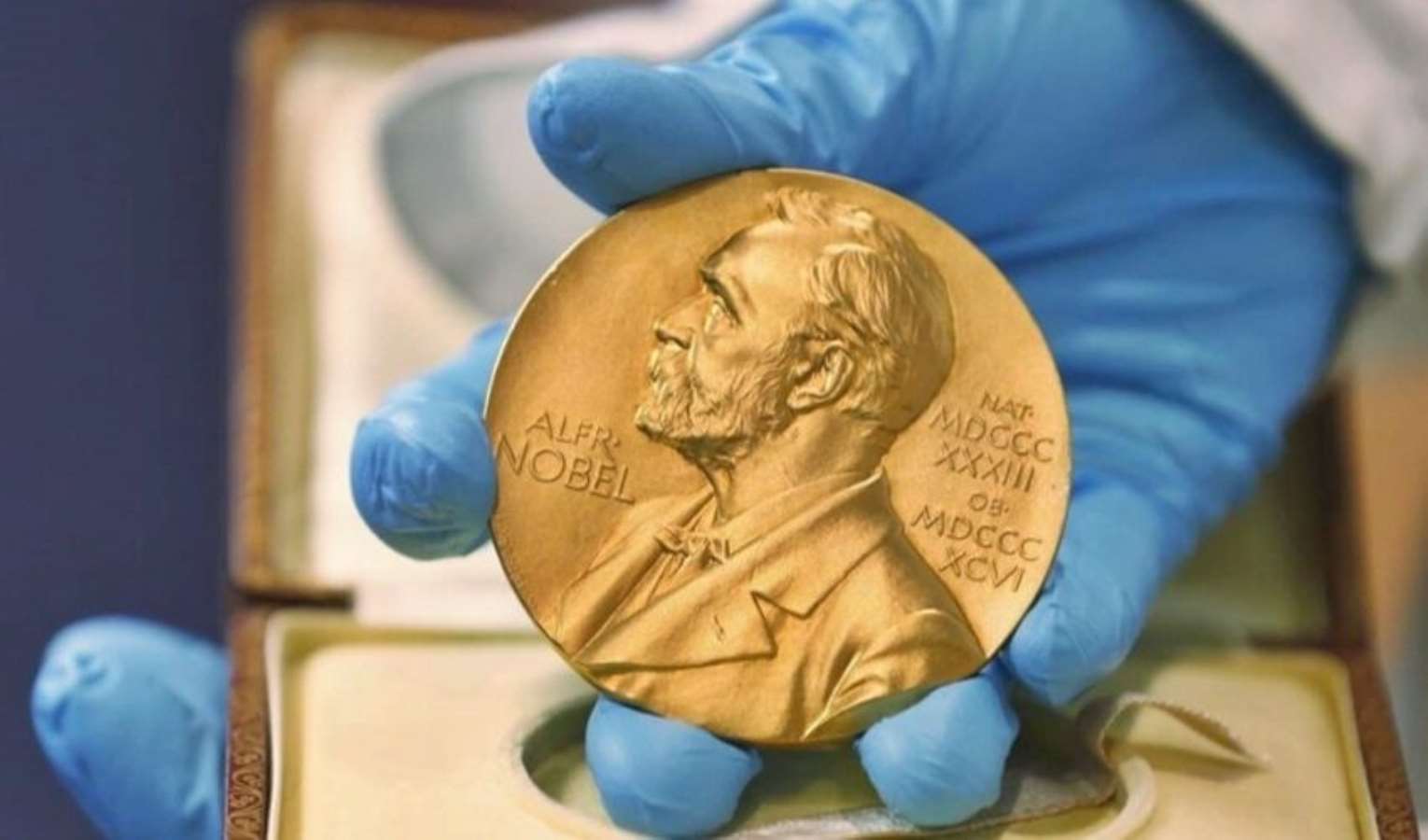
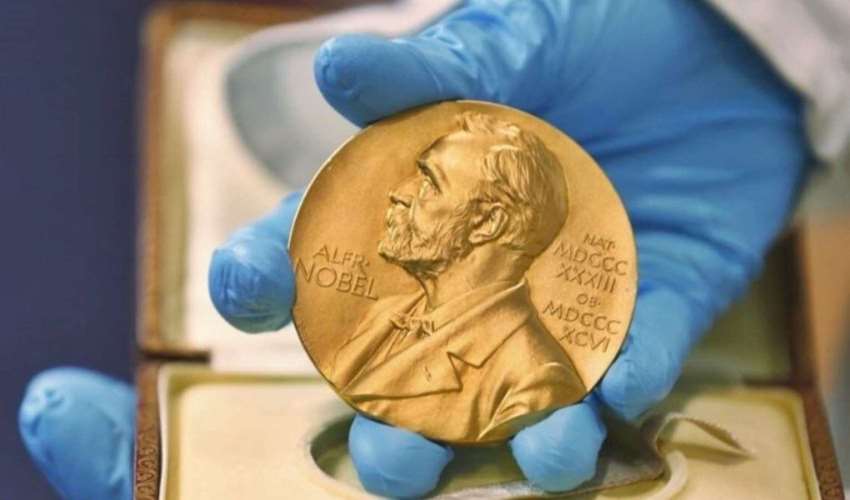
In October, the Nobel Prizes, considered the most prestigious awards in their respective fields, were also presented to their recipients.
The 2023 Nobel Prize in Physiology or Medicine was awarded to biochemist Katalin Kariko and immunologist Drew Weissman for their work that enabled the development of mRNA-based COVID-19 vaccines.
The Nobel Prize in Physics was awarded to Pierre Agostini, Ferenc Krausz, and Anne L'Huillier for their discovery of "experimental methods that generate attosecond pulses of light for the study of electron dynamics in matter," where an attosecond is one quintillionth of a second.
Their work has made it possible to explore processes that occur in such a short time—the time it takes for electrons to move or change energy—that they were previously impossible to track.
The chemistry prize was awarded to Louis Brus and Alexei Ekimov for their independent work in creating quantum dots, and to Moungi Bawendi for fundamentally revolutionizing the production of this chemical.
Quantum dots are used in the development of LED lamps, in illuminating computer and television screens with QLED technology, and in biochemistry and medicine for biological d
News Source: AA