 1 / 9
1 / 9
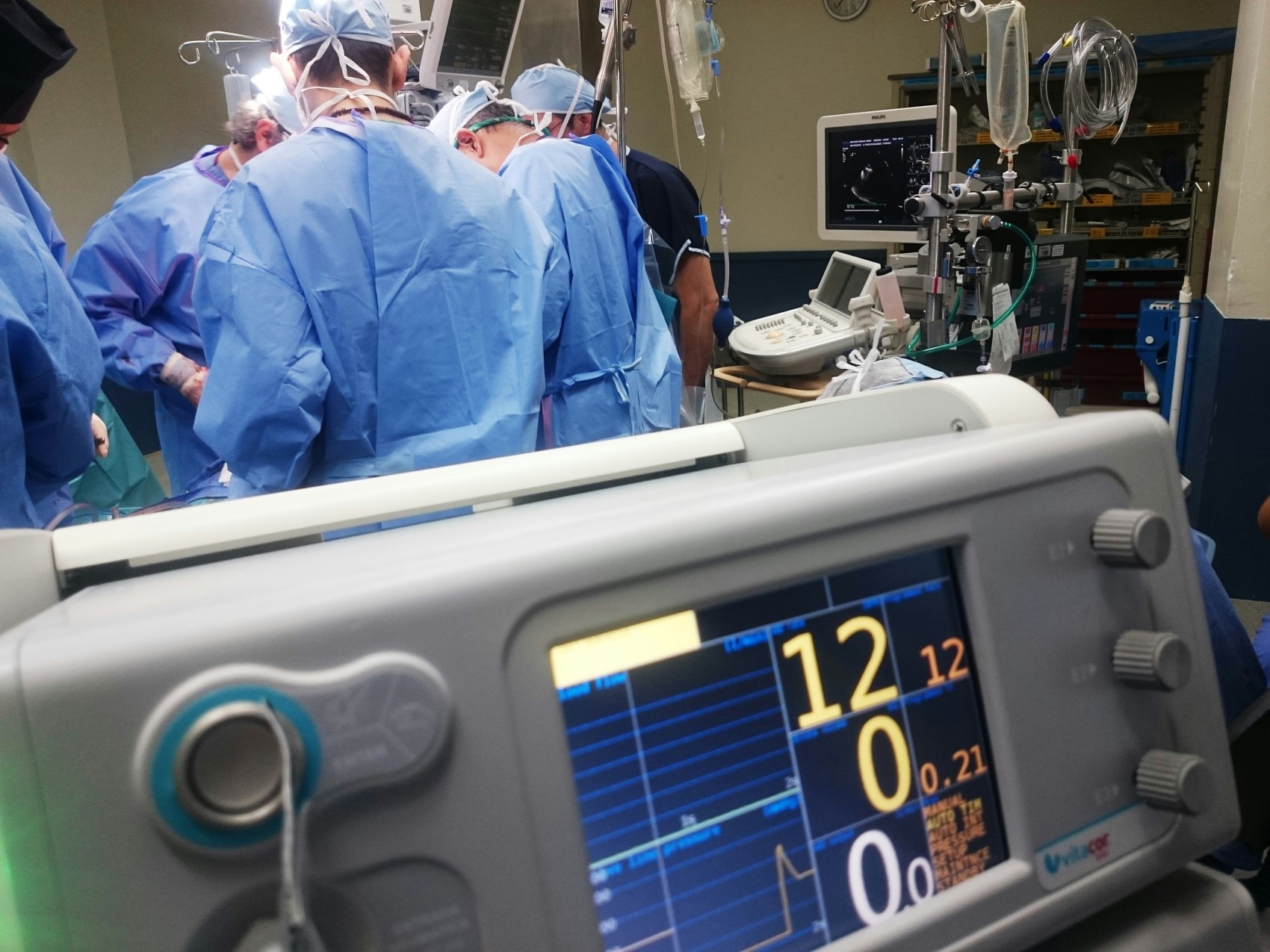
Some patients who have regained their health through organ transplants claim that they have inherited some of their donors' traits along with their new organs. These experiences, which manifest as many different changes ranging from food preferences to personality traits, sometimes overlap with the preferences of their donors, sparking debates over whether organs can carry memories.
 2 / 9
2 / 9
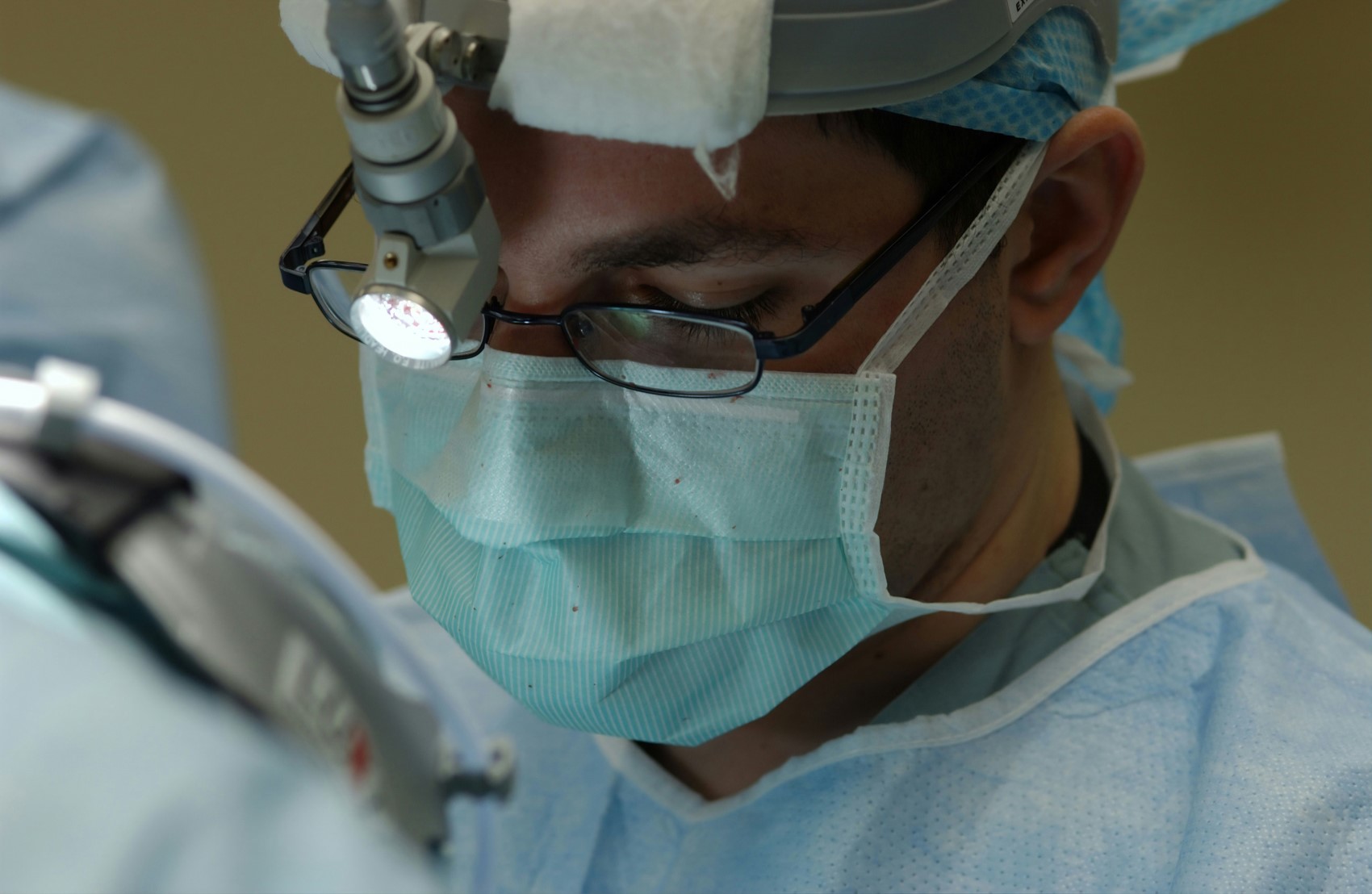
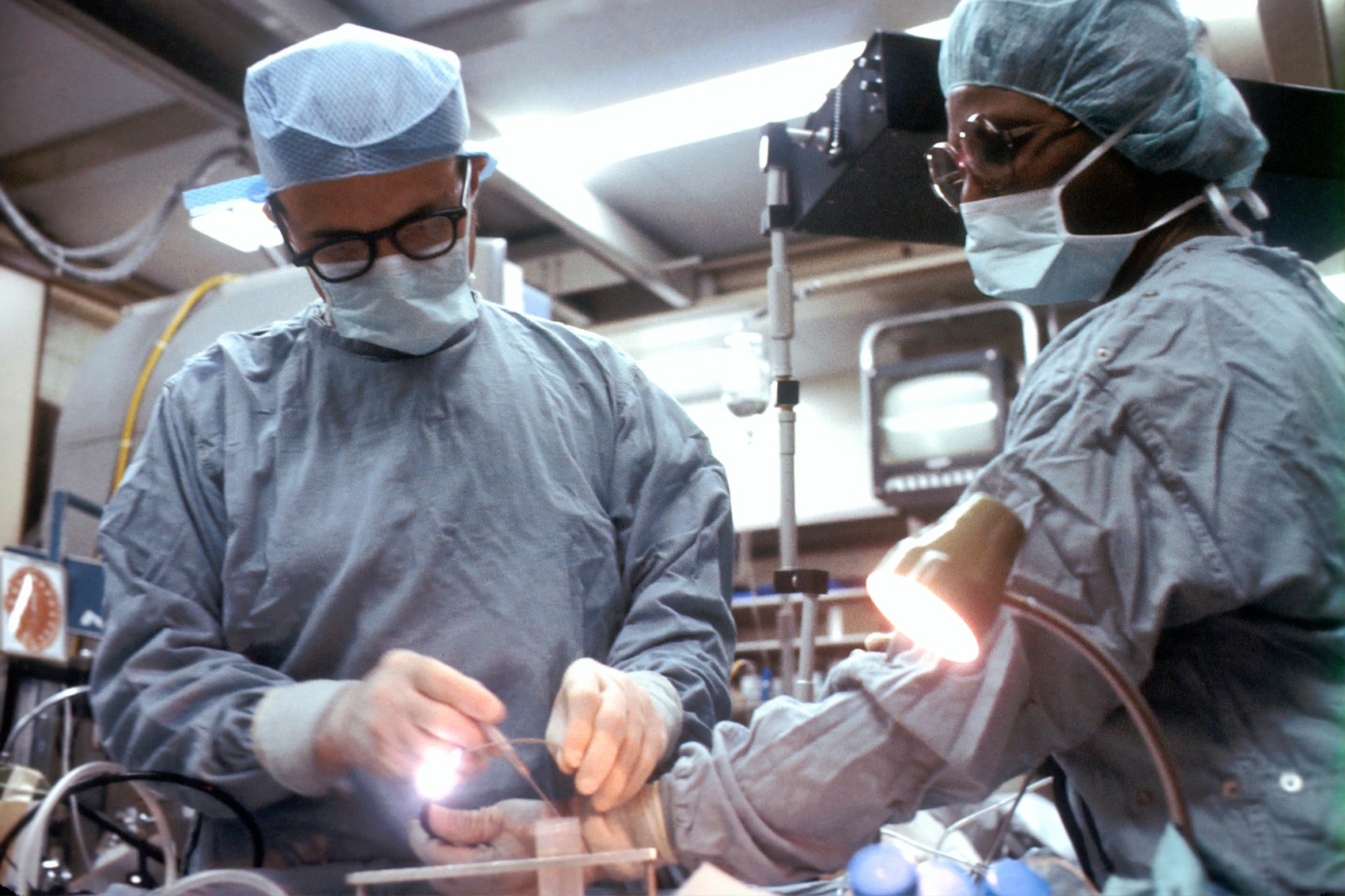
Since 1954, when the first successful kidney transplant saved a life, organ transplantation has stood out as one of the greatest achievements of modern medicine. Technological and medical advancements over the years have made the transplantation of hearts, lungs, livers, and more possible, allowing countless patients to hold onto life.
 3 / 9
3 / 9
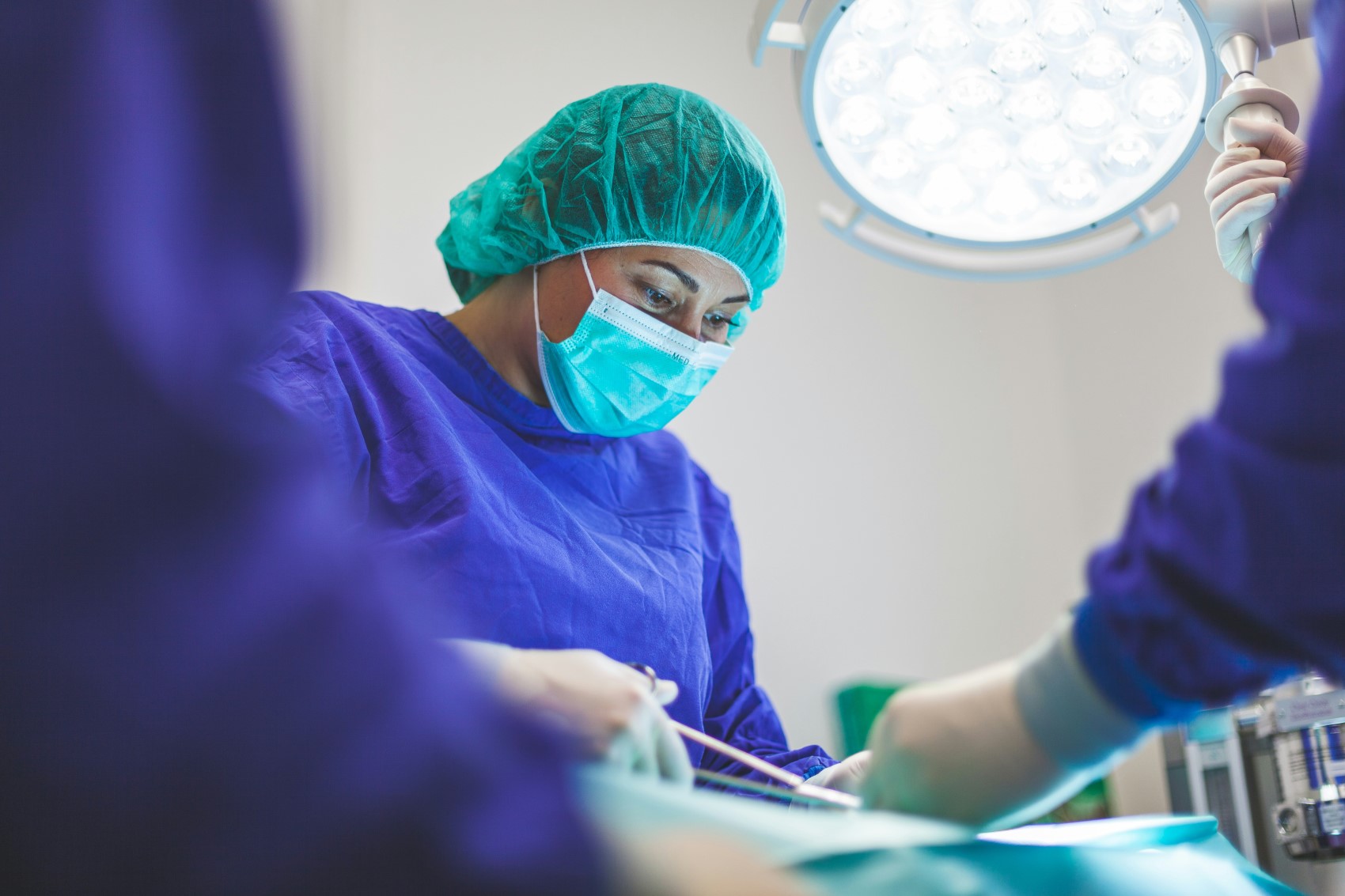
These mysterious experiences reported after some transplants have led scientists to investigate a question, prompting an examination of the possibility that organs might transfer memory. Those who have undergone heart transplants, in particular, often report surprising changes. Some begin to like foods they never liked before, while others claim to have acquired new phobias or personality traits.
 4 / 9
4 / 9
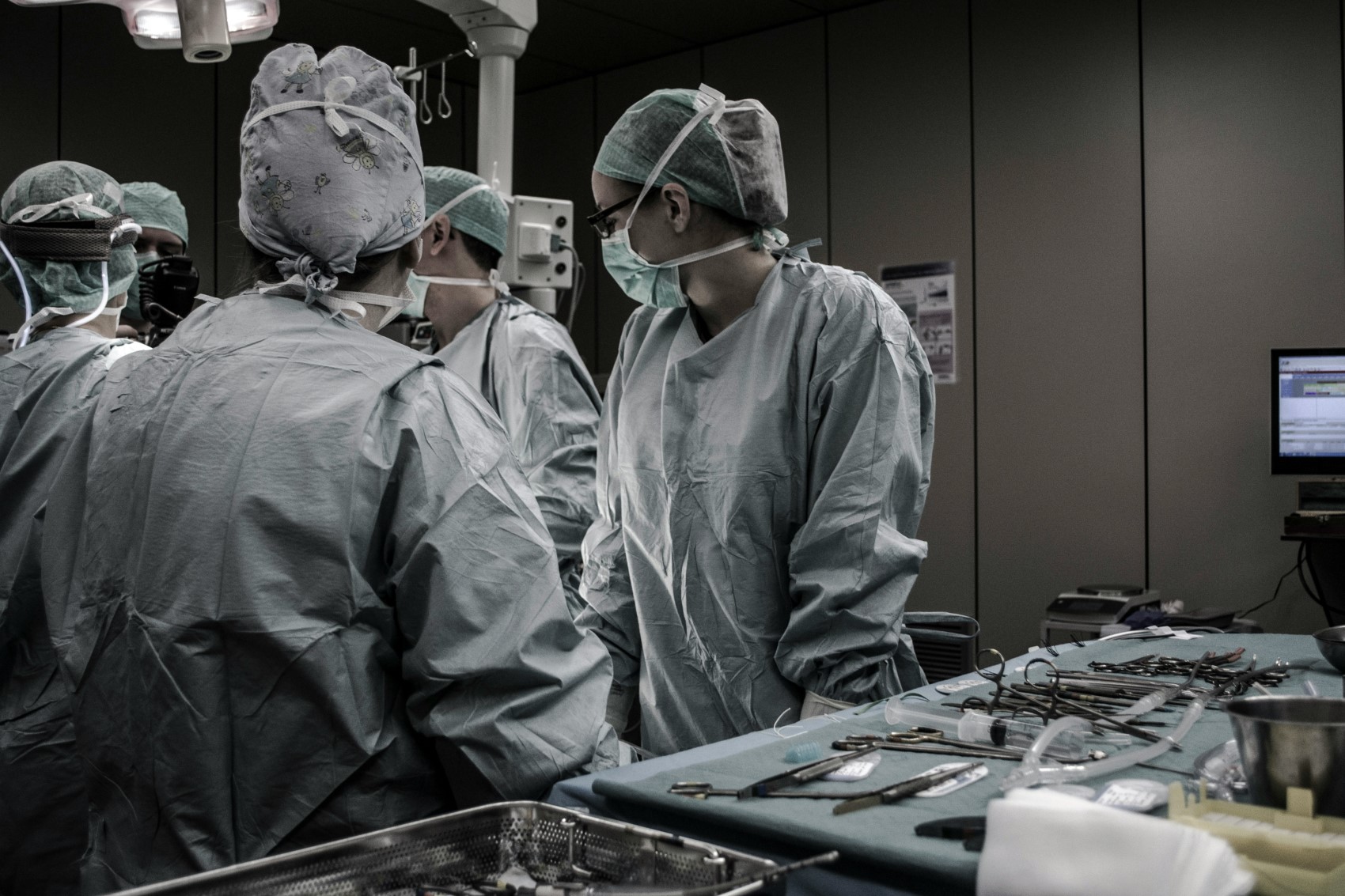
For example, a choreographer who was careful to eat healthy foods reported a strong craving for chicken nuggets, a food reportedly carried in the pocket of the donor's jacket at the time of their death. While such stories are anecdotal, they have encouraged scientific research into the potential mechanisms behind these changes.
 5 / 9
5 / 9
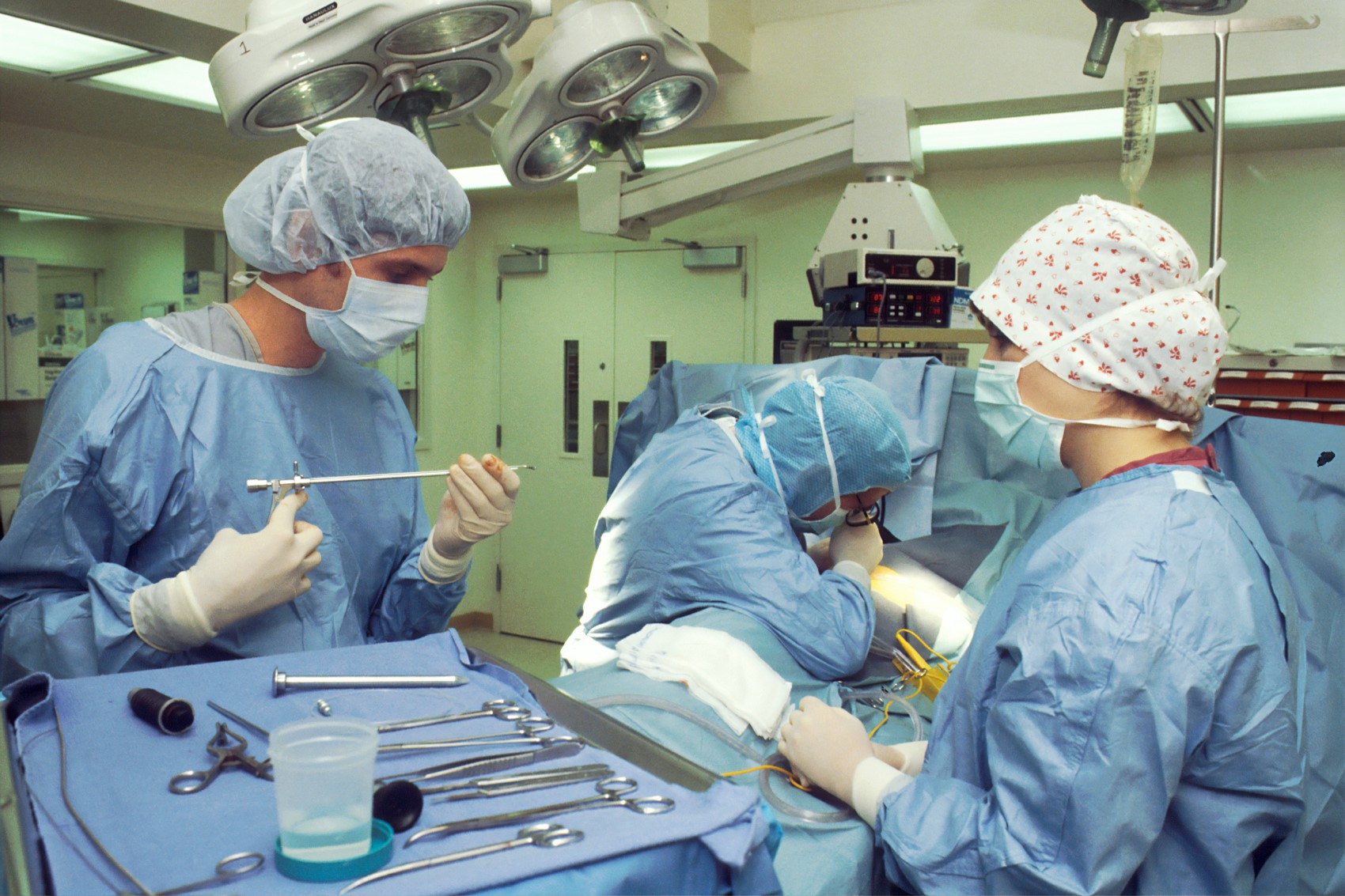
There are several different theories proposed on this subject.
 6 / 9
6 / 9
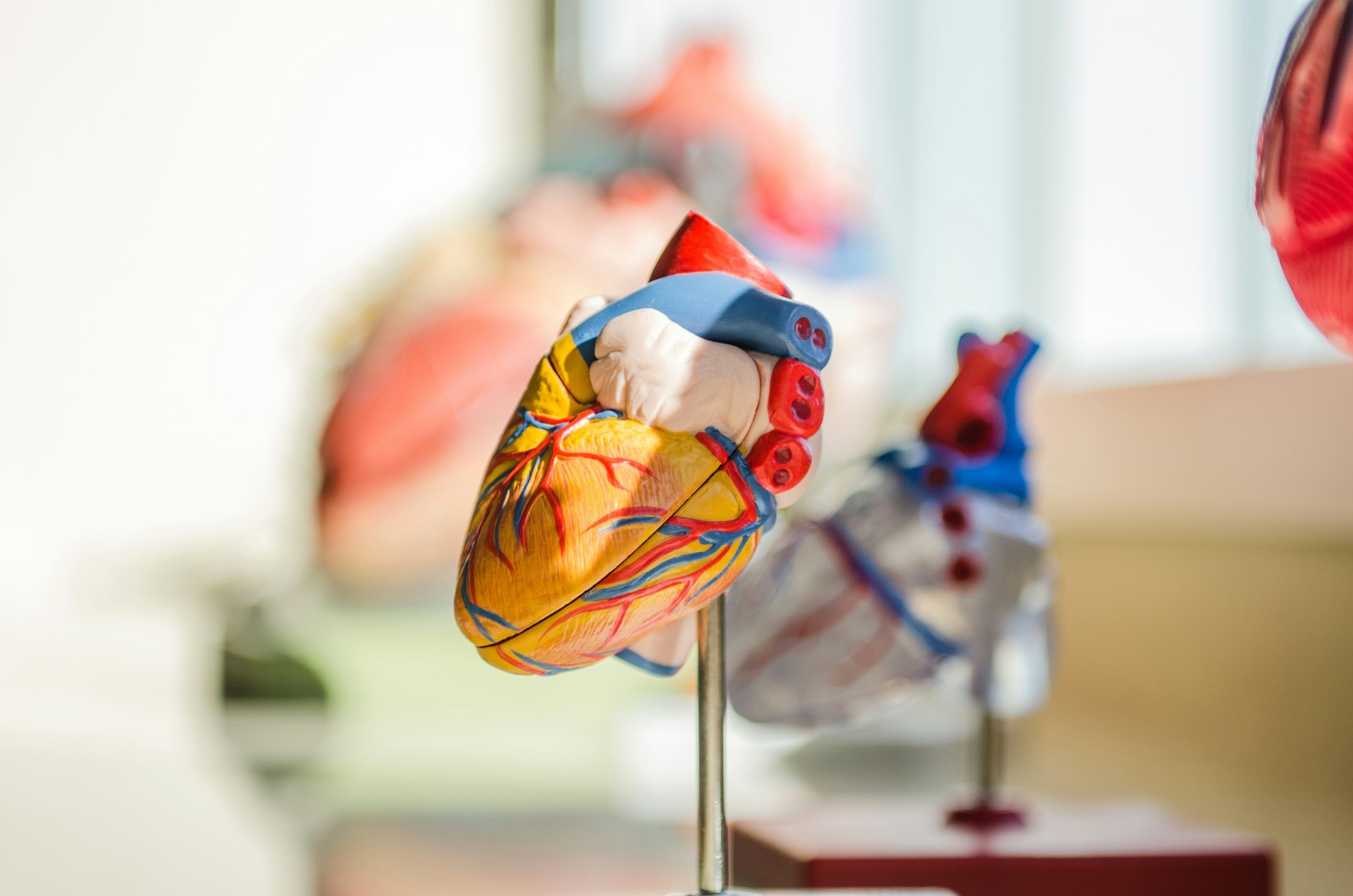
The concept of cellular or "body memory" suggests that individual cells can store information beyond their basic functions. Naturally, it may be possible for the same idea or concept to be reflected in organs. Furthermore, because the integration of a new organ can disrupt the recipient's existing cellular environment, changes in DNA expression without changes to the DNA sequence itself may also play a role in these events.
 7 / 9
7 / 9
Another possibility is that the heart's electromagnetic field—a network of neurons within the heart—may communicate with the brain in ways we do not yet understand. While there is no definitive explanation, the heart's role in bidirectional communication with the brain adds some weight to these possibilities.
 8 / 9
8 / 9
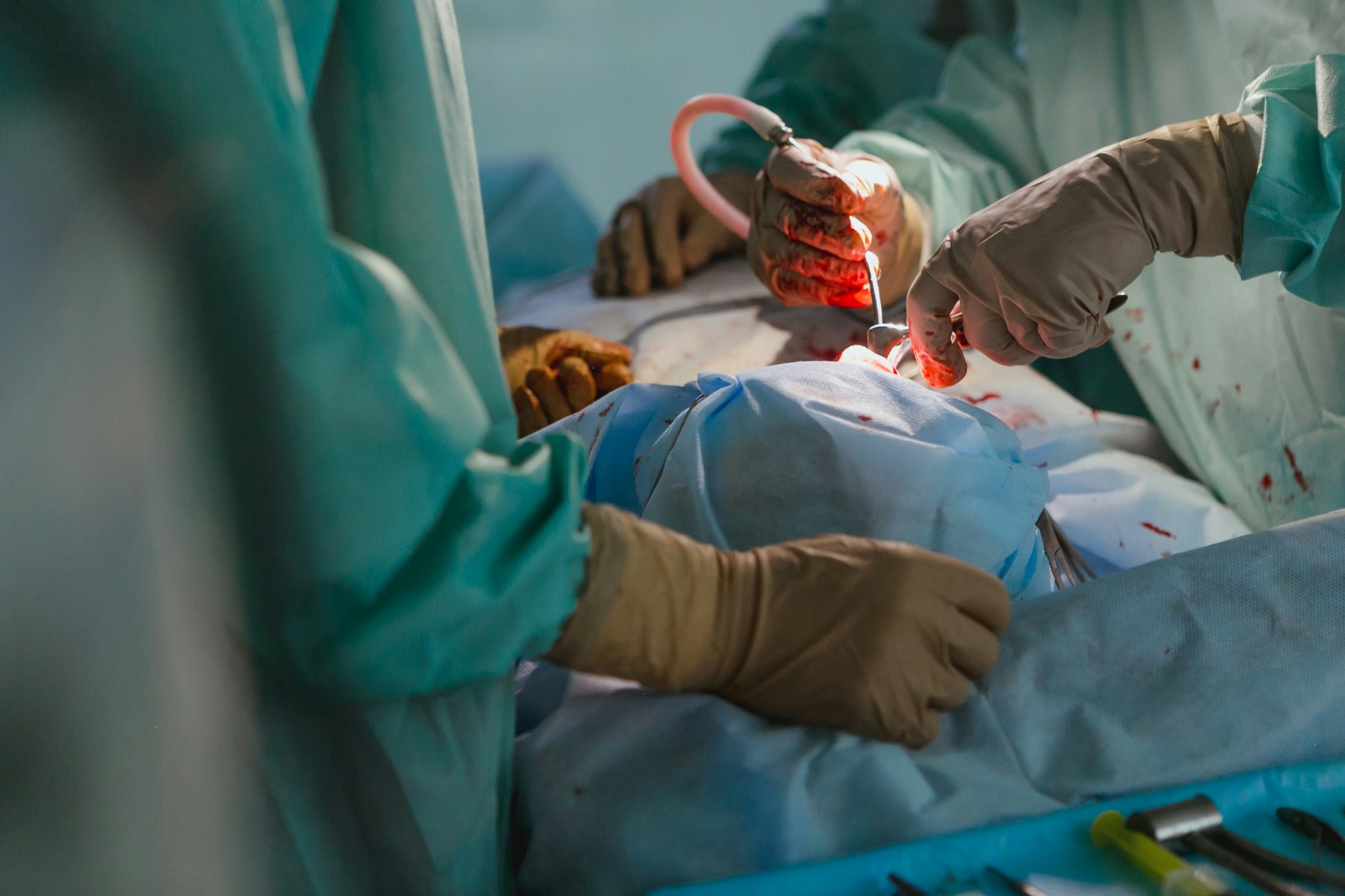
In addition to neurological, biochemical, and biophysical factors, many different elements—such as the physical and emotional burden created by the transplant surgery and the medications used—may combine to contribute to the emergence of these memory transfers (or at least the changes experienced) that come with the organ.
 9 / 9
9 / 9
Although no clear conclusions have been reached on this subject yet, as research deepens, more questions arise, and these questions may one day lead to findings that could reshape our understanding of organ transplantation and the human experience that comes with it.
News Source : 12punto