 1 / 10
Scientists have developed a method that can print temporary electronic tattoo sensors directly onto the scalp using 'biocompatible liquid ink'.
 2 / 10
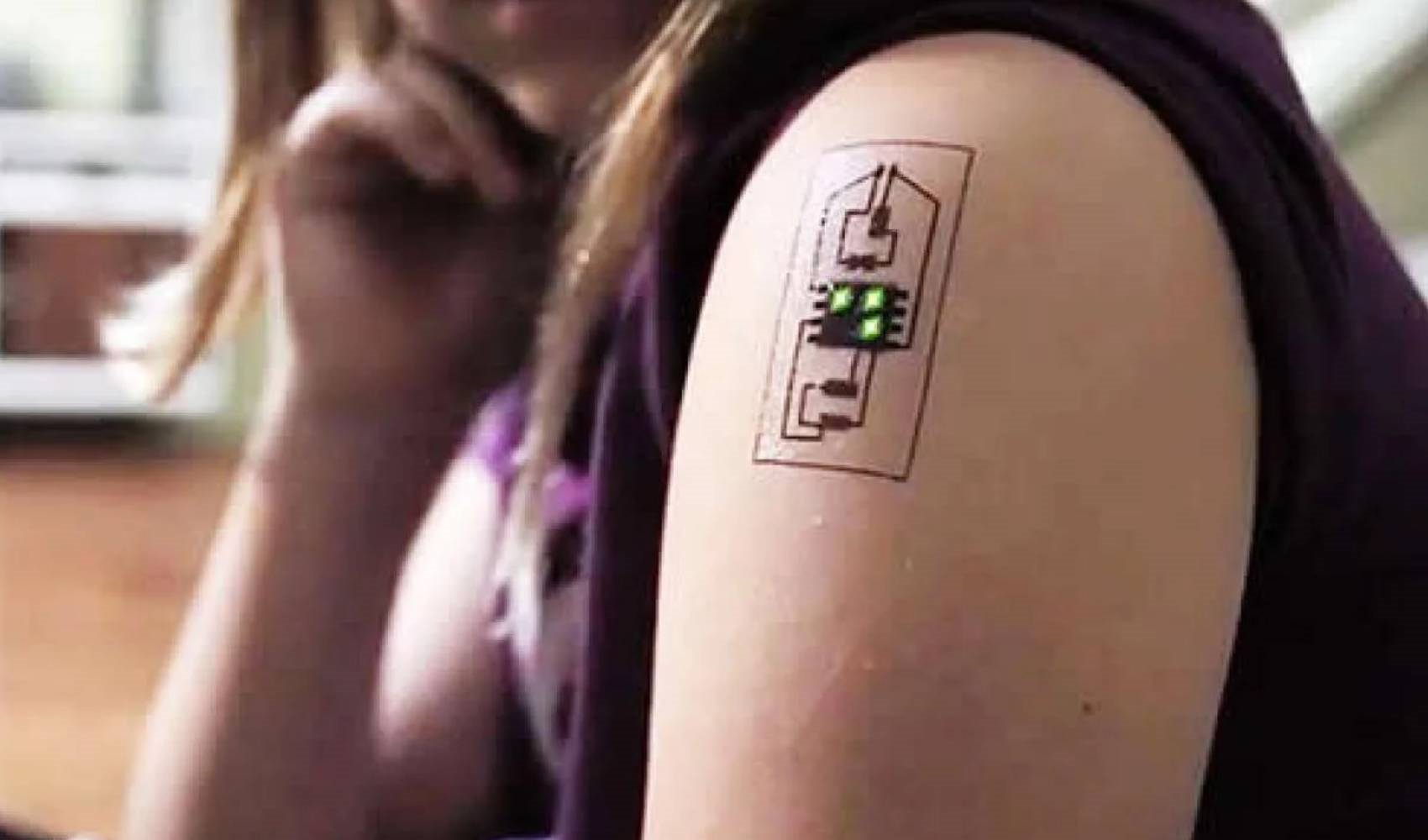
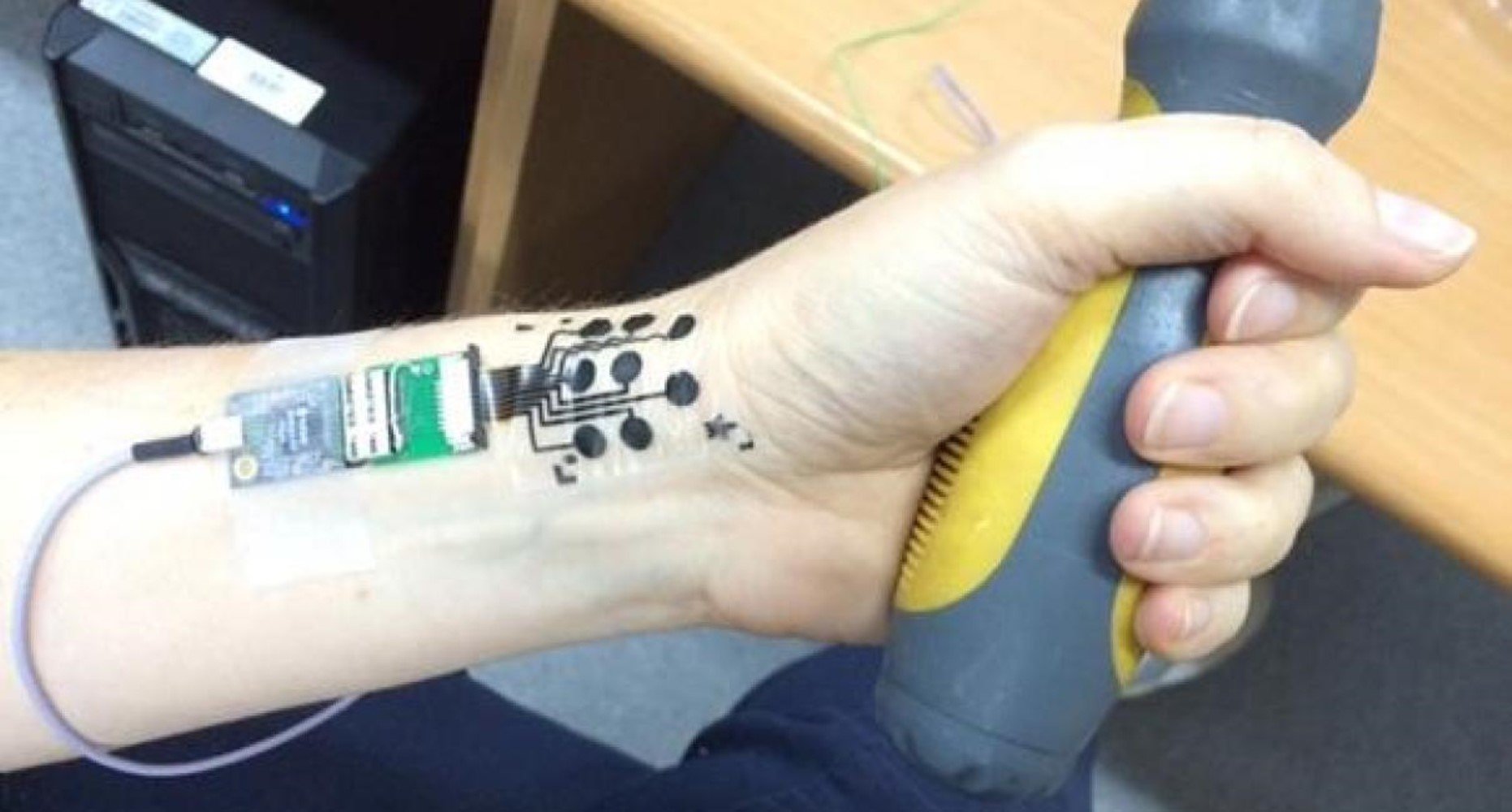
An electronic tattoo is a soft, wearable device with integrated sensors that is attached to the user's skin and transmits data wirelessly. Electronic tattoos can be worn anywhere on the user's body and can be used to monitor everything from the body's electrical impulses to the chemical composition of the user's sweat.
 3 / 10
Tests such as electroencephalography (EEG) are valuable in diagnosing various neurological conditions. However, these tests can be time-consuming and uncomfortable for patients.
 4 / 10
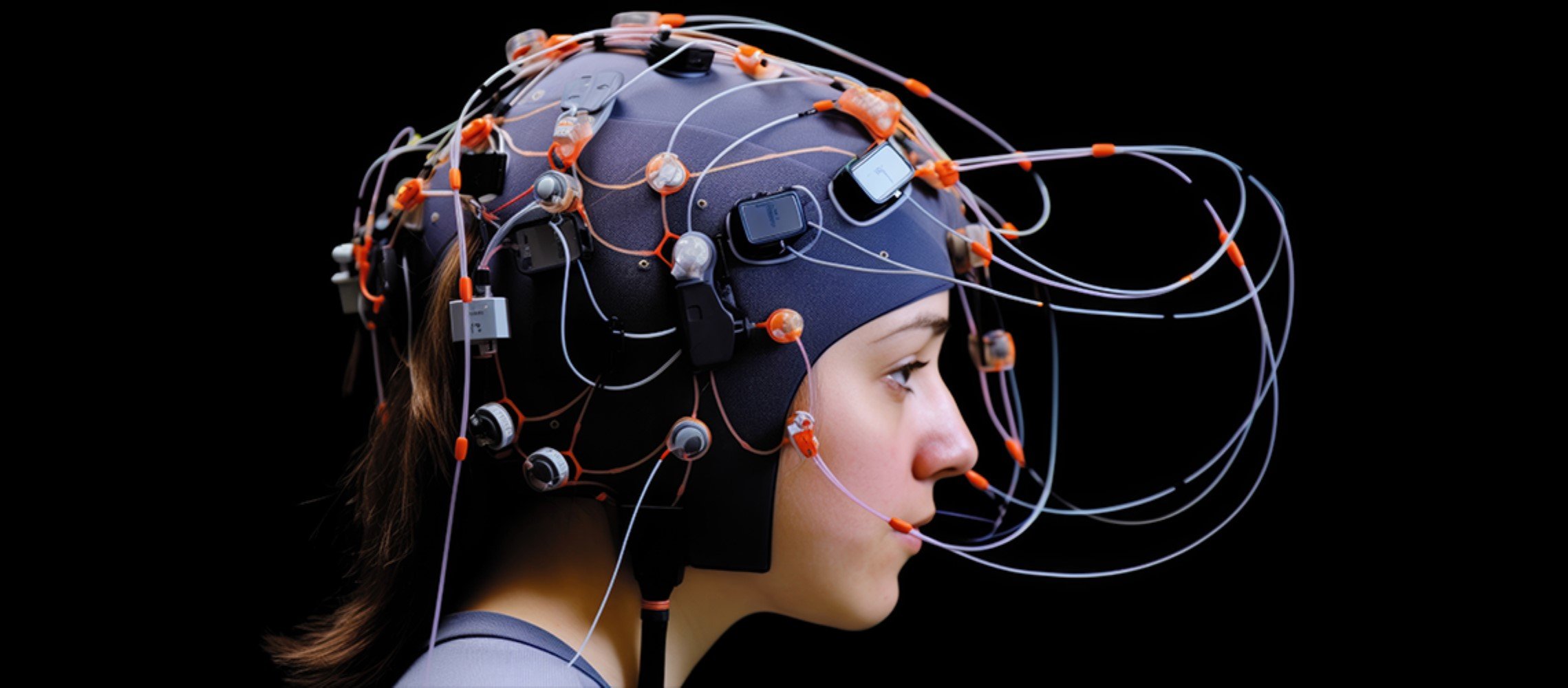
In a typical EEG, a technician carefully marks the points on the patient's scalp where electrodes will be placed, and these electrodes are connected to a data collection device with long cables. This process may require the patient to remain connected to the device for hours.
 5 / 10
A team from the University of Texas at Austin, aiming to improve this process, has developed e-tattoo sensors that are applied directly to the skin and can measure various body functions such as heart rate and blood pressure.
 6 / 10
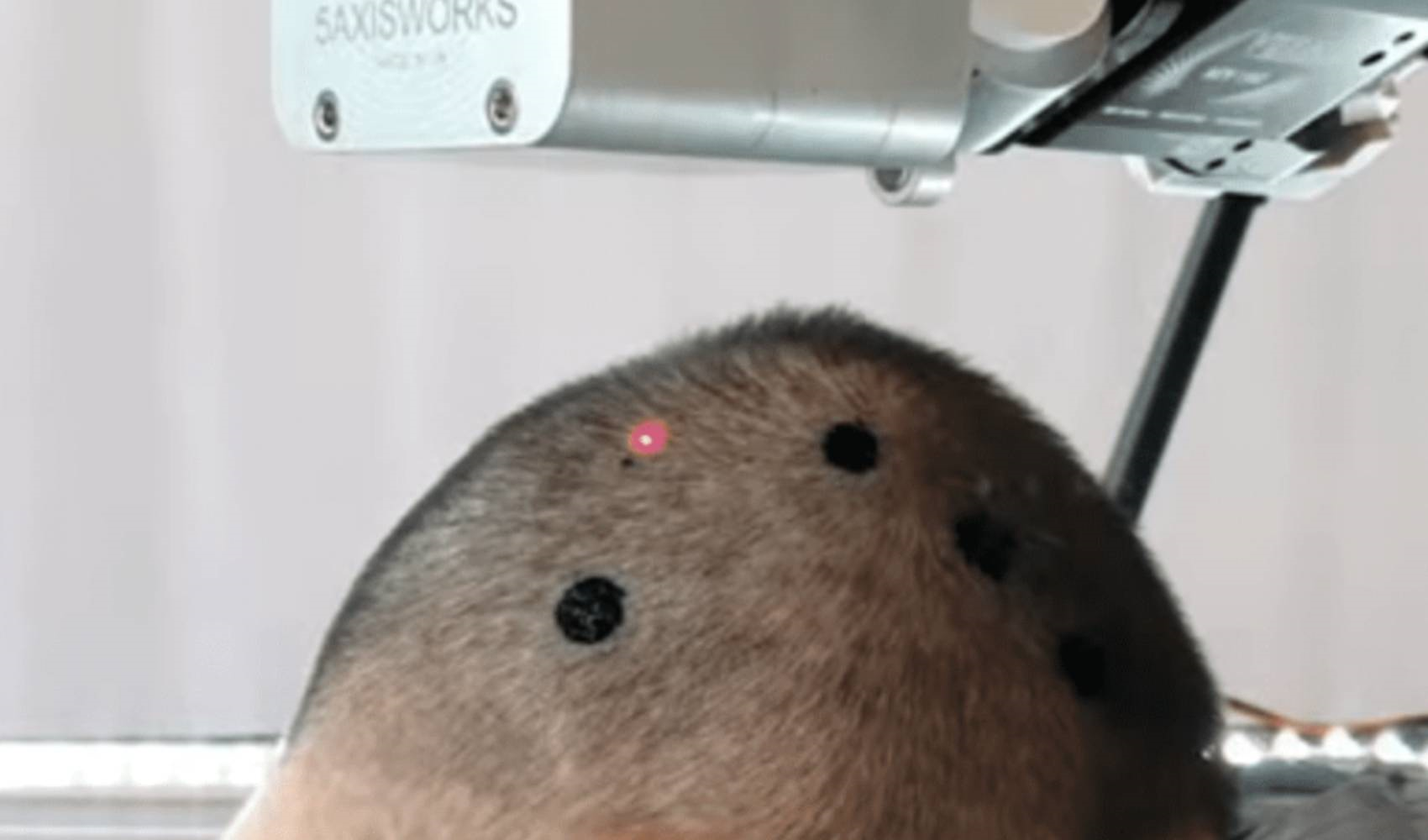
However, applying this technology to the scalp was difficult due to the presence of hair. Therefore, the team developed a biocompatible liquid ink made of conductive polymers. This ink can pass through the hair to reach the scalp and functions as a biological sensor once it dries.
 7 / 10
Tested on five volunteers, the e-tattoo electrodes were sprayed onto the scalp in a thin layer using a digitally controlled printer. This method was described as fast, painless, and economical.
The performance of the e-tattoo electrodes was found to be similar when compared to traditional electrodes placed alongside them. Furthermore, the e-tattoo sensors remained stable for at least 24 hours.
 8 / 10
While the conductive gel of traditional electrodes dries out after a few hours, reducing data collection accuracy, e-tattoo sensors overcome this problem.
 9 / 10
The researchers also printed e-ink "cables" extending from the electrodes toward the base of the skull, allowing for the use of shorter physical cables to connect to the data collection device. In the future, they aim to make the process completely wireless by adding components that enable data transmission to the ink's formula.
 10 / 10
This innovation is being described as a 'revolution in neurotechnology' and could have wide-ranging applications beyond clinical settings.
News Source : 12punto