 1 / 8
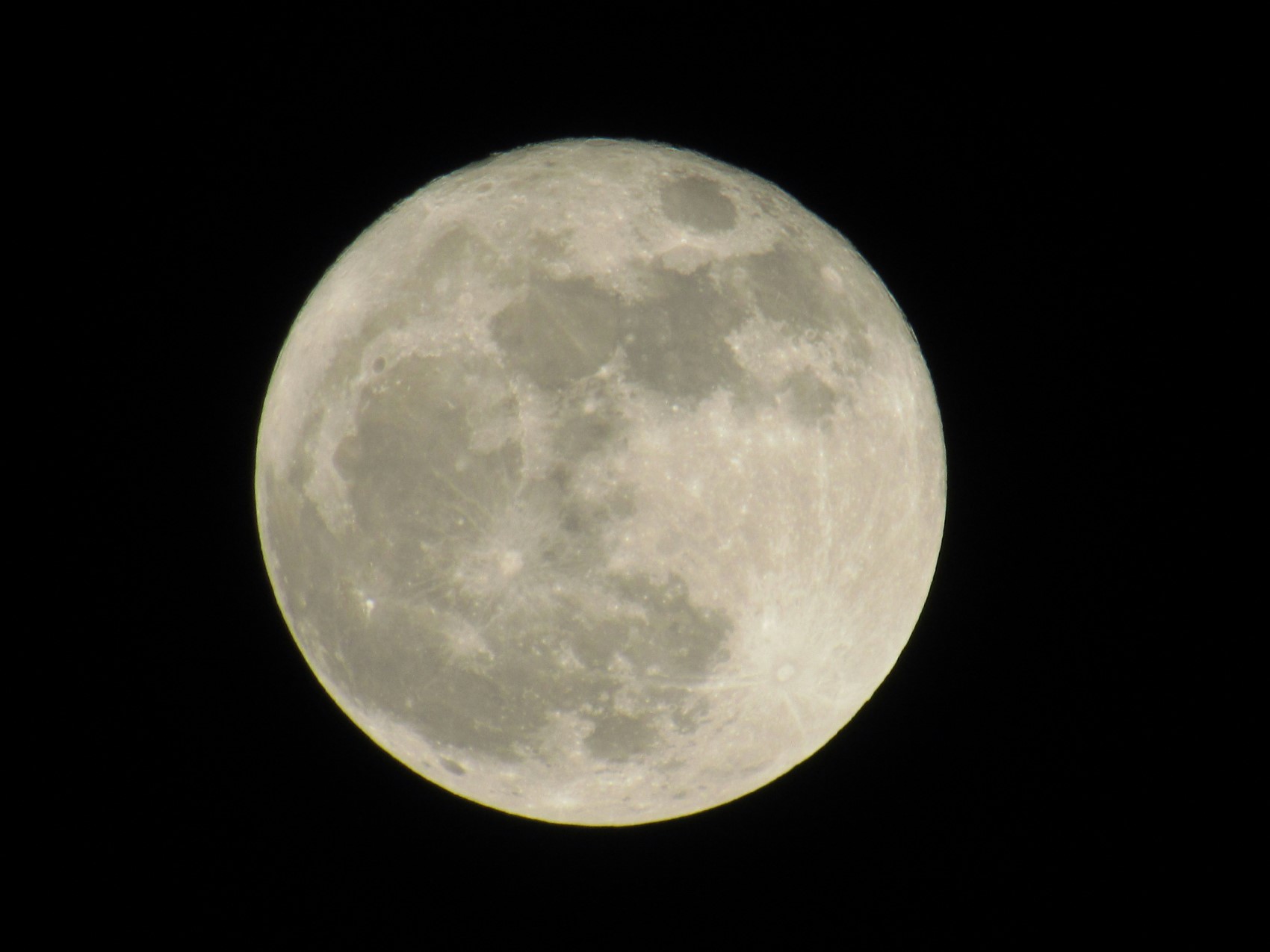
New findings about the Moon have been revealed through a study conducted by scientists from the US, France, and Germany.
 2 / 8
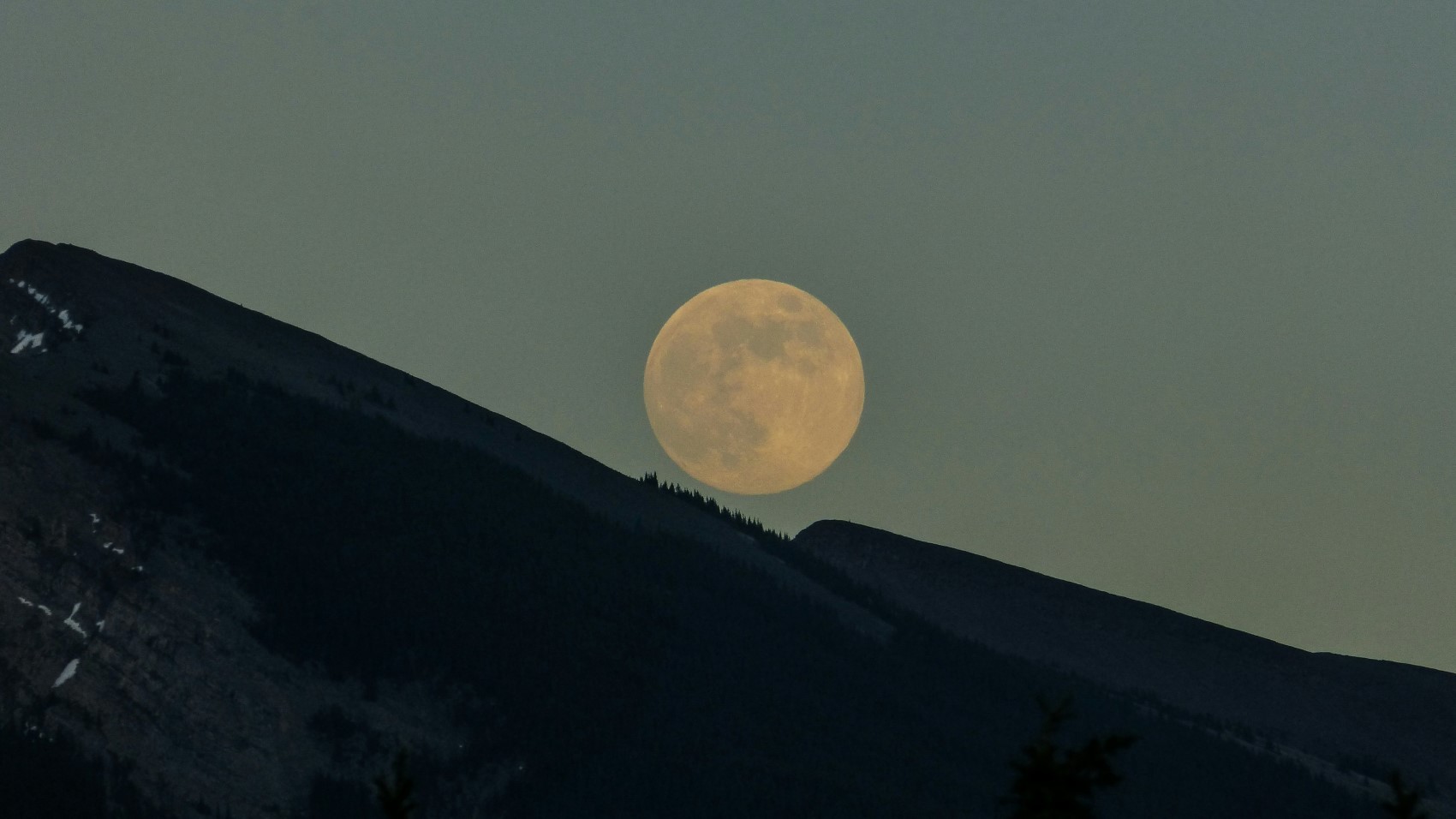
Scientists believe that the Moon was formed as a result of a Mars-sized object colliding with the young Earth. As a result of this collision, a portion of Earth's mass may have been ejected into orbit, and this material coalesced to form the Moon.
 3 / 8
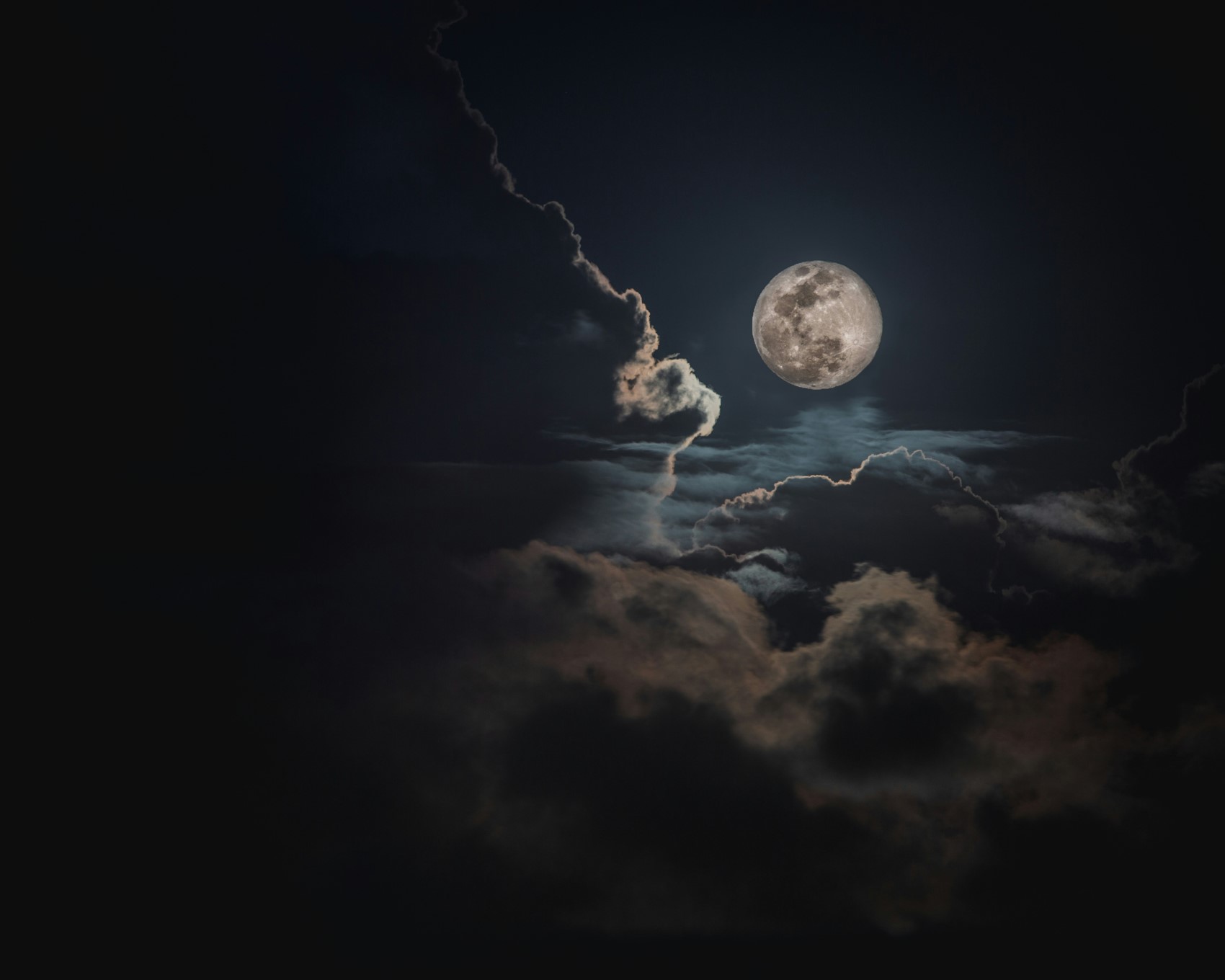
From that point on, it is predicted that the Moon had a magma ocean covering its entire surface, and that this ocean cooled and solidified rapidly. However, analyses performed on zircon crystals taken from the Moon do not align with this scenario.
 4 / 8
Zircon crystals allow for precise age calculations based on the ratios of uranium and lead they contain.
 5 / 8
Researchers determined the age of the zircon crystals on the Moon to be between 4.46 and 4.51 billion years. This data appears inconsistent with the existence of a magma ocean.
 6 / 8
In such an environment, it does not seem possible for zircon crystals to form and survive.
 7 / 8
Geologist Francis Nimmo and his team from the University of California, Santa Cruz, proposed that to resolve this discrepancy, the Moon underwent a crustal transformation by re-melting 4.35 billion years ago.
 8 / 8
The new findings indicate that the age of the Moon is between 4.43 and 4.53 billion years.
News Source : 12punto