 1 / 4
1 / 4
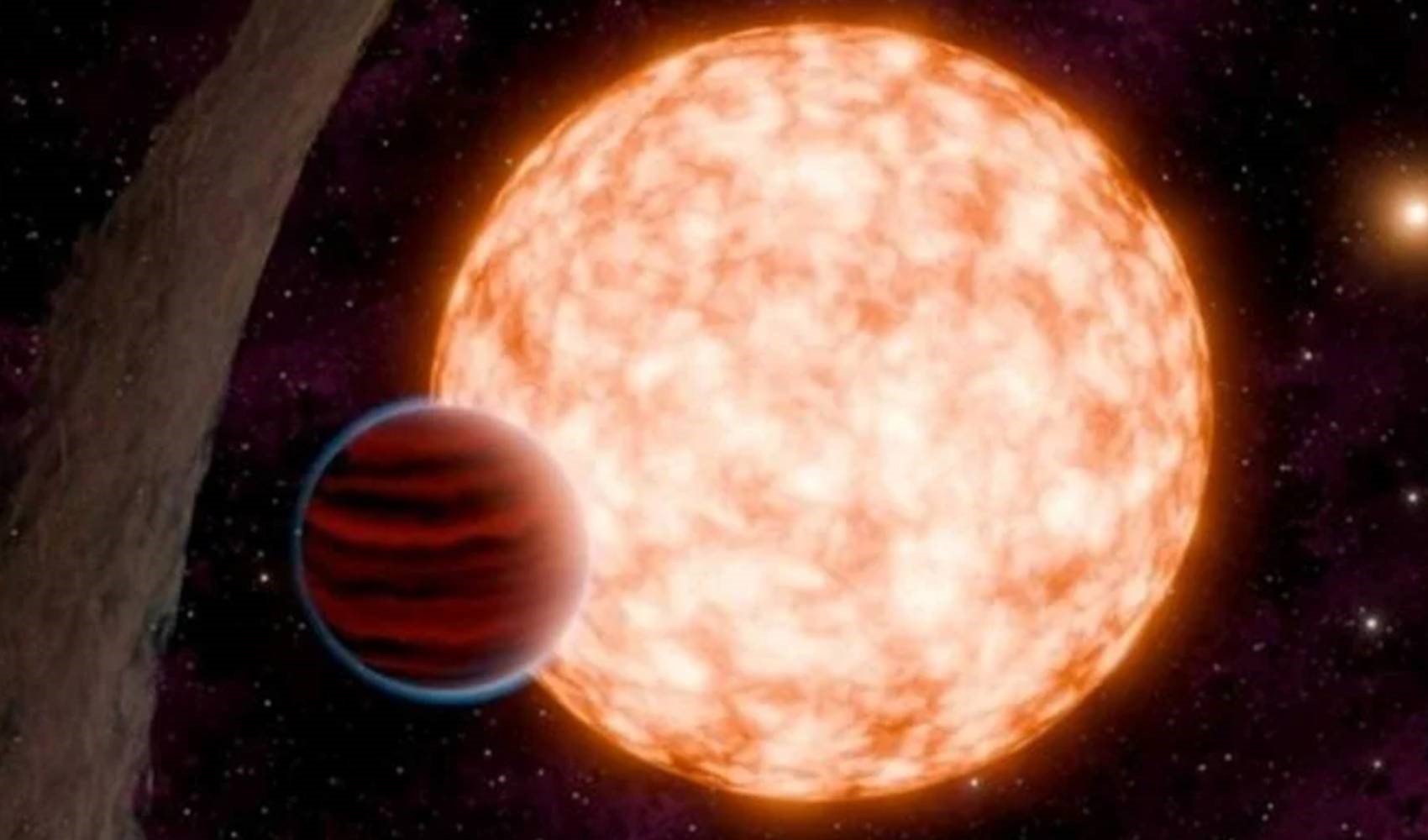
Astronomers have discovered a planet in the depths of the universe that is only 3 million years old. TIDYE-1b, also known as IRAS 04125+2902 b, is drawing attention as one of the youngest planets ever observed.
SHEDDING LIGHT ON PLANETARY FORMATION
This extraordinary discovery is reshaping our current understanding of how planets form. Madyson Barber, a graduate student at the University of North Carolina and lead author of the discovery team, described the discovery of TIDYE-1b as "an important step toward understanding the process of planet formation, almost like a time machine." Barber and her team discovered the planet using NASA's TESS telescope via the transit method. This method makes it possible to detect a planet's existence by observing the slight dimming of its star's light as the planet passes in front of it.
 2 / 4
2 / 4
Stating that planets typically form within clouds of dust and gas, researchers explained that TIDYE-1b was observable due to its unique orbit. This planet has a unique structure, as it does not typically have an orbit aligned with its star and the surrounding disk of gas and dust. Associate Professor Andrew Mann from UNC-Chapel Hill emphasized that this unusual tilt is leading us to re-evaluate current theories about planetary formation.
 3 / 4
3 / 4
A FUTURE SUPER-EARTH
TIDYE-1b moves in an orbit extremely close to its star and completes one revolution around its star in approximately nine days. According to projections for the planet, TIDYE-1b has the potential to evolve into a "super-Earth" or "sub-Neptune" type planet in the future. With a diameter approximately 11 times that of Earth, this planet provides an important example showing that planets can form in a short period of time.
 4 / 4
4 / 4
In previous discoveries, young planets could not be observed due to clouds of dust and gas. However, the discovery of TIDYE-1b provides astronomers with a deeper understanding of the early stages of planetary formation.
News Source : 12punto