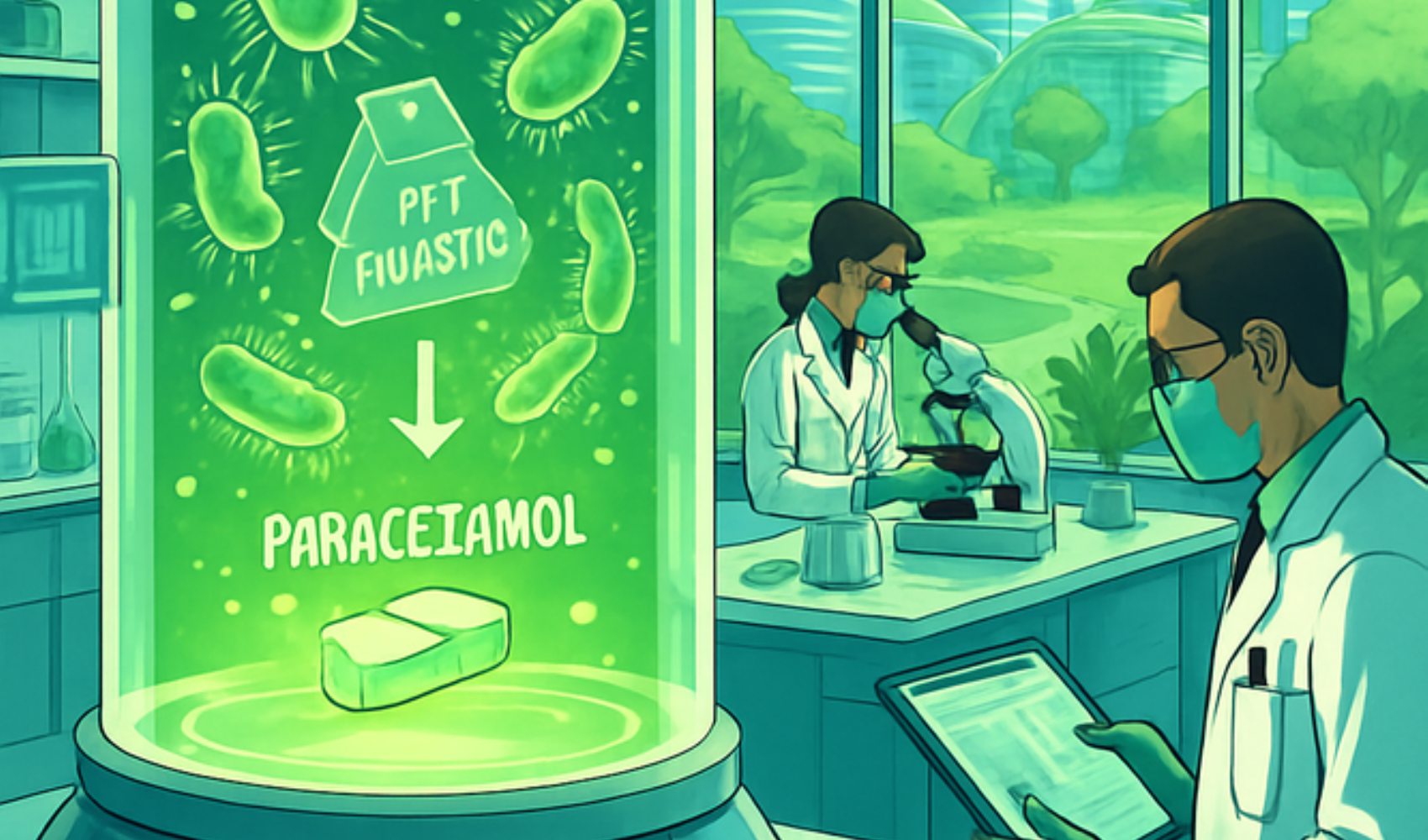
While billions of tons of plastic waste worldwide cause serious damage to the environment, a team led by Dr. Stephen Wallace from the University of Edinburgh has succeeded for the first time in history in converting this waste into a medically significant compound.
According to the research published in the journal Nature in 2025, genetically modified bacteria can take the building blocks of plastics such as PET (polyethylene terephthalate) and convert them into the common painkiller paracetamol.
This unique biotechnological approach aims to both reduce plastic pollution and create a sustainable source for pharmaceutical production. Scientists first break down waste plastics like PET into their basic building blocks using chemical or enzymatic processes. These monomers are then fed to specially programmed E. coli bacteria. Through a few biochemical steps, the bacteria convert these substances into the building blocks used in the synthesis of paracetamol.
A FIRST IN SCIENCE
The Edinburgh team achieved a first in the scientific world by performing the Lossen rearrangement reaction—previously only possible in a laboratory-specific chemical environment—live within a bacterial cell. The genetically modified bacteria incorporated this complex organic transformation as part of their own metabolism.
The success demonstrated by the study opens the door to new and greener production methods in the pharmaceutical sector. Furthermore, the control of plastic waste and the reduction of its amount in circulation offer promise for the environment. Researchers state that the technique will be further developed for industrial-scale viability, noting that this method could be used in the future for the production of other medical compounds or industrial chemicals.
The increasing amount of plastic waste each year threatens both human health and ecosystems. However, such innovative biotechnological applications could provide significant solutions in both waste management and sustainable pharmaceutical production. Experts expect this method to find widespread use in different sectors in the coming years.
News Source: 12punto