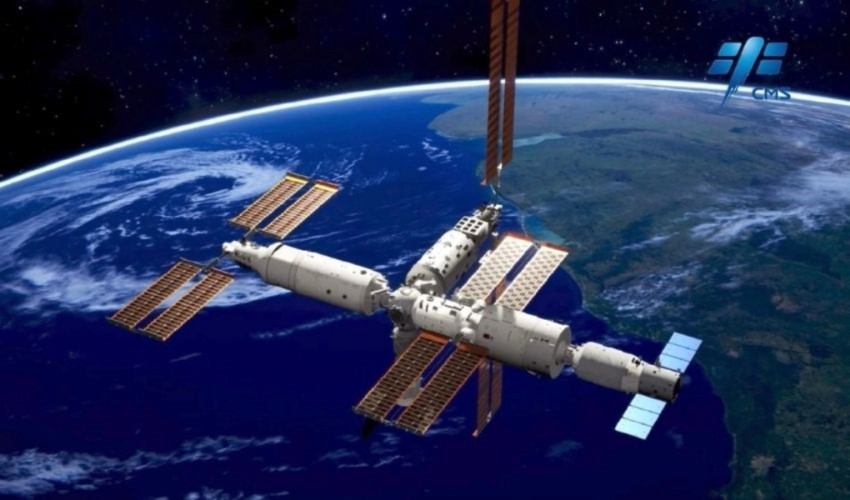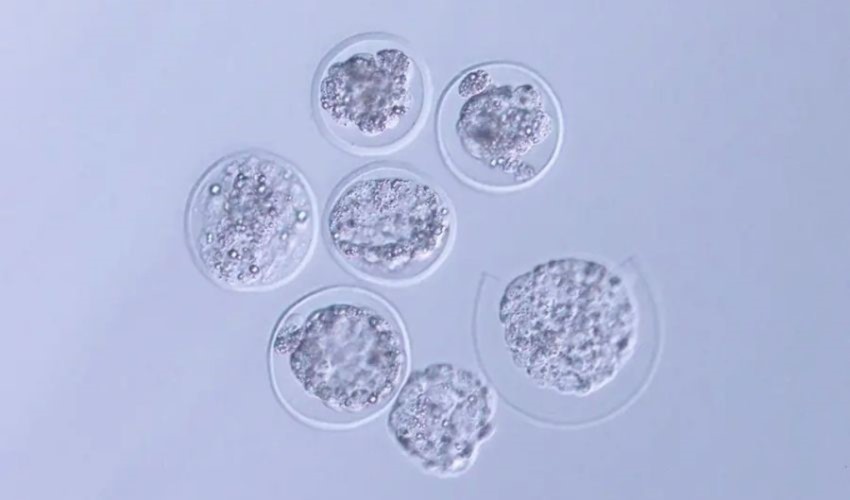
According to a report by New Scientist, scientists have grown mouse embryos on the International Space Station (ISS) for the first time.
Frozen mouse zygotes prepared in the laboratory by lead author Teruhiko Wakayama and his team were sent to the ISS via a SpaceX rocket in August 2021.
2-CELL EMBRYO CULTURE GROWN AND SENT BACK TO EARTH WITHOUT DEGRADATION
Astronauts on the ISS grew the 2-cell embryo (zygote) culture for 4 days, the maximum time they can survive outside the womb, and sent them back to Earth after using chemical processes to prevent degradation.
The researchers stated that no DNA or structural damage was observed in the mouse embryos grown in the microgravity and high-radiation environment, and that they showed normal progression toward fetus and placenta formation.
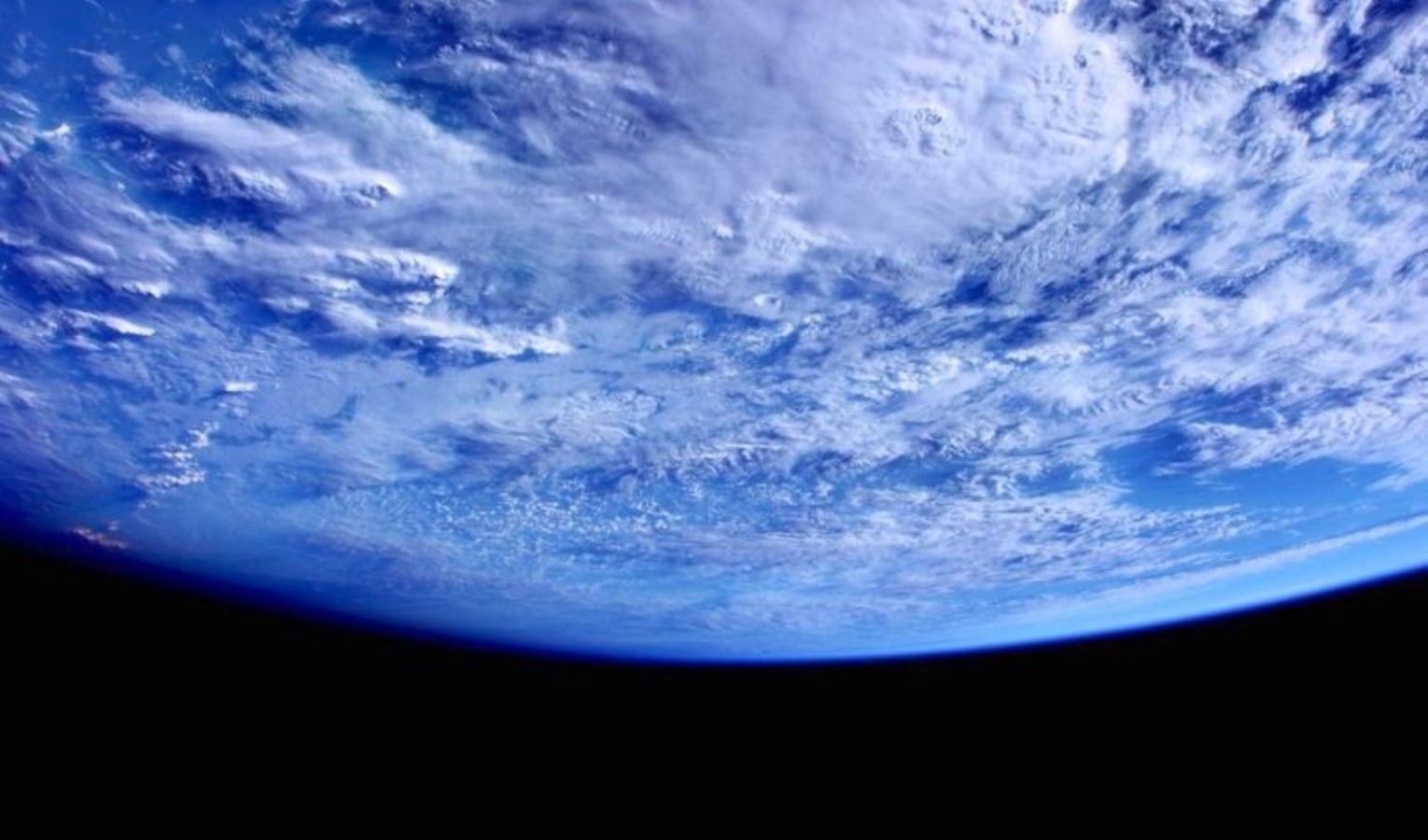
It is believed that the high radiation in space did not damage the DNA sequence of the embryos because of the short duration of exposure.
Wakayama noted that the study is an important step in confirming the safety of the process as a precaution against the possibility of pregnant individuals being present on journeys from Earth to Mars that last longer than 6 months.
Stating that the results indicate that the reproduction of mammalian species in space may be possible, Wakayama emphasized that the difficulties of giving birth in microgravity are not yet known.
In previous studies where mice were sent to space via NASA for 9 to 11 days during the second half of their pregnancy, it was determined that pregnant mice gave birth to pups of average weight that completed their normal development after returning to Earth.
Wakayama's team plans to further investigate the success of fertilization by sending mouse sperm and eggs to the ISS, and by re-injecting the embryos sent to the ISS into female mice upon their return to Earth to see if they result in healthy offspring.
The results of the research were published in the journal "iScience".
News Source: AA