A new study shows that we could build paved roads and landing pads on the Moon's surface by melting lunar soil into a harder, layered material.
Many space agencies, including NASA, are planning to establish semi-permanent bases on the Moon that will both enable better exploration and serve as a stopover on the way to Mars and other parts of the Solar System.
However, the Moon's surface is a difficult place for landing and living. The soil's dust tends to be kicked up by landing craft, and the low gravity means that the stirred-up dust has the potential to fly around and get inside equipment.
According to a report by Independent Türkçe, future lunar colonies may therefore require solid roads and landing pads to enable us to travel both to the Moon and around it. But given the cost, it does not seem very feasible to transport materials for construction. This has led scientists to look at what is already available there.
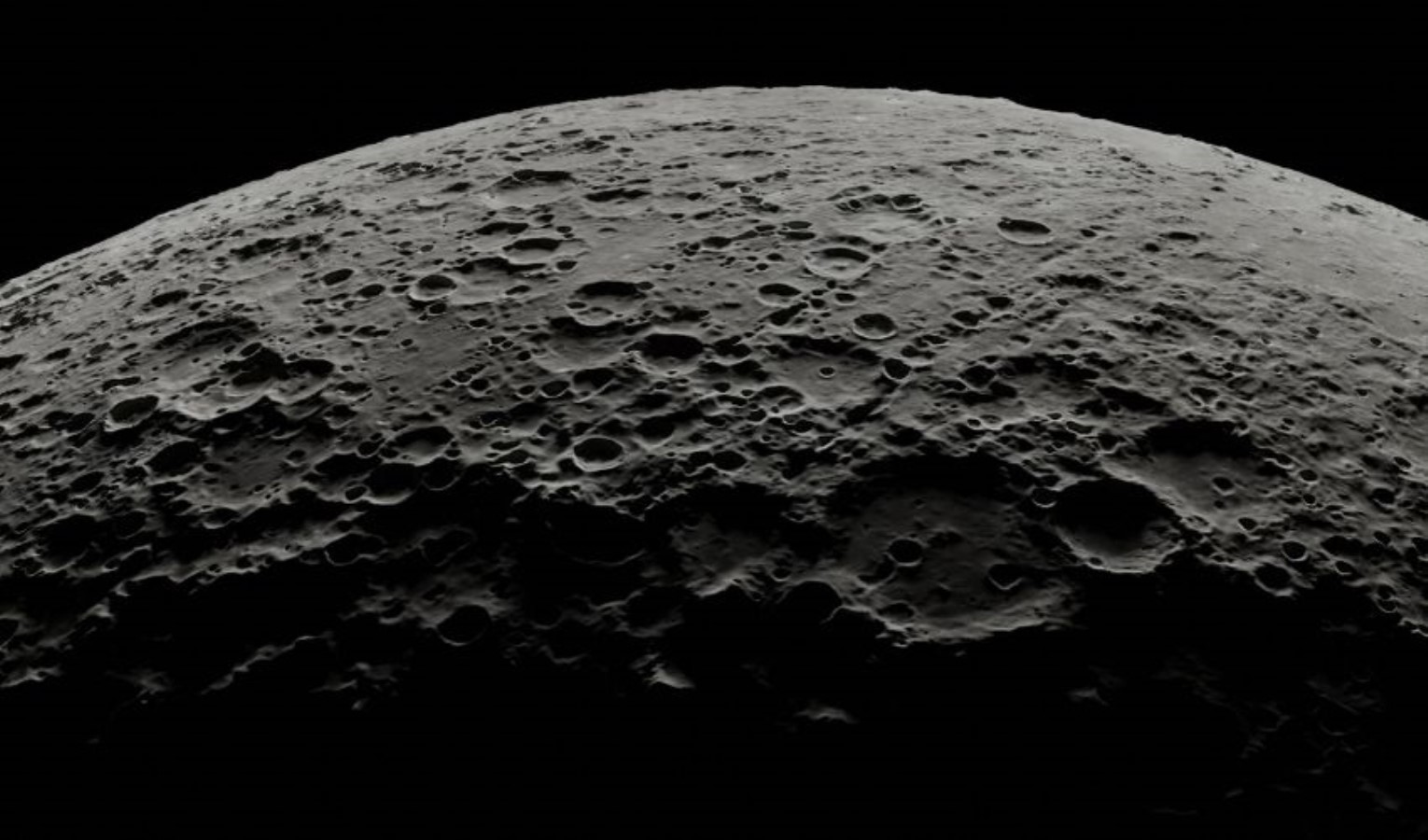
In the new study, scientists examined whether lunar soil could be transformed into something more robust using lasers. The team achieved some success by discovering that lunar dust could be melted and turned into a solid material.
Lasers of various sizes and types were used to see what would emerge. The best one used a 45-millimeter diameter laser beam to create hollow triangular shapes approximately 250 millimeters in size.
The researchers suggest that the pieces could be interlocked to form solid surfaces that could be placed on the Moon's surface and subsequently used as roads and landing pads.
Implementing the same method on the Moon would require transporting a lens of approximately 2.37 square meters from Earth. This lens could also be used to concentrate sunlight instead of a laser, thus allowing the material to be created with relatively small equipment.
The plan is featured in a new scientific journal article published in Scientific Reports titled "Laser-based production of large lunar regolith simulant elements for paving on the Moon."
News Source: 12punto