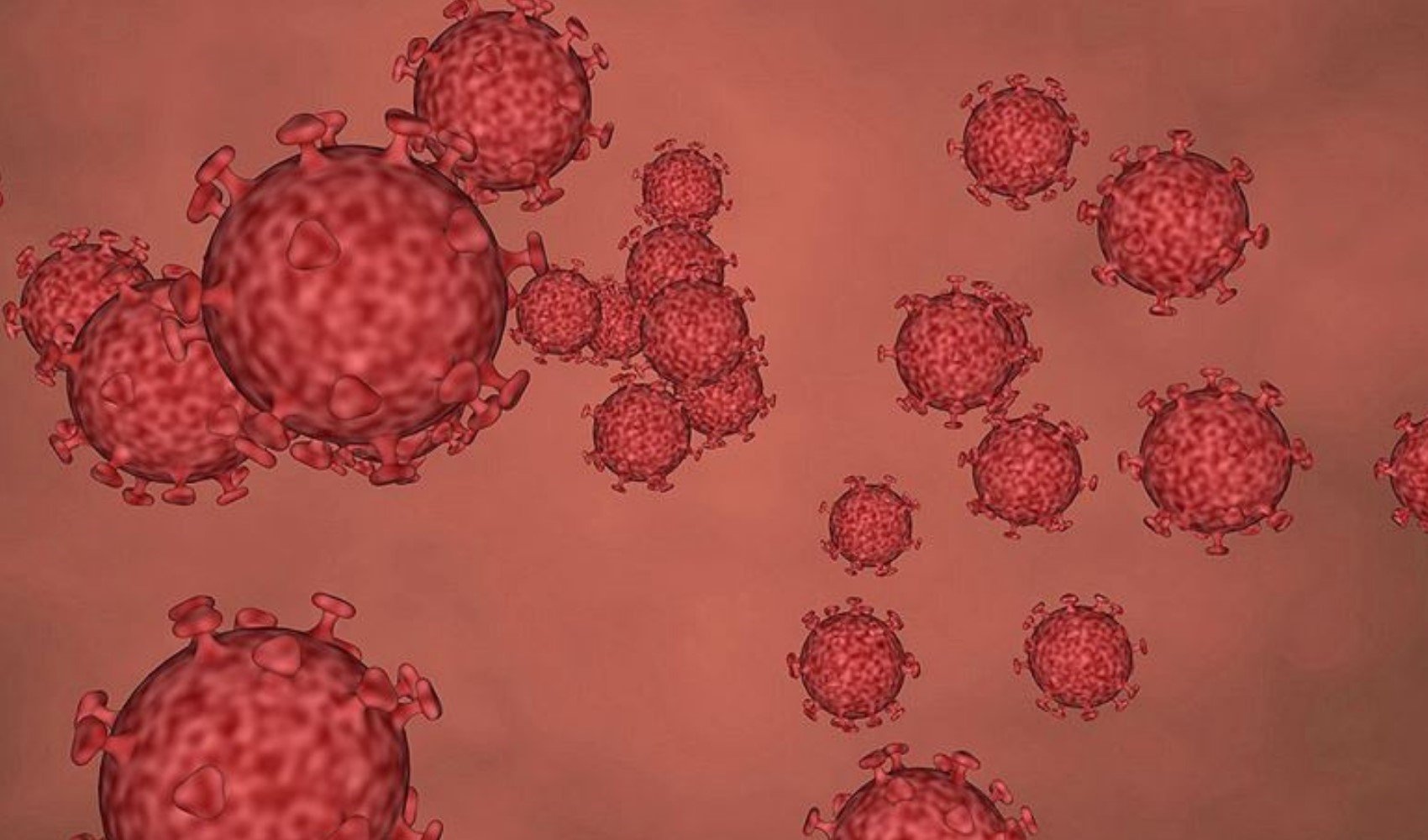
While the effects of COVID-19 are still ongoing, scientists from Japan and Brazil have discovered a new type of coronavirus in bats in Brazil that could potentially infect humans. This virus, named BRZ batCoV, has a mechanism similar to SARS-CoV-2, the causative agent of COVID-19. The virus possesses a structure called a "furin cleavage site" (FCS), which is necessary for entry into human cells, and this structure is nearly identical to the one found in SARS-CoV-2.
In a study published on bioRxiv last week, it was noted that the genetic structure of this new virus is quite different from other coronaviruses and may represent a previously unknown subgenus of betacoronavirus. This situation once again highlights that there are many bat coronaviruses in nature that could lead to new outbreaks in humans.
GENETIC DIVERSITY IN THE AMERICAS
Even before the COVID-19 pandemic, scientists were warning that the next pandemic could be caused by coronaviruses. However, knowledge about this virus family was generally based on data obtained from Asia, Africa, and the Middle East. The genetic diversity of viruses found in bats in the Americas was largely unknown.
Researchers who examined samples collected from 70 bats in Brazil in 2019 aimed to address this gap in knowledge. The discovery of the new virus showed that dangerous characteristics can also evolve independently in this region.
EARLY WARNING SIGNAL
The research has not yet been published in a peer-reviewed journal, so the findings need to be examined in detail. The researchers emphasized that the transmissibility of BRZ batCoV has not been directly tested and its zoonotic potential (transmission from animal to human) has not yet been fully determined. However, such studies are considered by the scientific community as an urgent "early warning signal."
Scientists state that the diversity of viruses in bats makes them a critical group for monitoring zoonotic diseases. It is stated that global surveillance efforts must be increased to monitor these viruses more closely in order to prevent future pandemics.
News Source: 12punto