The debate over free will is one of the most challenging topics not only in philosophy but also in modern neuroscience. If electrical and chemical processes in the brain can explain our decisions, what really happens the moment we say, 'I chose'? This question becomes strikingly apparent in the opposing approaches of neurobiologist Robert Sapolsky and neuroscientist Peter U. Tse.
In his book, 'Determined: Life Without Free Will,' Sapolsky rejects the fundamental arguments that humans possess free will. According to him, a behavior is the result of countless factors such as genetic predispositions, hormones, brain development, childhood conditions, culture, stress levels, education, poverty, or privilege. In an interview with the LA Times, he summarized this view sharply, stating, 'Like every other living organism, we are just biological machines.'
Peter U. Tse of Dartmouth College disagrees with this interpretation. Tse describes Sapolsky as 'brilliant but wrong' and argues that viewing humans merely as a sum of predetermined biochemical reactions presents an incomplete picture. According to him, 'Those who suggest that we are nothing more than deterministic biochemical puppets are responsible for the increase in psychological suffering and hopelessness in this world.'
WHAT DO SCIENTIFIC DATA SHOW?
The current scientific landscape shows that free will is more complex than previously thought, rather than definitively confirming one of the two extreme claims. Neuroscience has provided strong material for proponents of determinism through experiments revealing that preparatory processes begin in the brain before the conscious moment of 'intention.' In classic decision-making experiments, the observation of measurable preparatory signals in the brain before a simple movement led to the interpretation that a 'conscious decision' might actually be the final stage of the process.
However, these findings have limitations. Simple tasks like pressing a button in a laboratory are not the same as moral, social, and long-term decisions in real life. Furthermore, the brain preparing for a decision does not necessarily mean the outcome is entirely inevitable. Processes such as conscious attention, learning, changing habits, environmental regulation, and social feedback are also part of behavior.
Sapolsky's deterministic approach is particularly strong in understanding the causes of behavior: A person's reaction at a given moment cannot be explained solely by 'character' or 'weakness of will.' Brain trauma, addiction, early childhood stress, socioeconomic conditions, and neurological differences have real effects on behavior. This perspective can encourage less vengeful and more causal thinking in debates regarding punishment, responsibility, and rehabilitation.
Tse's objection focuses on this: Viewing the human mind merely as a passive result of past causes may underestimate the brain's flexibility and high-level regulatory capacity. Humans can set goals, weigh options, restrain themselves, change their habits, and create environments that will influence future behavior. All these processes occur within the brain; however, this does not mean they are insignificant or unreal.
THE CORE DISTINCTION OF THE DEBATE
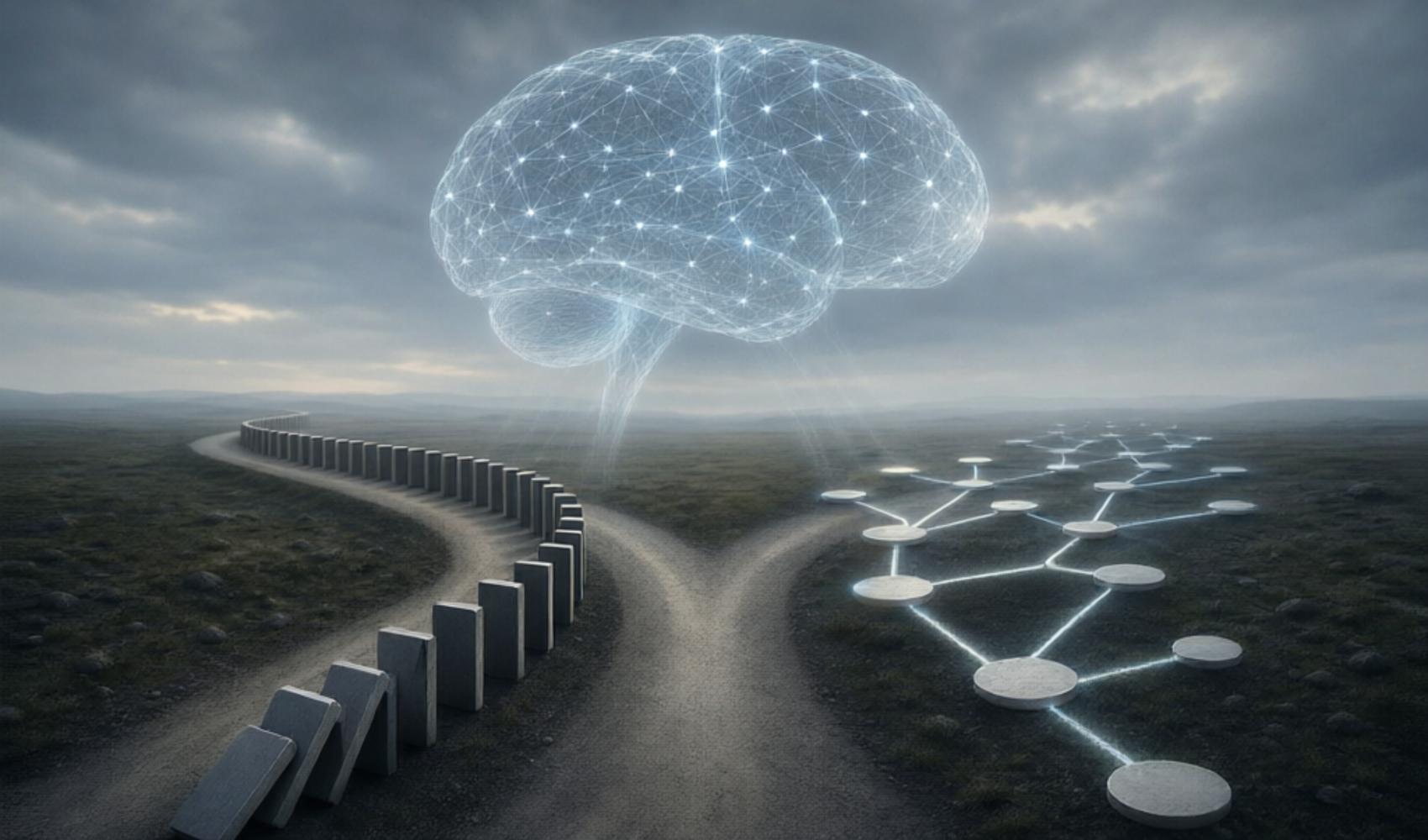
The real distinction hinges on what is meant by 'free will.' If free will means a power of choice completely independent of the past, the body, genetics, the environment, and brain processes, modern science does not offer strong support for such a power. Human behavior is not disconnected from biological and environmental causes.
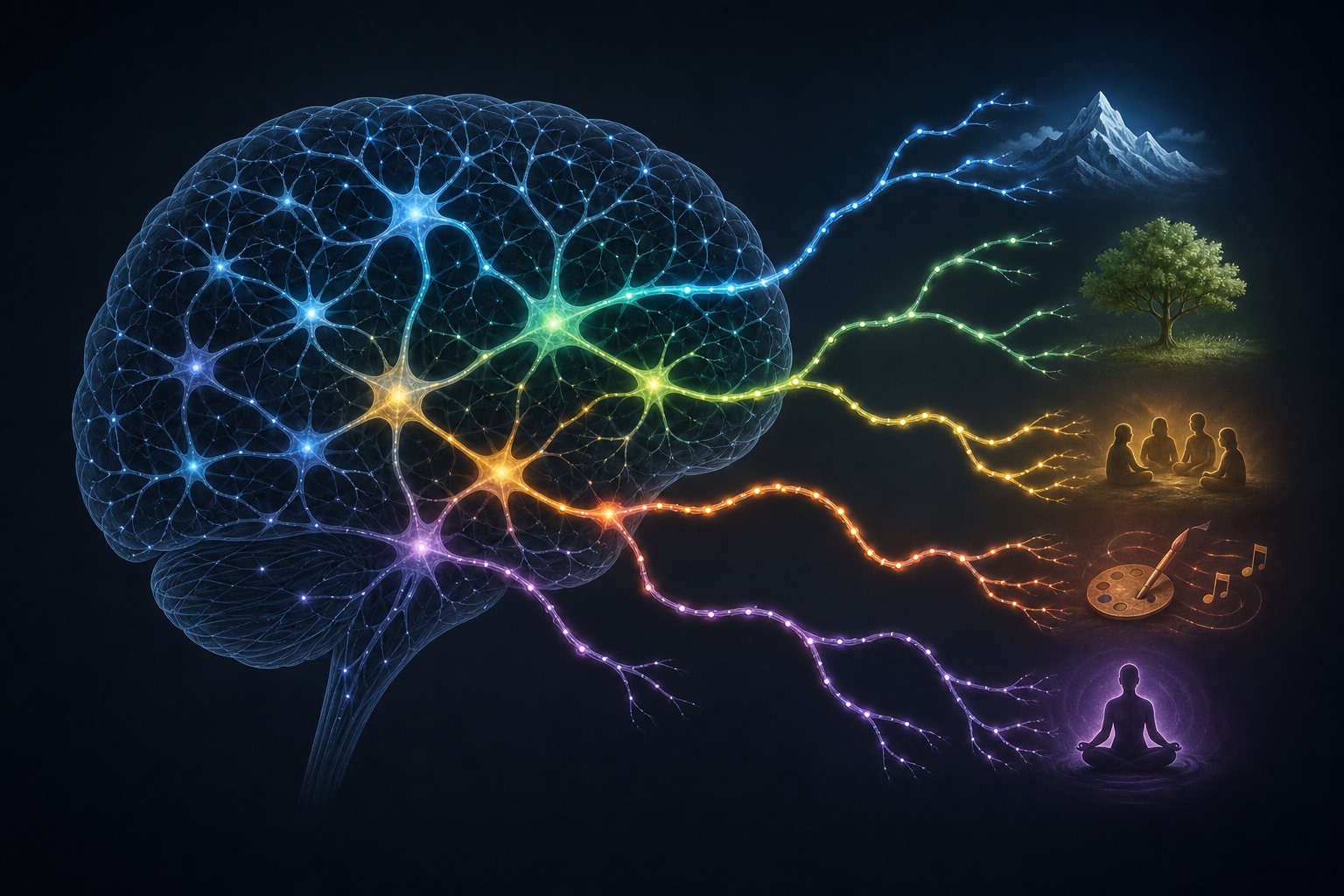
Conversely, if free will is defined as a person's ability to understand reasons, evaluate options, manage impulses, and change their own behavior over time, neuroscience paints a different picture. The brain's learnable, adaptable, and partially self-reorganizing structure shows that human actions are not merely mechanical reflexes.
Therefore, current scientific data weaken the idea of an absolute and unlimited free will, but they do not make a crude determinism that reduces humans to entirely helpless puppets the only necessary conclusion. A more careful conclusion might be: Our decisions are dependent on causes, but some of these causes can be changed through learning, thinking, social interaction, and self-regulation.
The difference between Sapolsky and Tse becomes clear right here. Sapolsky emphasizes the chain of causes behind behavior, largely considering the idea of free will an illusion. Tse, on the other hand, argues that even within this chain of causes, the brain is a system that organizes possibilities, influences future behavior, and produces meaningful decision-making processes. The debate is not over; however, what neuroscience shows is that the question 'Does free will exist?' requires much more than a simple yes-or-no answer.
News Source: 12punto